Stress & Hair Health: Ways to Prevent Damage
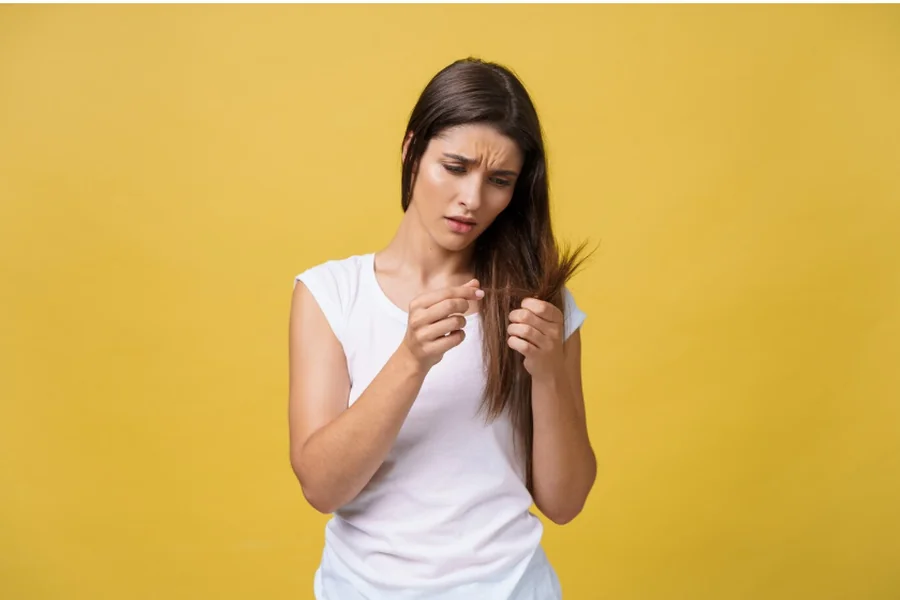
Stress has become an almost inevitable aspect of life in the fast-paced world of today. Workplace pressure, financial concerns, family obligations, or unforeseen life events can all cause stress, which can have a devastating effect on our mental and physical health. Stress affects hair health, which is one of the several health problems it causes, but is frequently disregarded. Long-term stress can cause bald patches, hair thinning, and shedding, which exacerbates the problem by creating anxiety. Fortunately, being aware of the link between stress and hair damage can enable people to adopt preventative measures and keep their hair stronger and healthier.
The Science of Hair Loss Caused by Stress
Stress sets off a complicated hormonal reaction in the body that helps it deal with imagined dangers. This reaction involves the release of cortisol, a stress hormone that can interfere with hair follicles’ regular activity if it is increased for extended periods of time. Trichotillomania, alopecia areata, and telogen effluvium are three prevalent forms of hair loss linked to stress. Excessive shedding is the result of telogen effluvium, which happens when more hair follicles than normal enter the resting period. Stress triggers the immune system to target hair follicles in alopecia areata, an autoimmune disorder. In contrast, trichotillomania is a compulsive impulse to pull out one’s hair that is frequently brought on by mental anguish or anxiety.
Lifestyle and Nutritional Interventions
Adopting a healthy lifestyle and eating a balanced diet are two of the best strategies to counteract the effects of stress on hair. For hair to develop and stay strong, it needs a balanced supply of vitamins and minerals. In order to promote hair growth and guard against damage, nutrients including biotin, zinc, iron, omega-3 fatty acids, and vitamin D are essential. You may strengthen your hair from the inside out by eating nutritious foods like eggs, almonds, leafy greens, and fatty fish. Additionally, by raising endorphins, which elevate mood and lower cortisol, regular exercise aids with stress management.
International Attention to Hair Health
Countries like the USA, UK, China, and Australia are leading the way in the global wellness trend that is making hair health a priority. Australian cities, for instance, are home to a wide range of clinics and treatment facilities that specialize in hair care and restoration, as more and more people seek professional guidance for hair-related difficulties. The quality of an appealing hair transplant in Sydney clinics, which are renowned for their cutting-edge methods and individualized treatment regimens, is one noteworthy example. Australians value preventative care almost as much as cosmetic surgeries, frequently resorting to holistic approaches that integrate medical care with stress-reduction techniques. This proactive strategy demonstrates a societal focus on general health, where maintaining healthy hair is regarded as a crucial component of self-care.
Effective Stress Management Strategies
Treating the hair alone won’t stop stress-related hair damage; you also need to address the underlying cause, which is stress. Engaging in mindfulness practices such as yoga, meditation, and deep breathing techniques can significantly reduce stress and foster serenity. Daily stress can be relieved by journaling, taking up a hobby, going outside, or even speaking with a therapist. Limiting screen time and avoiding social media can help many people manage digital distractions, which can also lower anxiety and enhance mental health in general.
Expert Assistance and When to Request It
Professional help is sometimes required, even though stress management and lifestyle modifications can be very beneficial. It could be time to see a dermatologist or trichologist if hair loss is abrupt, spotty, or accompanied by additional symptoms like redness or itching. These specialists can identify underlying diseases and recommend therapies, including PRP (platelet-rich plasma) therapy, laser therapy, and topical medicines. Furthermore, medical procedures like transplants may provide a long-term solution for people with severe or irreversible hair loss. In addition to offering specialized treatment plans that target the root cause and symptoms of hair loss, early diagnosis and action can stop more serious harm.
Although stress is an inevitable aspect of life, it doesn’t have to harm hair. People can safeguard their hair and encourage regeneration by identifying the warning signs of stress-induced hair problems and taking preventative action. Reversing the damage and restoring hair health can be accomplished with a mix of a nutrient-rich diet, practical stress-reduction strategies, and, when necessary, expert advice.