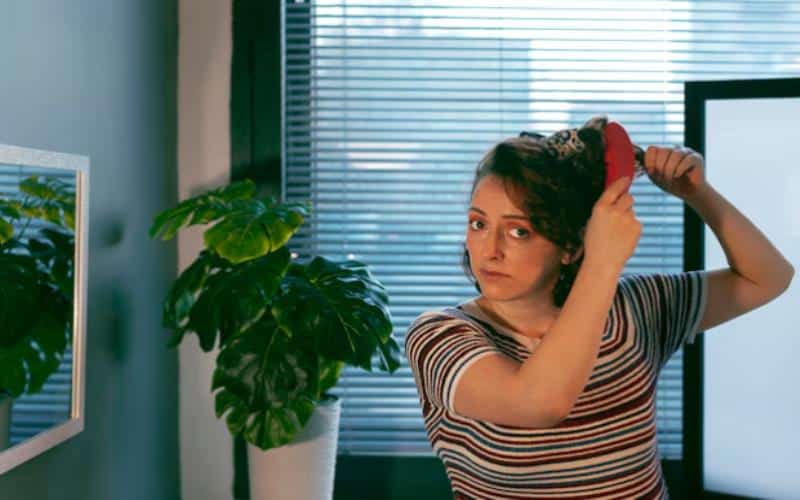
Alopecia Areata is an autoimmune condition that results in hair loss, often occurring in patches. It can affect individuals of any age and, in some cases, may lead to complete scalp or body hair loss. This condition can be emotionally challenging, but understanding treatment options and management strategies can help individuals regain their confidence and improve their quality of life.
Importance of Hair for Self-Confidence
Hair plays a significant role in shaping self-confidence. A well-groomed hairstyle enhances personal image, boosts mood, and improves social interactions, contributing to overall mental well-being and self-esteem. An alopecia areata treatment when hair loss occurs, it can cause distress, affecting social life, relationships, and self-perception.
Understanding Alopecia Areata
Definition and Causes
Alopecia Areata is an autoimmune disorder where the immune system mistakenly attacks hair follicles, leading to sudden hair loss. Genetic factors, stress, and environmental triggers may contribute to its onset. The exact cause remains unclear, but research suggests a combination of genetic predisposition and immune system dysfunction.
Symptoms
- Sudden patchy hair loss on the scalp or body
- Tingling or itching sensations in affected areas
- In some cases, complete loss of scalp or body hair (Alopecia Totalis or Universalis)
Different Types of Alopecia Areata
- Alopecia Areata (Patchy): Localized hair loss in small patches
- Alopecia Totalis: Complete hair loss on the scalp
- Alopecia Universalis: Complete hair loss on the scalp and body
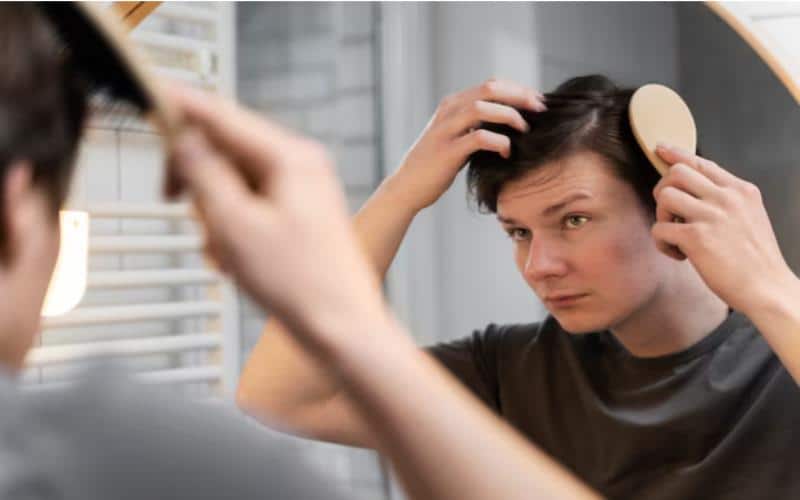
Impact of Alopecia Areata on Self-Image & Confidence
The Significance of Hair in Society
Hair is a symbol of identity, culture, and personal expression. It influences social perceptions, beauty standards, and self-esteem across diverse communities.
Effects on Self-Esteem and Confidence
Alopecia Areata can significantly impact an individual’s self-image, leading to emotional distress, social anxiety, and challenges in embracing one’s identity. Some individuals experience depression or withdrawal from social interactions due to their appearance changes.
Real-Life Experiences
Sharing personal experiences and success stories can help individuals cope with Alopecia Areata and find encouragement in their journey toward treatment and self-acceptance. Many people turn to online support groups and communities to share their experiences and gain emotional support.
Conventional Treatments for Alopecia Areata
Medications
- Topical Corticosteroids: Reduce inflammation and promote hair regrowth
- Minoxidil (Rogaine): Stimulates hair follicles to encourage regrowth
- Oral Immunosuppressants: Help control the autoimmune response and prevent further hair loss
Therapies
- Photochemotherapy (PUVA): Combines ultraviolet light with medications to encourage hair regrowth
- Intralesional Corticosteroid Injections: Directly target affected areas to reduce inflammation and promote hair regrowth
Surgical Procedures
- Hair Transplantation: Involves relocating hair follicles to balding areas; however, this may not be a suitable option for those with extensive hair loss
- Scalp Micropigmentation: A cosmetic solution that creates the illusion of fuller hair
Consultation with a healthcare provider is crucial before undergoing any treatment, as each approach may have different side effects and success rates.
Innovative & Promising Alopecia Areata Treatments
Latest Methods
- JAK Inhibitors: Medications that block immune system signals linked to hair loss. Recent clinical trials have shown promising results in reversing hair loss caused by Alopecia Areata.
- Platelet-rich plasma (PRP) Therapy: Uses the patient’s blood plasma, rich in growth factors, to stimulate hair follicles and promote regrowth.
Procedure & Success Rates
Pre-procedure evaluations and post-procedure care are essential for optimal results. Studies indicate promising success rates, particularly with JAK inhibitors and PRP therapy. However, results may vary from person to person.
Natural Therapies for Alopecia Areata
Role of Diet & Lifestyle
A balanced diet and healthy lifestyle can improve hair health. Nutrients like biotin, zinc, and omega-3 fatty acids support hair growth and overall scalp health.
Home Remedies & Over-the-Counter Products
- Essential oils (e.g., rosemary, peppermint): Known to stimulate blood circulation in the scalp and promote regrowth
- Natural supplements (e.g., saw palmetto, ginseng): May help in maintaining hair strength and reducing hair fall
- Caffeine-based shampoos: Stimulate scalp circulation, supporting hair follicle activity
Stress Management & Its Effect on Hair Health
Managing stress through meditation, exercise, and relaxation techniques can prevent further hair loss and promote regrowth. Chronic stress can trigger or worsen autoimmune conditions, including Alopecia Areata.
Psychological Counseling & Support
Importance of Mental Health Counseling
Counselling helps individuals cope with the emotional impact of hair loss and builds resilience. Many people with Alopecia Areata benefit from therapy or joining support groups that provide a sense of community and shared understanding.
Support Groups & Communities
Connecting with Alopecia Areata support groups can provide emotional support and shared experiences, easing the psychological effects of hair loss. Online forums, social media groups, and nonprofit organizations can be valuable resources for those seeking comfort and advice.
Important Tips to Prevent Alopecia Areata Flare-Ups
Preventive Measures
- Maintain a nutritious diet rich in vitamins and minerals essential for hair growth
- Engage in regular exercise to boost overall health and reduce stress
- Attend routine medical check-ups to monitor progress and receive early intervention
Managing Stress & Maintaining a Balanced Diet
Incorporate relaxation techniques and a well-rounded diet to minimize flare-ups and improve hair health. Practicing mindfulness, yoga, and engaging in hobbies can help reduce stress and improve mental well-being.
Conclusion
Alopecia Areata is a challenging condition, but various treatment options and coping strategies are available to help individuals manage hair loss effectively. From conventional medical treatments to innovative therapies and natural remedies, each approach offers different benefits. Seeking professional guidance, maintaining a healthy lifestyle, and connecting with supportive communities can significantly improve confidence and overall well-being. By staying informed and proactive, individuals with Alopecia Areata can regain control over their condition and lead fulfilling lives.