Walk into any wellness clinic these days and you’ll likely find both massage therapists and chiropractors working under the same roof. That’s not a coincidence. These two approaches to treating pain and tension actually complement each other quite well, but they work in different ways and are suited to different problems. If you’re trying to figure out which one you actually need, it helps to understand what each one does.
What a Massage Does
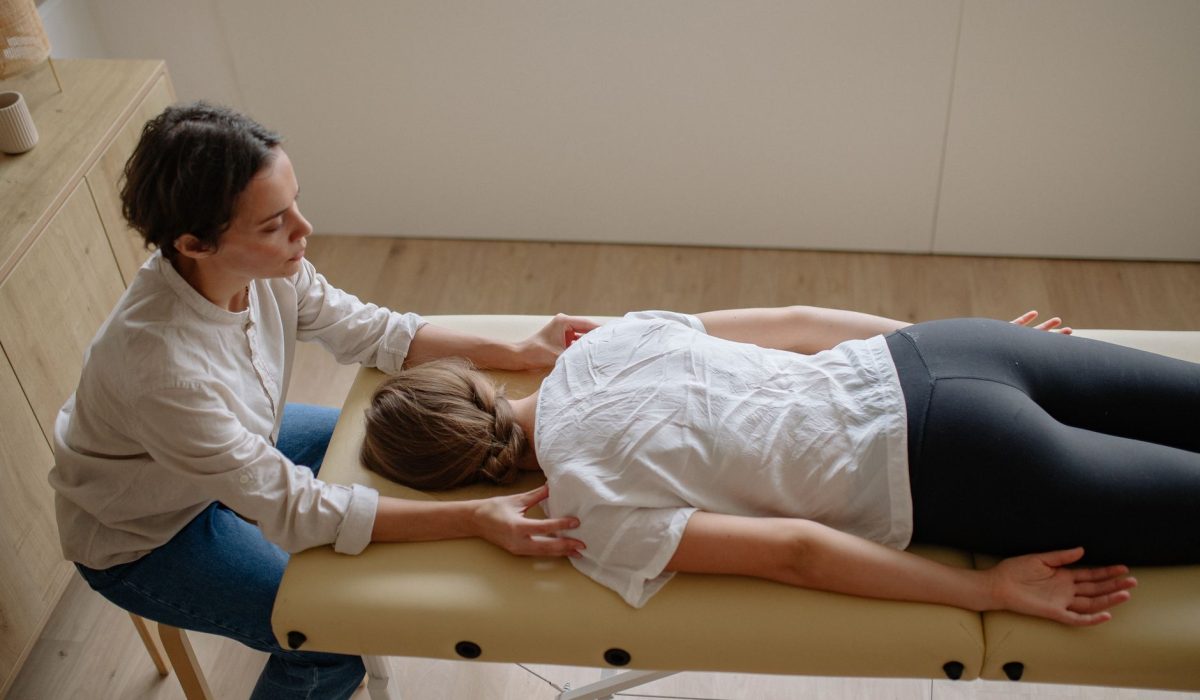
Massage therapy focuses on the soft tissue, meaning muscles, tendons, ligaments, and fascia. A trained massage therapist uses their hands to apply pressure, knead, and manipulate these tissues to release tension, improve blood flow, and reduce muscle tightness. It’s particularly effective for chronic muscle tension, stress related tightness in the shoulders and neck, recovery after exercise, and general relaxation.
There are different styles too. Remedial massage targets specific areas of dysfunction and is often used therapeutically, while relaxation massage is more about general wellbeing and stress reduction. Deep tissue massage goes further into the muscle layers and can be helpful for people with long standing knots or chronic tightness, though it can also be a bit uncomfortable during the session.
What a Chiropractic Adjustment Does
A chiropractic adjustment, sometimes called spinal manipulation, is a more targeted technique aimed at the joints of the spine (and sometimes other joints in the body). Using controlled force, a chiropractor moves a joint beyond its normal range of motion, which can produce the popping or cracking sound many people associate with chiropractic care. The goal is to restore proper movement and alignment to joints that have become restricted or misaligned.
This approach tends to be more suited to issues involving joint restriction, nerve irritation, and structural misalignment, rather than purely muscular tightness. According to the Mayo Clinic, chiropractic adjustment is commonly used for conditions like lower back pain, neck pain, and headaches that originate from the spine.
Which One Do You Actually Need?
- Muscle tightness, tension headaches, or stress related knots: massage is often the better starting point
- Joint stiffness, a feeling of being “locked up,” or pain that moves with certain movements: chiropractic adjustment may help more
- Chronic back or neck pain with both muscular and joint components: a combination of both is often recommended
- Recovery from an old injury: often benefits from a mix of soft tissue work and joint mobilisation
Why Many Clinics Offer Both
In practice, muscles and joints don’t work in isolation. Tight muscles can pull joints out of their normal position, and misaligned joints can cause surrounding muscles to tighten up as a protective response. That’s why a lot of practices, including a Hurstville chiropractic and massage clinic such as the Hurstville chiropractic and massage clinic, offer both services under one roof so patients can get a treatment plan that addresses the whole picture rather than just one piece of it.
If you’re not sure which approach is right for your situation, a good first step is simply describing your symptoms clearly during a consultation. Is the pain sharp and linked to movement, or is it a dull ache that feels like tightness? Does it feel like it’s coming from deep in the joint or more from the surface muscles? These details help a practitioner decide whether massage, adjustment, or a combination will give you the best result.
Neither approach is inherently better than the other. They simply target different structures in the body, and understanding that difference makes it a lot easier to choose the right path for your particular aches and pains.