Why Some Cats Hate Self-Cleaning Boxes (& How to Fix It)
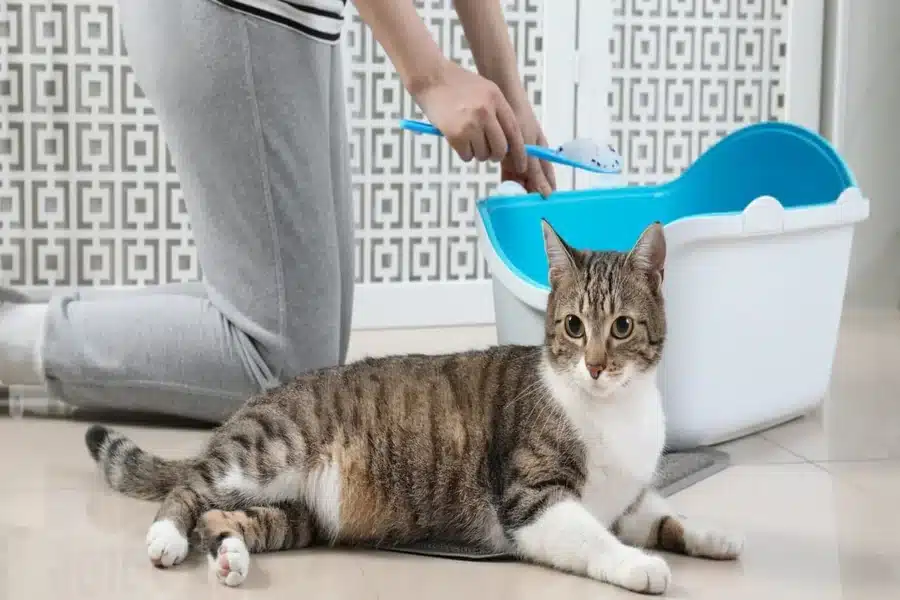
Self-cleaning litter boxes offer convenience for pet owners by reducing daily scooping and keeping odors under control. However, some cats refuse to use them due to noise, movement, or unfamiliarity—leading to frustrating litter box avoidance. If your cat is hesitant about an automatic box, don’t worry! Understanding their concerns and making simple adjustments can help ease the transition. In this guide, we’ll explore why some cats dislike self-cleaning litter boxes and provide practical solutions to help your feline friend feel comfortable using one.
Why Do Some Cats Dislike Self-Cleaning Litter Boxes?
Self-cleaning litter boxes may seem like a dream for pet owners, but some cats outright reject them. The reasons often come down to instinct and sensory sensitivity:
- Noise Sensitivity: The sudden hum or mechanical sounds of an automatic box can startle cats, especially skittish ones. What seems quiet to us may sound like a predator to them.
- Movement Fear: The raking mechanism or spinning motion can trigger a cat’s survival instincts, making them view the box as a potential threat rather than a safe bathroom spot.
- Unfamiliar Smells: Many self-cleaning boxes use scented liners, deodorizers, or cleaning solutions. Cats rely heavily on scent, and artificial fragrances may make the box feel “wrong” to them.
- Size & Entry Issues: Some models have high walls, small entryways, or cramped interiors, making larger or older cats feel trapped or uncomfortable while doing their business.
- Negative Past Experiences: If a cat was startled by an automatic box before (e.g., it activated while they were inside), they may associate it with danger and avoid it altogether.
Understanding these issues is the first step in helping your cat adjust—or choosing a better-suited box.
How to Help Your Cat Adjust to a Self-Cleaning Litter Box
Transitioning your cat to a self-cleaning litter box requires patience and strategy. Here’s how to make the process stress-free for both of you:
1. Gradual Introduction
Start with the box unplugged and turned off so your cat can inspect it without fear. Place it near their old litter box, allowing them to get used to its presence. After a few days, turn on the cleaning function in short intervals while supervising, gradually increasing the duration as your cat grows comfortable.
2. Choose a Quiet Model
Some cats are more sensitive to noise than others. Opt for ultra-quiet self-cleaning litter boxes (like Meowant’s top-rated models) with minimal motor sounds to prevent startling your pet.
3. Opt for an Open Design
Enclosed or cramped boxes can make cats feel trapped. Select a low-entry, spacious model with easy access, especially for senior cats or those with mobility issues.
4. Use Familiar Litter
Cats are creatures of habit—avoid switching litters abruptly. Fill the new box with the same litter they’re used to, and if you must transition, mix in the new type gradually.
5. Positive Reinforcement
Reward your cat with treats or praise every time they use the new box. This creates a positive association, encouraging repeat behavior.
6. Keep It Clean (But Not Too Clean)
While self-cleaning boxes maintain freshness, some cats prefer a slightly used box because their scent provides comfort. If your cat avoids it, try delaying the cleaning cycle or manually triggering it only after they’ve left.
By following these steps, most cats will adapt within a few weeks. If resistance continues, consider a hybrid approach—keeping a traditional box as backup while slowly phasing in the automatic one.
Alternative Solutions If Your Cat Still Refuses
If your cat continues to reject their self-cleaning litter box, don’t force it—try these alternatives instead:
Hybrid Approach
Keep both a traditional litter box and the self-cleaning one side by side. Let your cat choose while gradually reducing the manual box’s use over time.
Traditional Box with a Mat
Some cats simply prefer basic setups. Use a high-sided traditional box with a litter-trapping mat to minimize mess without the stress of automation.
Upgrade to a Cat-Friendly Model
If the issue is comfort, switch to a larger, quieter self-cleaning box with:
- Low-noise operation
- Spacious interior
- Step-in entry (no lid)
Behavioral Consultation
If avoidance persists, consult a vet or feline behaviorist—it might signal stress or health issues.
Sometimes, the best solution is compromise. Observe your cat’s preferences and adjust accordingly.
Conclusion
Transitioning your cat to a self-cleaning litter box requires patience and experimentation. Every feline has unique preferences, so don’t get discouraged if the first attempt fails. Try different approaches—whether it’s a quieter model, gradual introduction, or a hybrid setup. With time and the right adjustments, even the most skeptical cats can learn to accept (and even appreciate!) an automatic litter box. Remember, the goal is a stress-free solution for both you and your pet.
Ready to find the perfect fit? Explore Meowant’s self-cleaning litter boxes today.