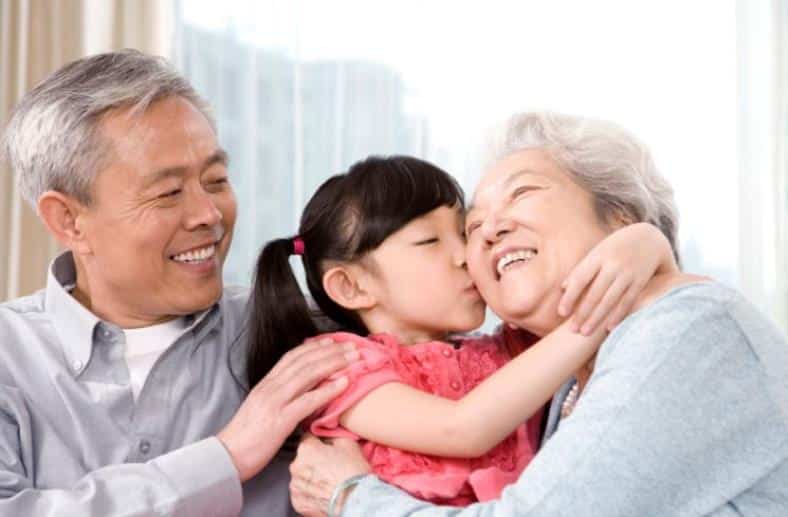
In contemporary society, the importance of treating elderly individuals with respect is a topic that warrants attention and action. Not only is this a matter of basic human dignity, but research also shows that there are numerous benefits to both the elderly and society as a whole when seniors are treated with the esteem and consideration they deserve.
Wisdom and Experience: Insights from the Aged
A key reason to respect the elderly is the wealth of experience and wisdom they bring. Studies have consistently shown that older individuals, having lived through diverse experiences, offer invaluable insights and perspectives that benefit the younger generation. For example, a survey conducted by Choice Senior Life revealed that 90% of respondents felt they had learned valuable life lessons from conversations with seniors.
Moreover, respecting the elderly has a direct impact on their health and wellbeing. Research published in the ‘Journal of Psychology’ indicates that seniors who feel respected and valued tend to have better mental health, with lower rates of depression and anxiety. This is not surprising, considering the psychological need for dignity and respect is universal. My Guide For Seniors, in their comprehensive survey, found that seniors who reported feeling respected also reported higher levels of life satisfaction and physical health.
Additionally, treating the elderly with respect can lead to stronger intergenerational bonds. This is crucial for a cohesive society, as it fosters mutual understanding and support between different age groups. A study by the American Psychological Association observed that communities with strong intergenerational interactions have lower crime rates and higher overall community health.
Economic Contributions: The Underrated Value of Senior Activity
The economic aspect is also noteworthy. Respected and active seniors contribute significantly to the economy. According to the National Council on Aging, seniors who remain active in the workforce or in volunteer roles contribute billions of dollars to the economy annually, both in direct financial terms and through the invaluable service they provide to their communities.
However, despite these clear benefits, ageism remains a significant issue. The World Health Organization reports that 1 in 6 seniors experience some form of elder abuse, often stemming from a lack of respect and understanding. This highlights the urgent need for societal change in the way we view and treat our older population.
The Role of Education and Awareness
Education and awareness are key in this regard. Initiatives by organizations such as Choice Senior Life and My Guide For Seniors play a pivotal role in disseminating information and changing public perceptions about aging. Their surveys and reports provide critical data that inform policies and practices aimed at improving the lives of the elderly.
Conclusion
In conclusion, respecting the elderly is not only a moral imperative but also brings numerous benefits to individuals and society as a whole. The wisdom, experience, and contributions of seniors are invaluable assets that should be acknowledged and appreciated. It is through mutual respect and understanding that we can build a more cohesive, healthier, and economically robust society. As such, it is essential that efforts are made at all levels, from individual attitudes to policy making, to ensure that seniors are treated with the respect and dignity they rightfully deserve.