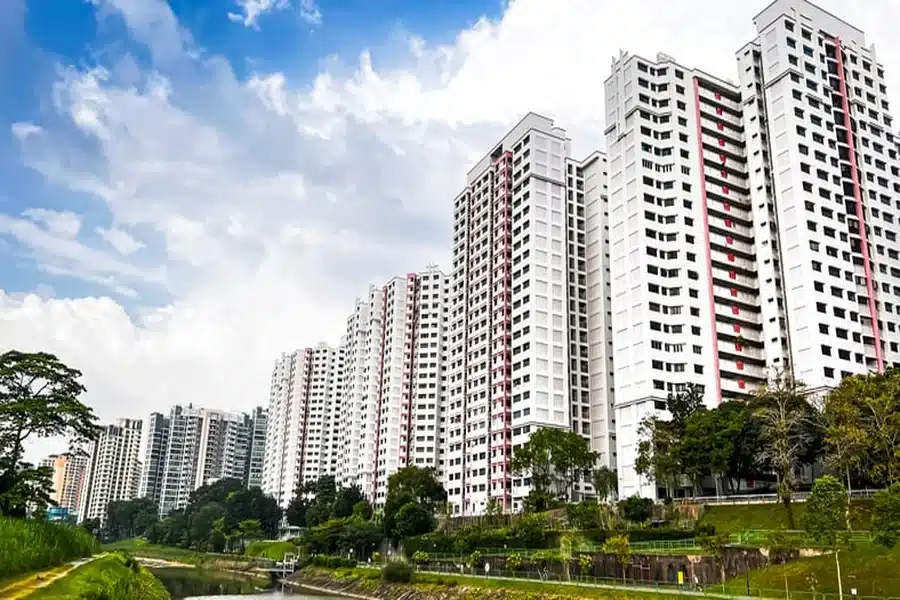
Singapore rewards attention. You notice temples beside glass towers and gardens tucked into busy streets. Markets hum next to air-conditioned malls. The mix is characteristic here, not stage-managed theatre.
Walk a few blocks and you cross decades without realising it. One street pulls you into a temple courtyard, the next leads you to towers of glass. The city only opens up if you let it, showing itself slowly, neighbourhood by neighbourhood.
Where to Stay
Your base sets the pace of each day. If you want comfort tied to history, choose luxury hotels Singapore. On Carpenter Street stands a boutique property inside a building that began as a remittance house in 1936. Clerks once typed forms so workers could send wages home. WOHA Architects restored the structure and added a contemporary wing that respects the original shophouses.
There are forty-eight rooms with warm textures of wood and stone. A rooftop infinity pool looks across the skyline. In-room dining is available when you prefer a quiet night in. The location is between Chinatown and Clarke Quay, so you can slip from heritage streets to the river in minutes.
Must-See Attractions
The bay gathers many landmarks. Marina Bay Sands gives you a sweeping view of the city. The platform stretches above the towers and frames the harbour in daylight and neon. Nearby, Gardens by the Bay feels otherworldly. Supertrees glow after sunset, and two vast conservatories protect forests and flowers from far beyond the tropics.
Sentosa Island offers beaches, aquariums, rides, and long views over water. You choose a full activity day or a lazy afternoon by the sea. The range makes planning flexible and
straightforward.
Heritage Districts
Modern silhouettes tell only part of the story. In Chinatown, stalls spill into lanes lined with shophouses and temples. Elderly residents still shop at long-standing stores and greet stallholders by name. Little India surrounds you with colour, bells, and spice carried on the warm air.
Kampong Glam centres on the Sultan Mosque’s golden dome. Side streets hold cafés, murals, tailors, and small boutiques. These places are lived in, not arranged for photographs. People pray, trade, and chat on doorsteps. Walking shows you how culture shapes daily life rather than sitting in a museum case.
Food Experiences
Food explains Singapore better than any guidebook. Hawker centres are where you feel it most. You sit beside families, students, and office workers at shared tables. Chicken rice, laksa, and satay carry Chinese, Malay, Indian, and Peranakan roots. Queues move fast and portions suit exploring without slowing your day. If you prefer guidance, follow a food trail. One evening might bring chilli crab near the waterfront.
The next morning could be kaya toast with kopi in a tiled café that keeps old habits alive. Each meal adds another layer to the story.
Green Escapes
The city keeps space for quiet. The Botanic Gardens, a UNESCO World Heritage site, offers shaded paths and open lawns. The orchid collection spans countless varieties and rewards slow wandering. MacRitchie Reservoir feels wilder by design. Forest trails lead to a suspended walkway above the canopy. You may spot macaques and kingfishers if you move carefully and keep food sealed. Canoes slip across still water in near silence. These places prove that nature was planned into the city, not added later as decoration.
Shopping and Nightlife
Shopping often begins on Orchard Road. Malls line the boulevard with global labels and local designers sharing floors. You can browse for an hour or let the afternoon disappear. When evening comes, Clarke Quay changes the tempo. The river reflects neon, and conversation carries along the walkways. Choose dinner by the water or find a quieter corner nearby. The area suits both lively nights and leisurely strolls, which helps when plans change with the weather. After exploring Orchard Road, travelers often browse an online bags store Singapore for stylish, practical accessories suited to city sightseeing.
The Neo-Bistro on Carpenter Street
Inside the hotel sits KEE’s. The neo-bistro and bar is owned by Andrew Walsh, known for the Michelin-starred restaurant Cure. European bistro favourites meet Southeast Asian ideas in straightforward, flavour-driven dishes. One visit might bring rigatoni alla vodka with a hint of chilli. Another might be seafood laksa, rich and aromatic, or a ribeye with frites cooked the classic way. After dark, cocktails and music curated by a veteran Singaporean DJ give the room energy. Art Deco details nod to the building’s past without turning the space into a museum. The dining room feels current, relaxed, and rooted in the street outside.
Planning Your Days
Start early, and the city moves with you. Morning light warms shophouse façades, and soft shadows suit photographs. Midday heat invites museums, galleries, or long lunches under a fan. Late afternoon works for gardens and river walks when the air eases. After sunset, the skyline turns into a field of reflections. If you like structure, plan the day by districts. Breakfast in Chinatown and a quiet temple visit. Midday at the bay for the towers and the domes. An island afternoon for water and sand. Return to the river for dinner and a leisurely stroll before bed.
Practical Notes
The city is compact and reliable for transport. The MRT links the bay, museums, and historic quarters in minutes. Walking fills the gaps between stations and reveals small details that guidebooks miss. Many hawker stalls now accept cards and mobile payments, though cash still helps at smaller places. Dress for humidity and carry water through the day. Most indoor spaces are cool, so a light layer is functional when you step inside. Respect signs at religious sites and dress modestly in prayer halls. Bin litter and avoid eating on trains; fines are enforced.
Conclusion
Singapore does not rely on one attraction. It leaves an impression through links between moments rather than a single headline sight. You might swim above rooftops in late afternoon and eat at a plastic-topped table after dark. You might stand beneath Supertrees one evening and cross a forest bridge the next day. The following morning, you might trace the river’s curve and hear temple bells. Each experience finds its place, and together they form a map that is personal to you. When you leave, the memory is not a single image but a set of scenes that continue to unfold.