What Remodeling Electricians Do During a Home Remodel
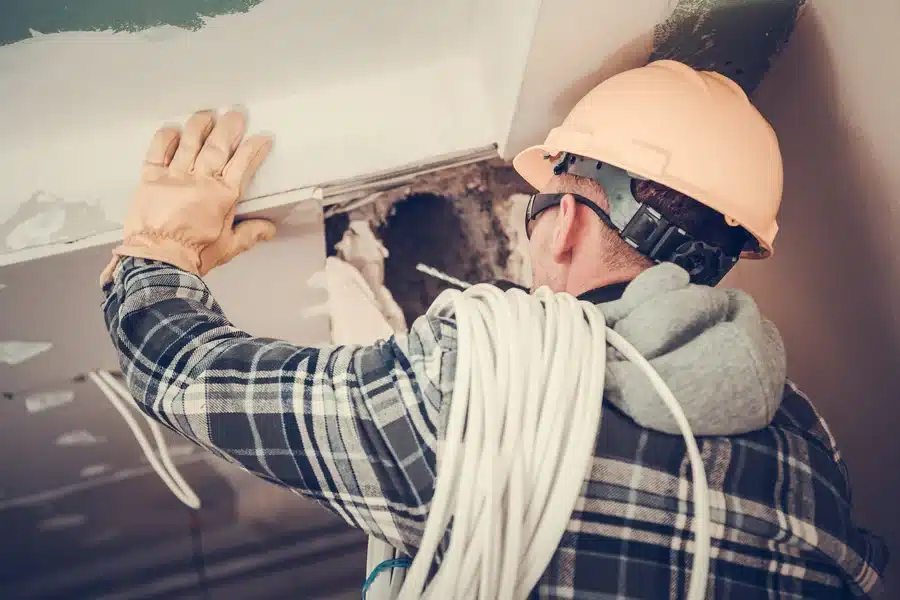
Let’s say you just bought an older home and are planning to do a full home remodeling so you can move in and enjoy your fresh and safe home. To get started, the first and most important step would be to make sure the electrical system is safe, efficient and upgraded to the modern standards. Older homes have older systems that are not suited for modern technologies used nowadays like appliances, coffee machines, etc. That’s when you will need to hire a remodeling electrician.
Compared to new construction electricians, remodeling electricians specialize primarily on reconfiguring electrical systems in older homes. This type of specialists is more needed in older cities like Naperville, IL, where there is a huge number of old homes build with old electrical systems. So, if you need an electrician to come out and inspect your home, there’s a process you should follow:
1. Initial Consultation and Walkthrough
The process starts with an on-site visit. The electricians you decide to hire will meet with you to discuss your remodeling plan. If this is a new home and you do a full home remodeling, they have to know that. They should also know what new appliances you are planning to use, lightning, or if you need more outlets.
During this visit they will review your renovation drawings to find your existing panels and wiring. They’ll look for visible issues like outdated outlets, old fixtures, ungrounded receptacles, and more. They will talk to you about energy demands and modes code requirements. This step will give them a good idea about what is the whole situation with your home, what upgrades are necessary to keep your home safe.
2. Electrical Inspection and System Evaluation
Next is the dedicated inspection of your existing electrical system. Your electricians will evaluate several things:
- Main service panel – Here they check the condition, size, and average of your current panel to see if it can handle modern electrical loads. An outdated panel will lead to power surges, tripping breakers, flickering lights and in some cases unexpected power outages.
- Branch circuits and wiring – if you home is old enough, the wiring is probably knob-and-tube, aluminum, or cloth-insulated, and if this is the case then all this will need to be replaced.
- Outlets, switches, and fixtures – Each will be checked for grounding, wear, and safety.
- GFCI and AFCI protection – Modern codes require these protective devices in certain areas (bathrooms, kitchens, bedrooms, etc.).
- Load balancing and breaker condition – The electrician will assess whether circuits are properly distributed or overloaded.
They usually check all this with diagnostic tools like voltage testers, thermal cameras, and circuit tracers to pinpoint issues behind walls or ceilings.
3. Planning the Remodel Electrical Work
When the inspection is done, the electricians will prepare a remodel plan that will include details like if the panel needs to be upgraded or replaces, they will include if they need to rewire the house or to add new circuits, outlets or switches that you want to relocate. If they need to installing lightning circuits, recessed fixtures, or ceiling fans. All this will be in the plan they will prepare, to make sure al wiring meets the current National Electrical Code (NEC) standards.
4. Rough-In Electrical Work
The rough-in phase starts when the walls are open and famine is exposed. At this point the electricians are running new wires and conduits, they also install electrical boxes, switches, outlets, and fixtures. Here they prepare circuits for new appliances or dedicated equipment. According to Naperville’s local electricians at Cob Services, at this stage you might be required to get a local inspection by your building department to make sure all work complies with code before walls are closed back up.
5. Trim-Out and Final Connections
After the rough-in electrical work is done, your painters, the drywall team will do their job and when all this is done, the electricians will return for the trim-out phase. At this point they will install your outlets, swathes, cover plates, and fixtures. They will connect your appliances and other electronics you might have, and will test the circuits, breakers, and grounding to make sure everything works as it should. A final inspection will be performed again to make sure everything is safe and will provide you with documentation or a final report for your remodel file.
6. Safety Testing and Homeowner Orientation
Before the job is done, your electricians will so a final load test and will label the breakers. Here’s when you can ask question if you have any because this is the step when they will walk you through the systems they installed and will explain you any upgraded features to make sure you understand your new setup.
Final Thoughts
As you probably figured, remodeling electricians are extremely important when you plan a remodeling job of an old house. In general, any house needs an electrician inspection before major remodels. You have to make sure your systems are safe and ready for the new appliances you were dreaming about, or any electronics you’ll want to install.