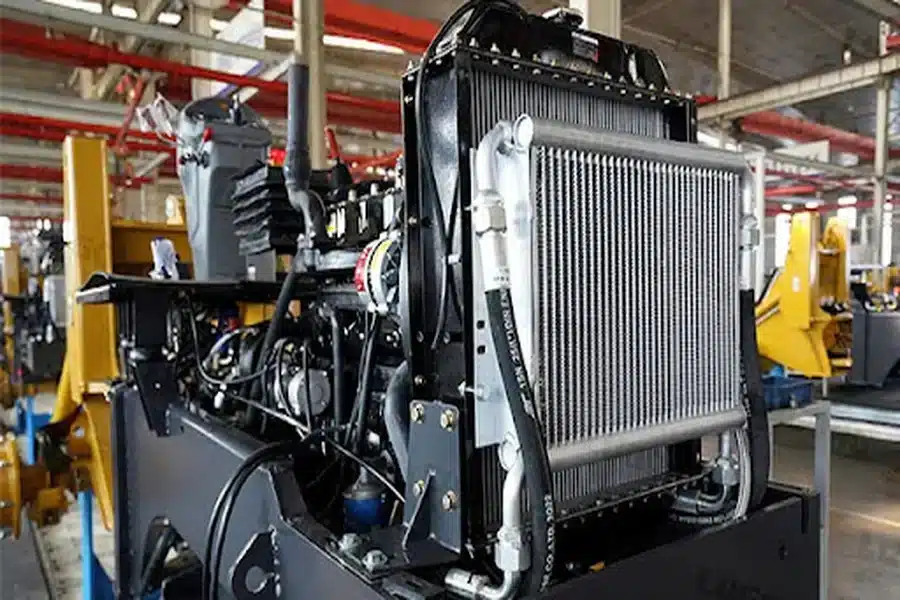
Have you ever wondered how your tractor stays cool while working on a hot day? It’s all thanks to the engine radiator — the unsung hero of the cooling system. The radiator is not just a simple component under the hood; it is the heart of the entire cooling system, maintaining the long life of the equipment by removing heat from the engine.
Knowing what an engine radiator does and why it’s so critical, especially for a heavy machinery radiator, is the first step in preventing costly downtime and catastrophic engine failure. This article will help you recognize how the radiator works and why it’s so important so that you can have a deeper understanding of this key part.
The Main Function of The Engine Radiator
At its core, the function of an engine radiator is simple: it gets rid of heat. It acts as a radiator heat exchanger, a device designed to transfer thermal energy from one medium to another. In this case, it moves heat from the hot liquid coolant coming from the engine into the cooler air blowing past the radiator.
Think of it like the air conditioning system for your engine. While you’re working, the combustion process inside your diesel engine radiator system generates temperatures hot enough to melt metal. The radiator’s job is to manage that heat continuously, keeping the engine temperature at a safe and efficient level. If it fails, you get overheating in heavy equipment, which is one of the fastest ways to destroy an engine.
How the Engine Radiator Works: A Step-by-Step Guide
The engine radiator doesn’t work alone; it’s the star player in the industrial engine cooling team. Here’s how the process works, step by step:
- Hot Coolant Leaves the Engine: As the engine runs, a special fluid called coolant (or antifreeze) is pumped through passages in the engine block. This coolant absorbs the intense heat from the combustion process.
- Coolant Enters the Radiator: The water pump sends this superheated coolant into the radiator through an inlet hose. The coolant then flows into the radiator core, which is made up of many small tubes.
- Airflow Does the Cooling: This is where the magic happens. As the hot coolant flows through the tubes, thin metal fins attached to the tubes pull the heat out. A large fan, either driven by the engine or an electric motor, pulls a massive amount of outside air through the fins. This airflow carries the heat away from the radiator and into the atmosphere.
- Cooled Coolant Returns to the Engine: After traveling through the radiator core, the now much cooler coolant exits the radiator through an outlet hose and is sent back to the engine to start the cycle all over again. This continuous loop happens thousands of times to keep the engine from overheating.
The Key Players in the Cooling System
Your radiator doesn’t work alone—it relies on several key parts to keep your engine cool.
The engine radiator is the main heat exchanger. If it fails, the system can’t remove heat, leading to engine damage.
The water pump circulates coolant through the system. Without it, the engine would overheat quickly.
The thermostat controls when coolant flows to the radiator, helping the engine warm up and stay at the right temperature.
Radiator hoses carry coolant between the engine and the radiator. A cracked or burst hose can cause coolant loss and overheating.
The coolant absorbs heat and resists freezing and corrosion. It’s the lifeblood of the system.
The radiator fan pulls air through the radiator, especially when the equipment isn’t moving fast.
Each part plays a vital role—when one fails, the whole system is at risk.
Why Is This So Important for the Tractor?
The cooling system in a passenger car has a relatively easy job compared to one in heavy equipment. An excavator radiator or a dozer radiator faces unique and extreme challenges:
- Massive Engine Loads: The powerful diesel engines in heavy machinery are almost always under a heavy load. This generates far more heat than a typical car engine.
- Low Airflow Conditions: Unlike a car on a highway, heavy equipment often operates at very low speeds or sits completely still while doing its work (like an excavator digging a trench). This means there is very little natural airflow, making the machine almost entirely dependent on its radiator fan to cool the system.
- Harsh, Dirty Environments: Off-road job sites are filled with dust, mud, grass, and other debris. This material gets sucked into the radiator fins, clogging them up and acting like a blanket. A clogged radiator cannot dissipate heat, which is a leading cause of overheating in heavy equipment.
We’ve seen brand-new machines start to overheat for one simple reason: the radiator was completely packed with dirt. The operator didn’t realize that a ten-minute cleaning with compressed air could have saved them from a day of downtime. For a heavy machinery radiator, cleanliness is just as important as function.
Conclusion
What does an engine radiator do? It protects your engine from overheating by efficiently removing excess heat. Without it, your equipment wouldn’t last long under heavy use. Understanding its role helps you maintain your machine and spot early signs of trouble.
When it’s time for a replacement, choose a part you can rely on. FridayParts offers high-quality radiators for all major brands—affordable, dependable, and built to last. Keep your engine protected and your machine working strong.