Are pesky leg cramps disrupting your d ily routine? Whether you’re a fitness enthusiast, an active individual, or just trying to get through the day without calf muscles seizing up, understanding the causes and solutions for leg cramps is crucial. This blog post will examine the common triggers behind these painful muscle spasms and explore practical ways to alleviate them. So, grab a seat (without worrying about your legs locking up!), and the article will unravel the mystery of leg cramps.
The Role of Magnesium
So, how does magnesium help alleviate leg cramps?
Magnesium for cramps works by assisting in the relaxation of muscles after they contract. It also helps maintain proper electrolyte balance within the cells, which is crucial for preventing cramps. You may have heard that magnesium plays a vital role in muscle function, and indeed, it does! Magnesium is necessary in regulating muscle contractions and nerve impulses. When your body is low on magnesium, it can lead to increased muscle cramping and spasms. Incorporating magnesium-rich foods like nuts, seeds, leafy greens, and whole grains into your diet can help meet your daily requirements.
Supplementation may benefit those struggling to get enough magnesium through their diet alone. Remember—magnesium could be your secret weapon for combating leg cramps!
Common triggers and underlying conditions
When it comes to leg cramps, a variety of factors can trigger these unwelcome muscle spasms. Dehydration is a common culprit, especially if you need to drink more water throughout the day. Electrolyte imbalances, like low levels of potassium or magnesium in your body, can also contribute to cramping. In such cases, magnesium for cramps works towards lowering the occurrence.
Physical overexertion or muscle fatigue from intense workouts or prolonged standing periods can stress muscles, increasing the likelihood of cramps. Certain diseases, like peripheral artery disease (PAD) or diabetes, may also contribute to frequent leg cramps.
Poor circulation and nerve issues can lead to muscle contractions and leg discomfort. Identifying these triggers and underlying conditions is critical to effectively managing and preventing leg cramps from disrupting your daily life.
Identifying the signs and symptoms
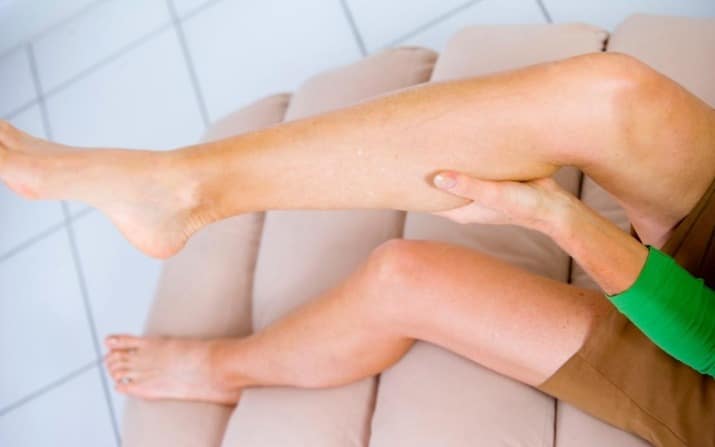
Paying attention to your body’s signals is critical to identifying the signs and symptoms of leg cramps. Cramps typically manifest as sudden, intense pain in the muscles, often causing tightness or a visible knot under the skin.
In addition to the physical discomfort, you may also experience muscle twitching or spasms before a cramp sets in. Some individuals report stiffness in the affected area, leading to a cramping episode.
It’s important to note that leg cramps can occur during rest or physical activity, catching you off guard with their sharp and unexpected onset. It might be worth monitoring your hydration levels and nutrient intake if you notice frequent cramping episodes, especially at night.
Keep an eye out for any patterns or triggers contributing to your leg cramps so you can take proactive steps towards finding relief.
Steps to reduce the occurrence of leg cramps
One effective way to reduce the occurrence of leg cramps is to stay hydrated throughout the day. Dehydration can lead to muscle cramping, so drinking water daily is crucial.
Another critical measure is stretching regularly, especially before and after physical activity. Stretching helps improve flexibility and muscle circulation, reducing the likelihood of experiencing cramps.
A good potassium, calcium, and magnesium diet is critical for muscle health. Including foods like bananas, leafy greens, nuts, and seeds can help prevent imbalances that may trigger leg cramps.
Ensuring proper footwear during exercise or daily activities also plays a role in preventing cramping. Supportive shoes that fit well can help alleviate muscle strain and lower the risk of developing cramps.
Practising good sleep hygiene, like maintaining a sleep schedule and having a comfortable sleeping environment, can also help reduce the occurrence of leg cramps.
Incorporating exercise into your routine strengthens muscles and enhances blood flow, which can help prevent leg cramps. Finding activities you enjoy will make staying consistent with your fitness regimen easier.
Various Treatment Options and Their Effectiveness
In exploring various treatment options for leg cramps and their effectiveness, it is clear that a holistic approach is often the most beneficial. From ensuring adequate magnesium intake to staying hydrated and stretching regularly, there are many practical steps to lowering leg cramps. Seeking medical advice if cramps persist or are accompanied by concerning symptoms is crucial in identifying any underlying conditions contributing to the issue. By addressing lifestyle factors and potential medical causes, individuals can effectively manage and alleviate leg cramps for improved overall well-being.
Incorporating a balanced diet rich in magnesium, staying hydrated, stretching regularly, and avoiding overexertion are all effective ways to reduce the occurrence of leg cramps. However, if you experience cramping, various treatment options can relieve you. These include massaging the affected muscle, applying heat or ice packs, taking over-the-counter pain medications like ibuprofen or acetaminophen, and using topical creams or ointments.
For more severe cases of leg cramps or chronic issues, it’s advisable to consult with a healthcare professional for further evaluation and management. Physical therapy may be taken to address underlying muscle imbalances or weaknesses contributing to cramping episodes. Sometimes, prescription medications or injections may be necessary to alleviate symptoms.
By understanding the triggers and underlying conditions contributing to these painful episodes and implementing proactive measures to address them, you can significantly reduce their frequency and intensity. To avoid leg cramps, prioritise self-care practices such as adequate nutrition, hydration, stretching exercises, and rest.
With a holistic approach that addresses both lifestyle factors and medical interventions as needed, you can effectively manage leg cramps and enjoy improved mobility and comfort in your daily activities. Stay proactive in caring for your leg muscles and overall health – your legs will thank you!
Content Quality Form
Content Proof checked by: Tiyas Golder
Relevancy:
- Related to the client’s products or services (Yes)
- No Review type content (Yes)
- Relevant to the target link included in the article (Yes)
Topic:
- Topic should be editorial and related to the brand’s product or service (Yes)
- Content should not be overly promotional about the brand’s product or service (Yes)
- Quality (Yes)
- Written in US English (Yes)
- No grammar, spelling errors, run on sentences, etc. (Yes)
- Minimum 500 words (Yes)
- Tense, POV maintained across the content (Yes)
Links:
- Link is geo-focused; content should be related to that geo. Ex: if the link is about a specific location, the content should also be related to that location (Yes)
- Link is not out of place with the content (Yes)
- Link should appear as early in the content as possible (Yes)
- Only include the 1 brand link provided (i.e. do not add additional links to the client’s other pages or homepage unless specified) (Yes)
Anchor Text:
- Matches exactly with what is provided (pay attention to intentional misspellings and upper/lowercase) (Yes)
- Flows naturally into the sentence and not be awkwardly stuffed in other links (Yes)
- Included at least 1 outbound relevant link to non-competitor sites (Yes)
- Included at least 1 internal relevant link within the shortlisted site (Yes)
- Anchor text is relevant to the page it’s linking to (Yes)
Disclosure
- Not written as if the client wrote it, do not use terms like “we” and “us” (Yes)
- Relevant Image included (No)