Arteriovenous malformation (AVM) rupture is a serious medical condition that requires attention and understanding. By learning about its causes, symptoms, and advanced treatment options, individuals can be better prepared to respond swiftly and effectively in the event of an AVM rupture. Knowledge empowers both patients and caregivers to take informed steps that can improve outcomes and enhance recovery prospects.
What is an AVM Rupture?
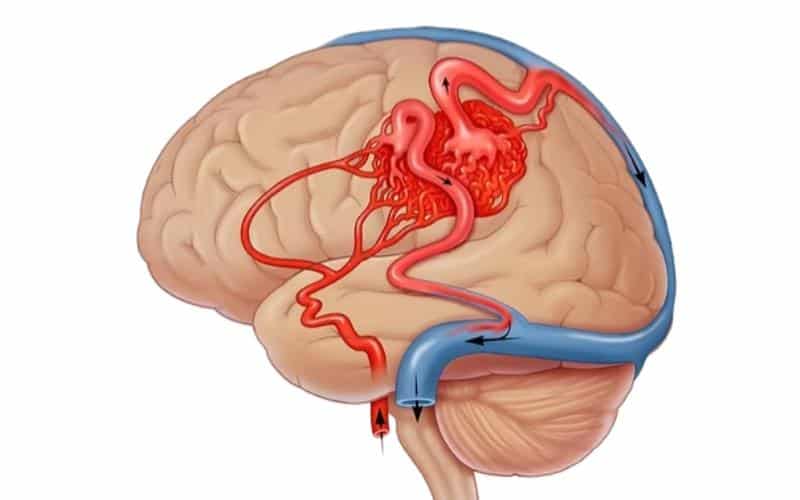
An AVM rupture occurs when an arteriovenous malformation, a complex tangle of abnormal blood vessels connecting arteries and veins, bursts open. This rupture can cause significant bleeding in the brain or spinal cord, often resulting in life-threatening complications such as stroke, neurological deficits, or even death. Unlike common aneurysms, AVMs involve a direct connection between arteries and veins, bypassing capillaries. The intense pressure on these fragile blood vessels significantly increases the risk of an AVM rupture, making it a serious medical emergency.
Causes of AVM Rupture
The causes of an AVM rupture are often linked to the structural weaknesses within the tangled blood vessels. Factors such as increased blood flow can weaken thin vessel walls, making them prone to rupture. Structural abnormalities in AVM formations further increase the risk of breakage. Genetic factors may also play a role; although AVMs are not strictly hereditary, conditions such as hereditary hemorrhagic telangiectasia (HHT) may increase susceptibility. Environmental triggers such as sudden spikes in blood pressure, head trauma, or extreme physical exertion can sometimes precipitate a rupture. Understanding these risk factors can aid in identifying vulnerable individuals and implementing preventive strategies to reduce the likelihood of an AVM rupture.
Symptoms of AVM Rupture
Recognising the signs of an AVM rupture is vital for prompt medical intervention. Symptoms can vary widely based on the location and severity of the bleed. Severe headaches, often described as a “thunderclap” headache, may indicate a brain haemorrhage. Seizures can develop due to increased pressure or irritation in the brain. Vision problems such as blurred or double vision may arise if the rupture affects visual processing centres. Confusion, disorientation, or memory loss may signal cognitive disturbances. Weakness or numbness, especially sudden and localised in the face, arms, or legs, may indicate a neurological deficit linked to the rupture. If any of these symptoms present themselves, seeking immediate medical attention is essential to minimise damage and improve recovery chances.
Advanced Treatment Options for AVM Rupture
Effective treatment for AVM rupture involves a combination of surgical and non-surgical methods tailored to the individual patient. Surgical intervention may include a craniotomy, which involves opening the skull to remove the AVM directly. This method is ideal for accessible AVMs and offers immediate resolution of the bleeding. Endovascular embolisation is a minimally invasive procedure where a catheter is guided into the affected blood vessels and a special substance is injected to block the AVM, reducing blood flow and stabilising the rupture. Radiosurgery is another option, particularly for smaller, deeper AVMs. This targeted radiation therapy aims to gradually shrink the abnormal blood vessels and minimise future rupture risks.
Non-surgical treatments can also play a key role in managing the condition. Medications may be used to provide pain relief, control seizures, and regulate blood pressure to prevent further complications. Rehabilitation therapy is often necessary for patients recovering from neurological damage caused by AVM rupture. This may include physical, occupational, and speech therapies to restore function and improve quality of life.

Life After AVM Rupture Treatment
Recovery from an AVM rupture can be physically and emotionally demanding. Rehabilitation focuses on improving mobility, cognitive function, and emotional well-being. Ongoing monitoring through regular imaging and follow-up appointments is crucial to track healing and detect potential complications. Adopting a heart-healthy diet, maintaining regular exercise, and avoiding smoking or excessive alcohol consumption can support overall well-being and minimise future risks. Emotional support is equally important, and individuals may require counselling, support groups, or psychiatric care to manage stress, anxiety, or depression during the recovery process.
Conclusion
Understanding AVM rupture—its causes, symptoms, and treatment options—is key to improving patient outcomes. By fostering awareness and encouraging early detection, healthcare professionals and individuals alike can better navigate the challenges associated with this complex condition. Through advanced medical interventions and proactive care, those affected by AVM rupture have an improved chance of recovery and a better quality of life.