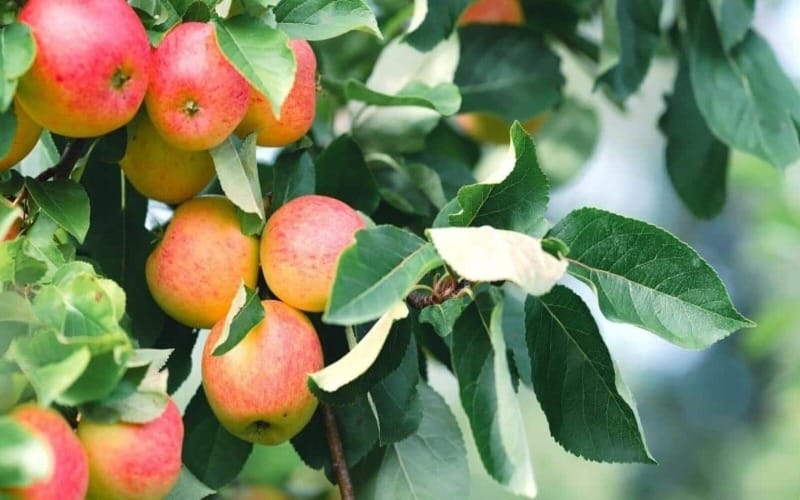
Although buying apple trees for your garden is a thrilling effort, it is also something that has to be carefully considered in order to ensure that your investment will be successful and will last for a long time. This article will provide you with vital insights that will assist you in making decisions that are based on accurate information by delving into the top considerations that professionals recommend when acquiring apple trees.
1. Understanding Climate Adaptability
One of the primary factors to consider when choosing apple trees is the climate adaptability of different apple varieties. The United Kingdom’s climate ranges from oceanic in the west to continental in some eastern parts, impacting which apple varieties will thrive best in specific areas.
Cold Hardiness
Apple trees require a certain number of chilling hours to break dormancy and set fruit. The specific chilling requirements can vary significantly between varieties. For example, varieties like ‘Bramley’s Seedling’ and ‘Cox’s Orange Pippin’ are well-suited to Britain’s cooler climates, while others may require warmer conditions. Ensure the variety you choose matches the winter conditions of your area to prevent issues with flowering and fruiting.
Heat Tolerance
While not typically associated with high temperatures, certain areas in Britain can experience warmer summers, which might stress plants not suited to heat. Varieties like ‘Gala’ and ‘Golden Delicious’ have shown good adaptability to slightly warmer conditions, making them suitable for planting in sunnier, sheltered spots.
2. Soil Type and Quality
Soil health plays a crucial role in the growth and productivity of apple trees. Different soil types across Britain can affect the nutrient availability, water retention, and overall health of your trees.
Soil pH
Apple trees generally prefer a slightly acidic to neutral soil pH, ranging from 6.0 to 7.0. Testing your soil pH before planting can help you adjust it if necessary through the use of soil amendments like sulfur to lower pH or lime to raise it.
Drainage and Texture
Apple trees do not thrive in waterlogged soil. Good drainage is essential to prevent root diseases such as root rot. If your garden has heavy clay soil, consider improving drainage by adding organic matter or creating raised beds. Sandy soils, while well-draining, may require more frequent watering and fertilization to sustain healthy trees.
3. Pollination Requirements
Most apple varieties are not self-pollinating and will require the presence of a second apple tree of a different variety for cross-pollination. Ensuring that you have compatible pollinators within close proximity is crucial for fruit set.
Choosing Pollination Partners
Select apple varieties that flower at the same time to ensure effective cross-pollination. For instance, if you plant a ‘Cox’s Orange Pippin’, which is a mid-season bloomer, pairing it with another mid-season bloomer like ‘Golden Delicious’ can enhance your chances of a good harvest.
Consideration of Pollinator-Friendly Plants
Including plants that attract bees and other pollinators can also increase your success rate. Lavender, sage, and other flowering herbs can be excellent companions in your apple garden, attracting pollinators and improving biodiversity.
4. Disease Resistance
Apple trees can be susceptible to a range of diseases, which can affect their growth, yield, and lifespan. Choosing disease-resistant varieties is particularly important in areas where apple pests and diseases are prevalent.
Common Diseases
Some of the most common diseases affecting apple trees in Britain include apple scab, powdery mildew, and fire blight. Varieties like ‘Liberty’ and ‘Freedom’ have been bred for higher resistance to these common issues, reducing the need for chemical treatments and making them ideal for organic growing.
Resistance vs. Tolerance
It’s important to distinguish between disease resistance and disease tolerance. Resistant varieties can prevent certain diseases entirely, while tolerant varieties may still exhibit symptoms but will suffer less damage and continue to grow and produce fruit.
5. Tree Size and Rootstock
The size of the apple tree you choose is largely determined by the rootstock onto which the variety is grafted. Rootstocks influence the tree’s growth rate, size, and how quickly the tree will begin to bear fruit.
Types of Rootstocks
Rootstocks vary from dwarf varieties, which are ideal for small spaces or even containers, to more vigorous, larger varieties suited for traditional orchards. For instance, M27 rootstock produces a very dwarf tree, ideal for tiny gardens or patios, whereas MM106 is suitable for creating a medium-sized, more productive tree. Selecting the right rootstock can ensure your apple trees fit well within your available space and meet your expectations for fruit production.
Spacing Considerations
The choice of rootstock also impacts how closely you can plant your apple trees. Dwarf varieties can be planted much closer together, usually around 2-3 meters apart, while larger trees might require spacing of up to 4-6 meters. Proper spacing is crucial for allowing sufficient sunlight and air circulation, which help minimize disease risks and boost fruit production.
6. Variety Selection
With over 2,500 varieties of apples grown throughout the UK, choosing the right type can be a daunting task. Each variety offers different flavors, textures, and uses, making it important to consider what your preferences are for eating, cooking, or storing.
Eating vs. Cooking
If you are looking for apples to eat fresh, varieties like ‘Gala’, ‘Braeburn’, and ‘Honeycrisp’ offer great flavor and texture. For cooking, ‘Bramley’s Seedling’ is one of Britain’s favorite baking apples due to its tart flavor and fluffy texture when cooked. Some varieties like ‘Cox’s Orange Pippin’ are versatile, good for both eating fresh and using in the kitchen.
Storage Capability
Some apple varieties store better and longer than others, which can be an important consideration if you wish to enjoy your apples throughout the winter months. Varieties like ‘Worcester Pearmain’ and ‘Granny Smith’ are known for their ability to maintain quality over time when stored in a cool, dry place.
7. Harvest and Yield Timing
Understanding the maturity and harvest times for apple varieties can help you plan for continuous harvest throughout the season. Depending on the cultivar and rootstock, apple trees usually start bearing fruit around 2 to 5 years after planting.
Early, Mid, and Late Season Varieties
Selecting a mix of early, mid-season, and late-harvest apples can extend the availability of fresh apples from your garden. For example, ‘Discovery’ is an early-season apple, ripening in late August, while ‘Sunset’ and ‘Fiesta’ come into season in October, and ‘Braeburn’ provides a late harvest in November.
8. Aesthetic and Landscape Value
Apart from the practical aspects of yield and consumption, apple trees can offer significant aesthetic and landscaping benefits. With their spring blossoms and autumn fruits, apple trees can enhance the beauty of any garden.
Blossom Beauty
Apple blossoms in spring are not only beautiful but also attract pollinators. Varieties like ‘Malus floribunda’, the Japanese crabapple, are particularly noted for their spectacular spring blooms.
Autumn Foliage
Many apple trees exhibit striking autumn foliage, adding color and vibrancy to the garden as the seasons change. This ornamental value is an added bonus to the practical benefits of growing your own fruit.
Selecting the right apple trees involves a combination of understanding your local climate and soil conditions, knowing what you want from your apple crop, and planning how best to integrate these trees into your garden or orchard. By taking into account these expert considerations, you can ensure a fruitful and rewarding apple-growing experience.