Shilajit in Traditional Himalayan Cuisine: How It’s Used for Wellness

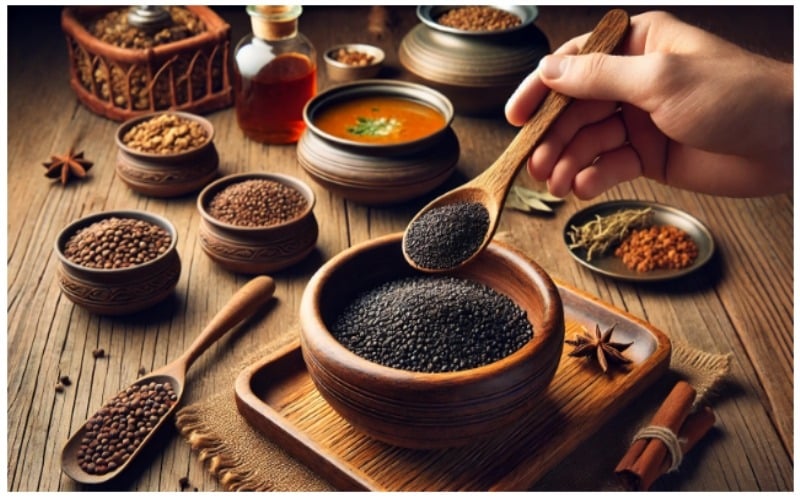
Shilajit, the ancient natural resin known for its medicinal properties, has been a staple in Himalayan culture for centuries. This mineral-rich substance is revered for its therapeutic benefits and finds a unique place in traditional Himalayan cuisine. In this article, we’ll explore how shilajit is traditionally used in Himalayan cuisine, its role in wellness practices, and how modern enthusiasts can incorporate it into their diets.
The Cultural and Medicinal Significance of Shilajit
In Himalayan culture, shilajit has long been considered a gift from nature. Known locally as the “conqueror of mountains” or the “destroyer of weakness,” it has been used to improve stamina, combat fatigue, and promote overall vitality. Its rich composition of over 80 minerals, fulvic acid, and humic acid makes it a powerful supplement for physical and mental well-being.
Traditionally, Himalayan communities have incorporated the benefits of shilajit into their daily lives to:
- Support energy levels during physically demanding tasks such as farming and climbing.
- Aid recovery from illnesses or injuries.
- Enhance immunity and longevity, particularly in high-altitude regions where the environment can be harsh.
How Shilajit Is Used in Traditional Himalayan Cuisine

Here are some traditional ways it’s incorporated into daily meals:
1. Shilajit-Infused Tea
One of the most common ways to consume shilajit in the Himalayas is by adding it to tea. Locals dissolve a small pea-sized amount of shilajit in hot water or herbal tea, often alongside ingredients like ginger, black pepper, and honey. This infusion creates a warming, energizing drink that is ideal for combating the cold and boosting stamina.
Shilajit tea is believed to:
- Improve digestion.
- Enhance mental clarity.
- Increase physical energy, making it perfect for starting the day or recovering after physical exertion.
2. Nutritious Soups and Broths
Shilajit is often added to soups and broths, especially during colder months or after strenuous activities. These dishes typically feature local ingredients like lentils, barley, root vegetables, and yak meat or butter. A small amount of shilajit is dissolved into the broth, enriching it with minerals and adding to its restorative properties.
Traditional benefits:
- Supports immune health during harsh winters.
- Provides a natural source of energy.
3. Shilajit-Enhanced Milk
Warm milk mixed with shilajit is a popular bedtime drink in the Himalayan region. This simple preparation combines milk’s nutrient density with shilajit’s restorative properties, promoting relaxation and better sleep.
Why it’s effective:
- Soothes the body and mind after a long day.
- Supports bone health through the calcium in milk and minerals in Shilajit.
- Acts as a natural sleep aid, helping people cope with the demands of high-altitude living.
4. Energy Balls and Snacks
Himalayan communities have also been known to incorporate shilajit into nutrient-dense snacks. For example, energy balls made with dried fruits, nuts, seeds, and a hint of shilajit are consumed as a source of sustainable energy for long journeys or physically intensive activities.
Benefits:
- Acts as a quick energy booster.
- Combines the natural sugars in fruits with shilajit’s minerals to sustain energy levels.
- Easy to carry and consume on the go.
Why Shilajit Is Essential in the Himalayan Diet
Shilajit is known to improve oxygen transport in the body and increase energy production, helping individuals adapt to high-altitude conditions. This is especially important for people living or working in mountainous regions.
The physically demanding lifestyle in the Himalayas often leads to exhaustion. Shilajit’s ability to enhance mitochondrial function and energy production makes it a valuable resource for combating fatigue.
In environments where healthcare access is limited, shilajit’s immune-boosting properties play a vital role in maintaining health and preventing illness.
Modern Takes on Shilajit in Wellness-Focused Recipes
While the traditional uses of shilajit remain significant, modern wellness enthusiasts have started incorporating it into creative recipes that go beyond Himalayan cuisine. Here are a few ideas to inspire you:
How to Choose the Best Shilajit for Culinary Use
Not all shilajit products are equal, and it’s important to choose high-quality, pure resin for the best results. Here’s what to look for:
- Purity: Opt for natural shilajit resin without additives or fillers.
- Authenticity: Ensure the product is sourced from reliable regions like the Himalayas or Altai mountains.
- Lab Testing: Choose brands that provide third-party lab testing to confirm purity and safety.
- Packaging: Look for airtight containers to preserve freshness.
Final Thoughts
Shilajit is far more than a supplement—it’s a vital part of Himalayan culture, offering both culinary and medicinal value. From energizing teas to immune-boosting broths, shilajit’s role in traditional cuisine demonstrates its versatility and effectiveness in promoting wellness. Next time you’re looking for a natural way to support your health, consider trying shilajit in one of these recipes. It’s a simple yet powerful step toward holistic wellness.