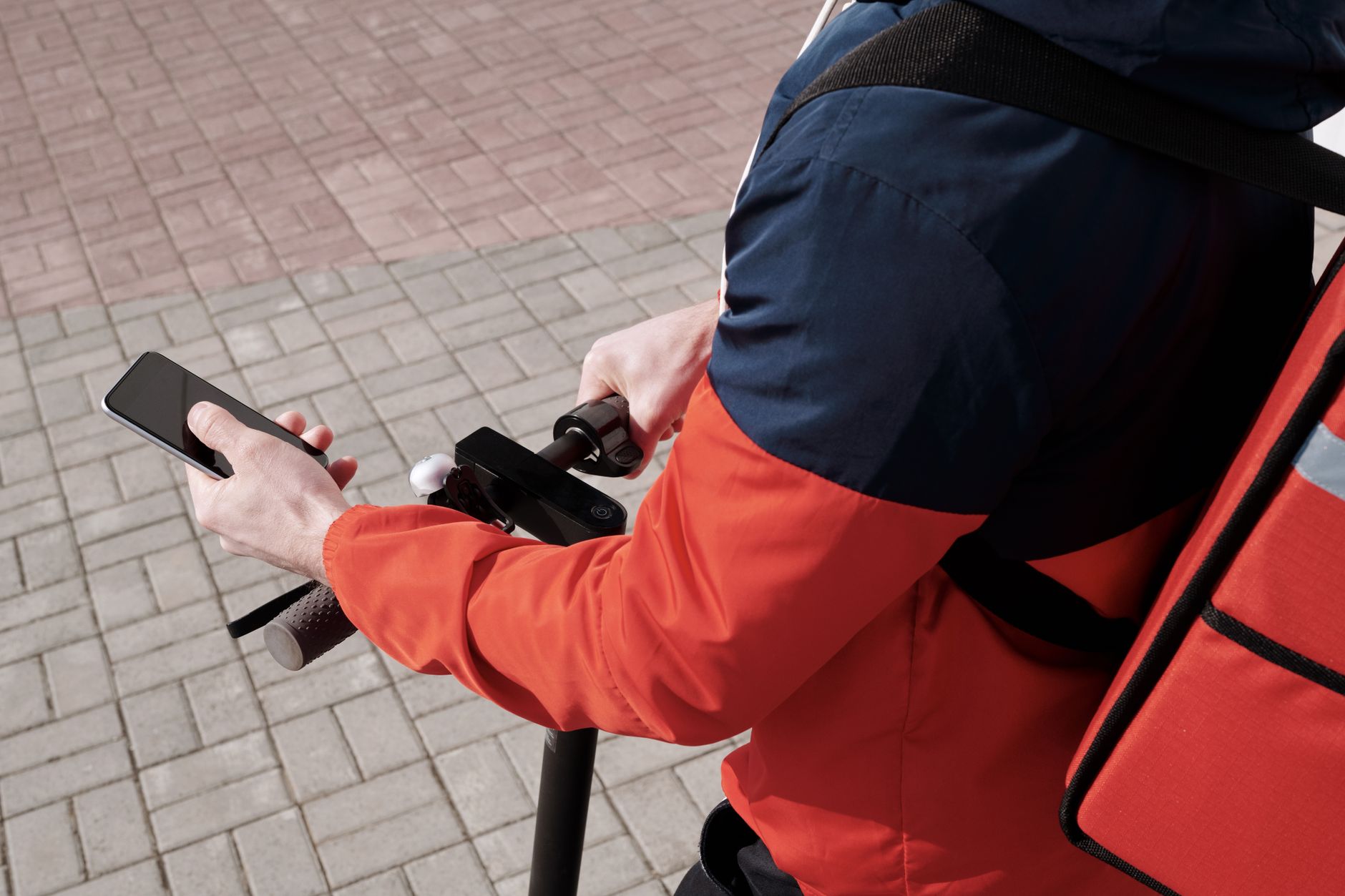
Last Mile Delivery Efficiency: Why the Final Stage of Shipping Matters
Last mile delivery has become one of the most important aspects of modern logistics. While a shipment may travel hundreds or even thousands of kilometers through air, sea, or land transportation, the final delivery to the customer's location often presents the greatest operational challenge.
As e commerce continues to expand and customer expectations for faster deliveries increase, businesses are placing greater emphasis on improving last mile delivery performance. Understanding how this stage works helps organizations optimize shipping operations, improve customer experiences, and manage transportation costs more effectively.
Why Last Mile Delivery Is More Challenging Than Other Shipping Stages
Unlike long distance freight transportation, last mile delivery involves delivering individual shipments directly to customers. Every destination has different circumstances, including traffic conditions, building access, parking availability, and customer availability.
Several factors contribute to the complexity of last mile delivery, including:
- Changing traffic conditions throughout the day
- Delivery delays caused by incomplete or inaccurate addresses
- Failed delivery attempts when recipients are unavailable
- Longer travel distances between delivery locations in certain areas
- Different building access requirements in residential and commercial properties
Although this stage represents the shortest portion of the transportation journey, it often accounts for a significant share of total delivery costs due to the number of individual stops and operational resources required.
How Route Planning Improves Delivery Efficiency
Effective route planning is one of the most important ways logistics providers improve delivery performance.
Modern delivery operations increasingly rely on digital route optimization systems that analyze traffic conditions, delivery priorities, and vehicle capacity before assigning delivery routes.
Dynamic Route Optimization
Dynamic routing allows delivery schedules to be adjusted throughout the day based on changing road conditions, traffic congestion, or unexpected delays. This helps reduce unnecessary travel time and improves overall delivery efficiency.
Scheduled Delivery Windows
Providing customers with estimated delivery windows helps reduce unsuccessful delivery attempts. When customers know approximately when their package will arrive, they are more likely to be available to receive it.
Geographic Delivery Grouping
Grouping deliveries within the same geographic area enables drivers to complete more deliveries while minimizing unnecessary travel between locations. This approach improves productivity and supports more efficient use of transportation resources.
The Growing Role of Technology in Logistics
Technology has transformed the way courier and logistics providers manage deliveries.
Today, many logistics companies use digital systems that provide:
- Real time shipment tracking
- Delivery notifications
- Electronic proof of delivery
- Route optimization
- Shipment status updates
These technologies improve communication between logistics providers and customers while reducing the number of support inquiries related to shipment status.
Many businesses also appreciate flexible delivery options that allow customers to reschedule deliveries or select alternative collection points when necessary.
A courier service in Singapore that incorporates shipment tracking and proactive customer communication into its delivery operations can help improve shipment visibility and support a more organized delivery process.
Delivery Challenges in Urban and Suburban Areas
Delivery performance is influenced by the characteristics of the destination area.
Urban environments often present challenges such as:
- Heavy traffic congestion
- Limited parking availability
- Security access requirements for commercial buildings
- High delivery volumes within small geographic areas
Suburban and regional areas present different challenges.
Although parking and access are generally easier, delivery vehicles often travel longer distances between individual stops, increasing transportation time.
Businesses serving customers across different regions typically benefit from logistics providers that have experience operating in both urban and suburban delivery environments.
Why Last Mile Delivery Matters for Customer Experience
The delivery experience is often the final interaction customers have with a business after placing an order.
Even when products arrive in good condition, poor delivery communication or unexpected delays may affect the overall customer experience.
For this reason, many organizations monitor delivery performance alongside other customer service metrics. Accurate shipment tracking, timely communication, and efficient delivery coordination contribute to a more consistent fulfillment process.
RR Express is a logistics and courier service company with over 15 years of experience in domestic distribution, delivery, and freight solutions. Founded in 2013, the company serves businesses across Singapore, Australia, the United Kingdom, and Southeast Asia. Working with established retailers and partnering with major third party logistics providers, air cargo operators, and sea freight companies, RR Express supports both domestic and international shipping requirements through integrated logistics and distribution services.
Best Practices for Improving Last Mile Delivery
Businesses can improve last mile delivery performance by implementing several practical strategies.
Maintain Accurate Delivery Information
Verifying customer addresses before shipment helps reduce delivery delays and minimizes failed delivery attempts.
Offer Flexible Delivery Scheduling
Providing customers with delivery time options allows recipients to plan accordingly and increases the likelihood of successful deliveries.
Communicate Shipment Progress
Automated notifications and shipment tracking provide greater visibility throughout the delivery process and help customers stay informed.
Choose Logistics Providers with Appropriate Coverage
Selecting providers that have strong operational coverage across both urban and regional markets helps businesses maintain more consistent delivery performance.
Monitor Delivery Performance
Regularly reviewing delivery metrics such as on time delivery rates, unsuccessful delivery attempts, and customer feedback helps identify opportunities for operational improvements.
Factors Businesses Should Consider When Choosing a Logistics Provider
Choosing the right logistics partner involves more than comparing shipping prices.
Businesses should also evaluate:
- Geographic coverage
- Transportation network
- Shipment tracking capabilities
- Customer communication systems
- Domestic and international shipping experience
- Integration with business operations
- Ability to support changing shipment volumes
Working with a logistics provider that offers courier services, freight transportation, and distribution support can simplify supply chain coordination while helping businesses manage different shipping requirements through a single logistics partner.
Frequently Asked Questions
Why is last mile delivery often the most expensive part of shipping?
Last mile delivery involves multiple individual stops, changing traffic conditions, and direct deliveries to customers, making it one of the most resource intensive stages of the logistics process.
How does route optimization improve delivery efficiency?
Route optimization uses real time traffic information and delivery schedules to organize delivery routes more efficiently, reducing travel time and improving operational performance.
What are the most common causes of failed deliveries?
Incomplete addresses, unavailable recipients, and unclear delivery instructions are among the most common reasons deliveries cannot be completed on the first attempt.
Does last mile delivery differ between urban and suburban areas?
Yes. Urban deliveries often involve traffic congestion and building access challenges, while suburban deliveries generally require longer travel distances between delivery locations.
How can businesses improve last mile delivery performance?
Businesses can improve delivery performance by maintaining accurate customer information, providing shipment tracking, communicating delivery updates, and working with logistics providers that offer broad transportation coverage and reliable distribution support.