Cleaning takes time and energy, and for many households, mopping is one of the chores most often delayed because it feels tedious. Traditional mopping requires filling a bucket, wringing out pads, and moving systematically across every corner of the home. Robot vacuums that can also mop promise to make this process effortless, letting you step away while the device handles both vacuuming and floor washing. With a robot vacuum and mop, homes can stay spotless with minimal effort, creating a real sense of convenience for busy families. In this article, we’ll explore how robotic mopping systems actually work, what determines their effectiveness, and how to get the best results from them.
How Robotic Mopping Systems Actually Work
At their core, robot vacuums with mopping functions combine suction for debris with a water tank and a cloth or pad to wipe the floor. After vacuuming dirt and dust, the machine releases a controlled amount of water onto the pad, which drags across the floor surface as it navigates. Some systems include vibration or scrubbing features to imitate the pressure of manual mopping, while others focus on evenly distributing moisture for general cleaning. The robot is programmed to balance suction and mopping, ensuring that the pad does not leave the floor too wet. This design makes robotic mopping a supplement to deep cleaning, but for daily upkeep, it offers valuable time savings.
Key Factors That Determine Mopping Performance
Floor Type Compatibility: Hardwood, Tile, and Laminate
Not all floors respond the same way to robotic mopping, and understanding this helps set realistic expectations. Tile surfaces, with their durability and smooth finish, are often the easiest for robots to clean effectively, as the pads can wipe away dust and light spills without difficulty. Hardwood floors benefit from light, damp cleaning but require careful water control to avoid damage from excess moisture. Laminate flooring presents a similar concern, as standing water can seep into seams and cause warping over time. Robot vacuums with well-calibrated water release are particularly useful for these sensitive surfaces. Knowing your flooring type ensures you pair the machine with the right level of cleaning intensity.
Pad Material, Water Tank Size, and Navigation
The performance of robotic mops is also shaped by the design of their pads and water tanks. Microfiber pads tend to trap dust and fine particles more effectively, while disposable pads are convenient but can become costly with frequent use. A larger water tank allows the robot to cover bigger areas in a single run without requiring a refill, which is especially helpful in larger homes. Navigation plays a critical role as well; devices that map rooms intelligently avoid repeatedly soaking one spot while neglecting others. Together, these elements determine how evenly the robot distributes moisture, how well it wipes surfaces, and how practical it is for routine use.
Top Tips for Getting the Best Mopping Results
Preparing Floors Before Each Cleaning Cycle
Although robot mops are designed for convenience, preparing your home before a cleaning cycle ensures better performance. Picking up loose items such as toys, shoes, or pet bowls prevents the machine from getting stuck and allows it to maintain a consistent mopping path. Sweeping or running a quick vacuum pass beforehand can also reduce the amount of debris that sticks to the mop pad, keeping it effective longer. It’s also smart to roll up rugs or mark them as no-mop zones in the app to prevent them from being dampened. This preparation only takes a few minutes and results in far cleaner floors once the cycle finishes.
Maintaining Pads and Water Tanks for Longevity
Regular maintenance plays a big role in how well robotic mops perform over time. Pads should be washed or replaced frequently, since dirty pads tend to smear grime rather than lift it away. Emptying and rinsing the water tank after each use prevents residue buildup and keeps the system hygienic. For households with pets, pads may need to be cleaned even more often, as hair and dander can quickly reduce efficiency. By making pad care and tank cleaning part of your routine, you extend the life of the machine and keep its mopping results consistent.
Conclusion
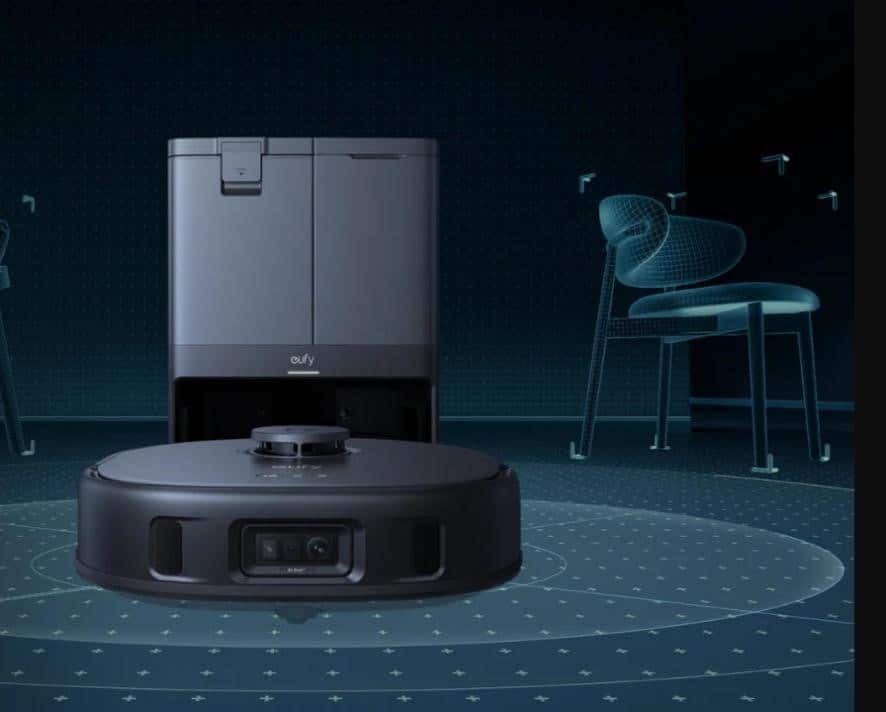
Robot vacuums that mop are not a complete replacement for deep manual scrubbing, but they excel at keeping floors fresh on a daily basis. Their strength lies in handling the constant layer of dust, light spills, and everyday dirt that accumulate faster than most people have time to address. For busy households, this convenience means floors stay cleaner without adding extra chores to an already packed schedule. Upgrading to eufy’s robot vacuum and mop makes the experience even more seamless, as its thoughtful design ensures a balance between suction and mopping. For most families, this combination delivers a home that feels cleaner day to day with less effort required.