How SIP Technology Modernizes Business Communications
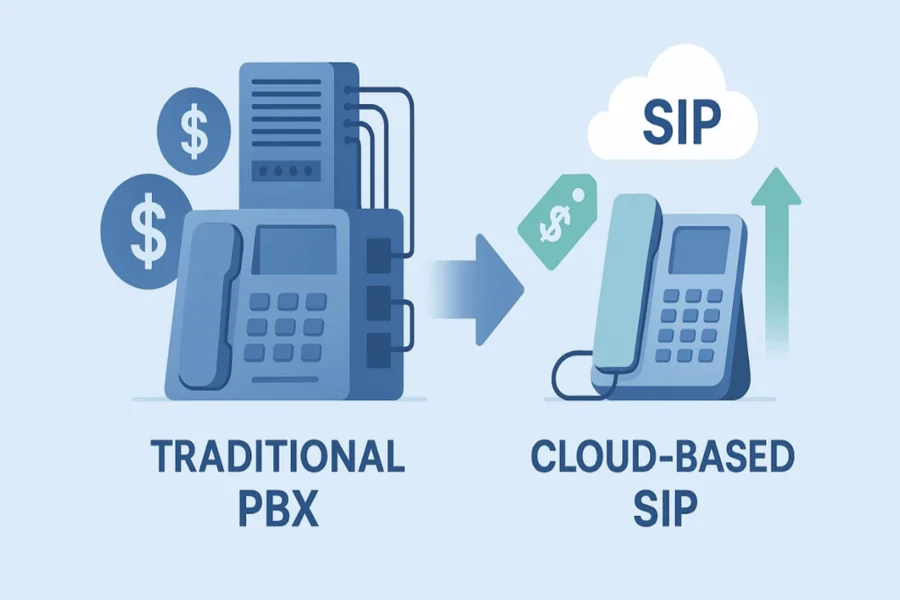
Session Initiation Protocol (SIP) technology has changed the way businesses communicate. In today’s dynamic environment, businesses need flexible, efficient, and cost-effective tools to keep up with changing demands. SIP offers a modern solution for organizations looking to streamline their communication processes. This technology enables voice, video, and messaging through the internet, helping businesses operate more smoothly and effectively.
Simplifying Communication Infrastructure
Traditional phone systems require separate networks for voice and data. SIP does away with this requirement. SIP trunking providers offer virtual phone lines over the internet, replacing physical phone lines for businesses to make and receive calls, video, and messaging using Voice over IP (VoIP) technology.
This integration reduces hardware costs and streamlines maintenance. Internet-based communication allows organizations to connect different locations without relying on multiple service providers. This method ensures consistent communication while reducing overall operational costs.
Boosting Flexibility and Scalability
A company’s communication needs will change as it grows. Conventional phone systems can make expansion difficult and expensive. With SIP technology, you can easily add and remove users. Without investing in new communication systems, organizations can rapidly change their communication system to facilitate new requirements. This ensures both small teams and larger enterprises can scale up or down easily.
Enhancing Mobility for Modern Workforces
Many industries today have adopted remote and hybrid work arrangements. SIP technology helps employees connect from anywhere there is internet access. It allows staff to make and receive calls, join video meetings, and send messages from their own devices too, just as they would if they were in the office. This mobility allows your teams to continue to stay productive and collaborate without problems, even when they are apart from each other. Communication remains consistent, irrespective of employees’ locations.
Improving Communication Features
SIP technology adds many advanced capabilities to business communications. Features like call forwarding, voicemail, video conferencing, and instant messaging can easily be integrated. Organizations can tailor communication platforms to meet their specific needs. These improvements allow teams to respond to clients and colleagues more quickly. They improve collaboration and customer service through access to these tools.
Reducing Communication Costs
Businesses often look for ways to reduce costs without cutting corners. SIP technology helps achieve this by lowering call charges, especially for long-distance and international calls. It routes calls across the internet, which means companies pay much lower fees than they would compared to a traditional phone line. Fewer physical components translate to lower maintenance costs. Savings can then be redirected to other important areas of the organization.
Strengthening Security and Reliability
Security remains a top concern for businesses handling sensitive information. SIP technology supports powerful encryption methods that secure calls and messages. Frequent updates and monitoring further solidify the defenses against cyber attacks. SIP systems can also include fallback measures to minimize disruptions during outages. Being able to communicate reliably is the key to establishing trust with your clients and partners, and SIP remains a vital part of achieving this goal.
Supporting Integration With Other Tools
Today, organizations use a wide range of tools and software to manage their operations. SIP technology can be integrated with customer relationship management (CRM) systems, help desks, and other business platforms. This compatibility allows workflows to be more efficient, as it centralizes communications and data. Teams can access important information quickly and be more efficient and effective. Seamless integration also reduces the need for manual data entry or switching between multiple systems.
Conclusion
SIP technology has become a vital component of modern business communication. Its ability to simplify infrastructure, enhance flexibility, and reduce costs makes it a top choice for many organizations. There are other benefits as well, such as improved mobility, security, and integration, all of which add to its value. As more companies adopt SIP solutions, they are better positioned to adapt to changing needs and maintain strong connections with clients and colleagues. Embracing SIP technology supports growth, innovation, and ongoing success.