Everything You Need to Know about Magic Mushrooms: Benefits, Risks, and Legal Status

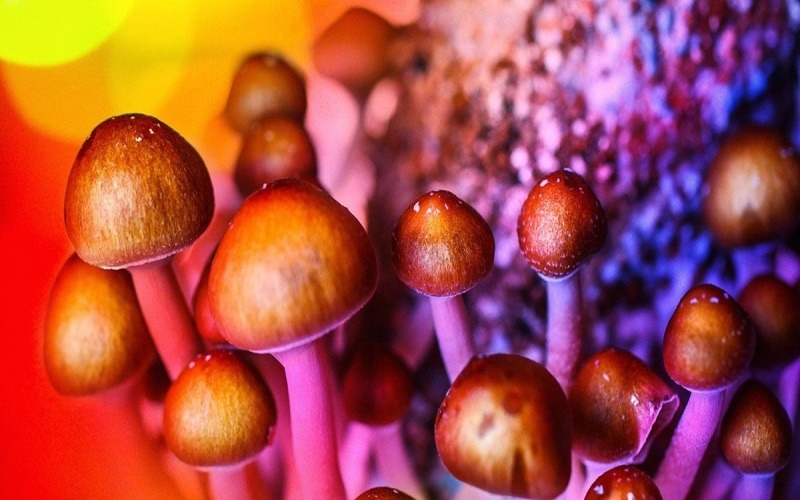
Magic mushrooms, also known scientifically as psilocybin mushrooms, are a group of fungi that contain the psychoactive compounds psilocybin and psilocin. These substances have the ability to alter perception, mood, and thought in significant ways when ingested. Historically used for religious and spiritual rituals, magic mushrooms have been a subject of curiosity and extensive research, particularly for their potential therapeutic effects.
The legal status of magic mushrooms varies globally, with many countries listing them as a controlled substance due to their psychoactive nature. However, recent shifts in legislation have seen certain regions decriminalize or approve their use for therapeutic research. The rising interest in psilocybin as a possible treatment for various mental health conditions, including depression, PTSD, and anxiety, has led to a resurgence of scientific studies aiming to understand its effects and therapeutic potential.
Research has shown that psilocybin interacts with serotonin receptors in the brain, which may lead to its profound effects on consciousness. Its impact on neural pathways has been a focal point of study, as it appears to temporarily disrupt default mode network activity, which is thought to play a role in the sense of self. Studies continue to investigate the implications of this activity on mental health, suggesting that, under controlled conditions, psilocybin may offer a novel approach to treating various psychiatric disorders.
History of Magic Mushrooms
Magic mushrooms, with their hallucinogenic properties, have a complex history of use across various cultures and have been a subject of scientific interest.
Cultural Significance
Magic mushrooms, or Psilocybe species, have been part of human culture for thousands of years. Indigenous peoples in Mesoamerica used these fungi in religious and spiritual ceremonies. Statues and paintings in Central and South America depict mushrooms, hinting at their ceremonial use as early as 1000 BCE. The Aztecs referred to Psilocybe mexicana as teonanácatl, meaning “flesh of the gods,” highlighting their significance.
Scientific Discovery
The formal scientific discovery of the psychedelic properties of magic mushrooms can be credited to Western science in the 20th century. In 1957, American mycologist R. Gordon Wasson published an article in Life magazine titled “Seeking the Magic Mushroom,” which brought global attention to these fungi. Later, in 1958, Swiss chemist Albert Hofmann, who had previously synthesized LSD, identified and named the main psychoactive compounds in magic mushrooms: psilocybin and psilocin.
Biological Characteristics
Magic mushrooms possess distinctive biological features that make them notable for containing psychoactive compounds, primarily psilocybin. Understanding their species diversity and preferred growing conditions is essential for recognizing and cultivating these mushrooms.
Species of Psylocybin Mushrooms
More than 180 species of mushrooms contain the psychoactive compound psilocybin, though they vary widely in potency and appearance. The most well-known species include Psilocybe cubensis, Psilocybe semilanceata, and Psilocybe azurescens. Psilocybe cubensis is particularly favored for cultivation due to its robust nature and larger size.
Here is a list of some common psilocybin mushrooms species:
- Psilocybe cubensis: Often called the “golden teacher,” it has a distinctive golden-colored cap and is found in tropical environments.
- Psilocybe semilanceata: Known as the “liberty cap,” it features a nipple-like protrusion on top and is common in grasslands across North America and Europe.
- Panaeolus cyanescens: This species is characterized by a dark cap and is potent in psilocybin and psilocin content.
- Psilocybe azurescens: Offers one of the highest concentrations of psilocybin and features a conical cap; it thrives in the Pacific Northwest of the United States.
Growth and Harvesting Conditions
Psilocybin mushrooms have specific environmental requirements to thrive. They typically grow in rich and humid soil, with a preference for environments where the humidity and temperature can be precisely controlled when cultivated indoors. Colonization and fruiting temperatures for Psilocybe cubensis, for instance, range between 75-81°F (24-27°C) and 68-72°F (20-22°C), respectively.
The substrates used for growth usually consist of grains, such as rye or wheat, and are often supplemented with nutrients like manure or compost. Proper sterilization of the substrate is crucial to prevent contamination.
Mushrooms are generally harvested just before the veil, which connects the cap to the stem, breaks. This is when they are thought to be at their peak potency. Harvesting involves twisting and pulling the mushroom away from the substrate to avoid damaging the mycelium network, which is the basis for future flushes of mushroom growth.
Effects and Uses
Magic Mushrooms in Toronto, primarily known for their psychoactive properties, have been the subject of psychological and medical interest. They contain psilocybin, a substance that significantly affects both the brain and the body.
Psychological Effects
When ingested, psilocybin is converted to psilocin, which is known to produce short-term effects on mood, perception, and thought processes. Users may experience:
- Altered sensory perception: Users report changes in visual or auditory perception.
- Changes in mood: Feelings of euphoria or, conversely, anxiety can occur.
- Altered sense of time: The perception of time can be distorted, with minutes feeling like hours.
Medical Research and Therapeutic Uses
Medical studies and clinical trials are investigating the therapeutic potential of magic mushrooms for various conditions.
- Treatment-resistant depression: Several studies suggest that psilocybin may reduce depression symptoms.
- End-of-life psychological distress: Patients with terminal illnesses may experience reduced anxiety and depression.
- Cluster headaches and addiction: Preliminary research shows promise in treating these conditions, though more study is needed.
Legal Status and Safety
The legal status of magic mushrooms varies globally, and their use carries potential risks which demand adherence to safety guidelines.
Worldwide Legal Perspectives
In many countries, magic mushrooms are classified as a controlled substance, making their possession, sale, or use illegal. Some countries have decriminalized magic mushrooms, like the Netherlands, where they are sold as “truffles.” In the United States, magic mushrooms are generally illegal, although cities such as Denver, Colorado, and Santa Cruz, California, have decriminalized their possession.
Potential Risks and Safe Use Practices
Health Risks: Consumers may experience adverse effects, including nausea, disorientation, and anxiety. There’s a risk of poisoning if misidentified wild mushrooms are consumed.
Safe Use:
- Education: Learn about correct identification to avoid poisonous varieties.
- Setting: Have a safe, comfortable environment to reduce negative experiences.
- Support: A sober sitter can provide assistance if necessary.
- Dosage: Start with a low dose to gauge the body’s reaction.
Users should be mindful of their mental health history, as those with certain conditions may be at an increased risk of adverse psychological reactions.