Feeling Unsure About Towing? You’re Not Alone
Let’s be real—towing can feel a little overwhelming when you’re not quite sure how much your vehicle can actually handle. You might wonder, “Can my truck pull that trailer? What if I load too much? Will I damage my vehicle?” These are questions almost every driver has asked at some point. The good news? With a little guidance, it all starts to make sense.
Whether you’re planning a weekend trip with your camper, hauling equipment for work, or transporting your boat, knowing your limits is key. And when it comes to towing, it’s not just about horsepower—it’s about safety, preparation, and using the right gear.
That’s where this blog steps in. Consider this your go-to Towing Capacity Guide—simple, informative, and straight from the experts at Andersen Hitches. We’ll help you understand what towing capacity really means, what affects it, and how you can increase towing capacity safely without putting your vehicle—or your plans—at risk.
What Is Towing Capacity, Really?
In simple terms, towing capacity is the maximum weight your vehicle can pull safely. But there’s more to it than a single number. Here’s what makes up your towing setup:
- Gross Vehicle Weight Rating (GVWR): Max weight your vehicle can safely handle, including passengers, fuel, and cargo.
- Gross Trailer Weight (GTW): The total weight of your trailer and its contents.
- Tongue Weight: The downward force your trailer applies to the hitch.
- Gross Combined Weight Rating (GCWR): The maximum combined weight of your loaded vehicle and loaded trailer.
If any of these numbers are exceeded, you could damage your vehicle or compromise your safety on the road.
What Affects Your Vehicle’s Towing Power?
Not every vehicle is made equal, and several factors influence towing capacity. Here’s what you need to look at:
- Engine power & torque: A more powerful engine means better towing.
- Transmission system: Automatic vs manual can impact towing performance.
- Axle ratio: A higher axle ratio often means more pulling power.
- Chassis strength: The stronger the frame, the more it can safely haul.
- Cooling systems: Towing puts extra stress on your engine—better cooling systems keep things safe.
If you’re planning to boost trailer weight limit, it’s essential to check all of these components first.
How to Check Your Towing Capacity (The Easy Way)
You don’t need to be a mechanic to figure out your numbers. Here’s how you can find out your vehicle’s towing capacity:
- Check your owner’s manual – Most vehicles list their towing capacity clearly.
- Look for a sticker – Many vehicles have a label inside the driver’s door with GVWR and GCWR.
- Use an online calculator – Some manufacturers provide easy tools to help.
- Contact the dealership – When in doubt, ask the experts.
Knowing your vehicle’s limits is the first step in towing with confidence.
Can You Really Increase Towing Capacity?
Yes—but with a big note of caution. While it’s possible to increase towing capacity, it must be done carefully and within the limits of your vehicle’s design.
Here are a few safe upgrades that might help:
- Upgraded suspension kits to handle more weight
- Improved brakes for stopping power under load
- Heavy-duty radiator or cooling systems to prevent overheating
- Performance chips or tuners to optimize power output
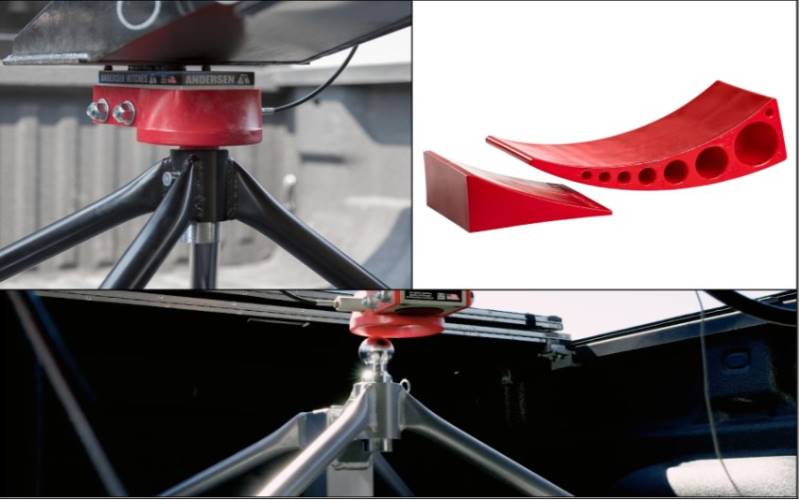
- Stronger hitches and towing hardware rated for higher loads
Important: Never exceed the manufacturer’s ratings unless you’ve had your setup professionally re-certified. Safety first!
Smart Habits for Safer Towing
Once you’ve got the setup right, towing becomes much easier. Here are a few tips to keep your trips safe and smooth:
- Distribute your load evenly across the trailer
- Double-check hitch connections and safety chains
- Use proper mirrors for visibility
- Drive slower and allow more braking distance
- Avoid sudden stops or sharp turns
These little habits go a long way in making your towing experience less stressful jojo siwa magazine cover.
Common Mistakes to Avoid
Even seasoned towers can slip up. Here are a few things to steer clear of:
- Overloading the trailer “just this once”
- Ignoring tongue weight limits
- Using the wrong size ball for your hitch
- Not checking tire pressure
- Forgetting to inspect brakes and lights before each trip
Following this Towing Capacity Guide helps avoid these rookie errors and gives you peace of mind.
Tools and Gear That Make a Difference
Modern tools make towing easier than ever. Some helpful equipment includes:
- Weight-distribution hitches
- Sway control systems
- Wireless brake controllers
- Backup cameras and hitch guides
When used correctly, these tools not only boost trailer weight limit, but also improve control and reduce wear on your vehicle.
Towing Doesn’t Have to Be Stressful
Understanding your limits and building a smart setup are the first steps toward safer, smoother towing. With reliable upgrades, a few safety habits, and tools that simplify the process, anyone can feel confident behind the wheel.
If you’re ready to take towing seriously, check out for gear designed to get the job done safely and efficiently. Your next towing adventure could be the smoothest one yet. Get started with gear that puts safety and power first—visit Andersen Hitches today and make every tow a confident one!