AI Celebrities Coming Soon? The Next Frontier of Entertainment
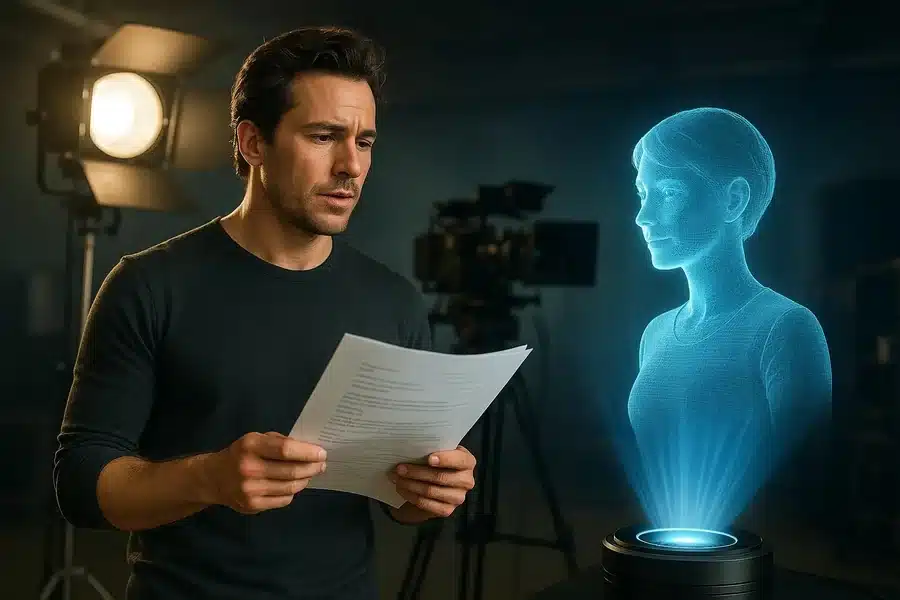
For decades, Hollywood has thrived on reinvention. From silent films to CGI blockbusters, the industry has always embraced technology to captivate audiences. But the next chapter may be unlike anything we’ve seen before: celebrities powered not by flesh and blood, but by algorithms. Could AI actors, singers, and influencers dominate our screens in the coming decade?
The Rise of Digital Stars
The entertainment industry is already experimenting with AI in fascinating ways. Virtual influencers like Lil Miquela have millions of followers despite being entirely computer-generated. Platforms like TikTok are flooded with AI-assisted filters, voices, and even digital personalities that blur the line between fiction and reality.
It’s not hard to imagine a future where studios launch films starring AI-driven actors or create music albums with performers who never set foot in a studio. These synthetic celebrities wouldn’t tire, wouldn’t demand higher salaries, and could be programmed to appeal to specific audiences around the globe.
What AI Brings to the Stage and Screen
For producers, AI celebrities could unlock creative freedom on a massive scale. Imagine a director designing a new action star from scratch — a performer who can pull off stunts without ever needing a safety harness. Or a pop icon who can release new tracks every week, perfectly tuned to trending styles.
AI has already proven capable of writing scripts, generating artwork, and composing music. Extending that capability to fully digital celebrities is a natural next step. The question is whether audiences will connect with them as deeply as they do with human stars.
The Human Factor: Can AI Replace Real Celebrities?
Celebrity culture is built on more than talent. Fans connect with the authenticity, struggles, and personal journeys of real people. It’s why tabloid stories, red carpet interviews, and candid behind-the-scenes clips matter as much as blockbuster roles.
Would audiences embrace an AI actor who has no personal life, no history, and no off-screen drama? Or would people see them as nothing more than high-tech illusions? There’s a chance AI celebrities might be treated more like comic book characters — entertaining, impressive, but lacking the human spark that creates true fandom.
Crossovers Between AI, Games, and Gambling
The entertainment shift isn’t limited to Hollywood. AI is already being tested in interactive fields like gaming and online competition. A recent experiment made by LegalUSPokerSites.com showed how AI can even challenge professional players at poker, highlighting the wider role AI could play in entertainment. If artificial intelligence can bluff and strategize like a pro at the card table, it’s not a stretch to see it performing convincingly on screen.
This crossover suggests a future where AI isn’t just a tool for production but a direct participant in entertainment — whether as a poker rival, a digital athlete, or a star on the silver screen.
Opportunities and Ethical Questions
The rise of AI celebrities raises tough ethical debates. Who owns the rights to a digital performer — the studio, the programmers, or the algorithms themselves? What happens if an AI star becomes more popular than the human actors they were designed to complement?
There’s also the issue of authenticity. In a world where misinformation and deepfakes already pose challenges, adding AI celebrities into the mix could blur reality even further. Fans may question whether they’re watching a human performance, a computer-generated one, or a blend of both.
Predictions for the Next Decade
If history is any guide, audiences will at first be skeptical but eventually embrace AI celebrities, much as they did with CGI, motion capture, and digital influencers. By 2035, it’s plausible that a blockbuster film will star an AI-driven lead, complete with press tours conducted by a synthetic version of the character.
Hybrid models may also emerge. Imagine an A-list actor licensing their likeness to an AI avatar that continues their career indefinitely. Or a musician collaborating with an AI partner to produce genre-bending tracks. The possibilities are endless.
Conclusion: A Brave New Red Carpet
The future of celebrity culture may not belong solely to humans. As AI gains sophistication, the definition of “celebrity” could expand to include digital stars who perform, interact, and even build fandoms of their own.
It’s a shift that feels both exciting and unsettling. Will we admire AI celebrities for their flawless performances, or dismiss them as artificial imitations? The answer may depend on how seamlessly they blend into the cultural fabric — and whether audiences are ready to embrace the idea of stardom without the star.
One thing is certain: Hollywood’s next reinvention is already underway, and the red carpet might soon be rolled out for someone — or something — entirely new.