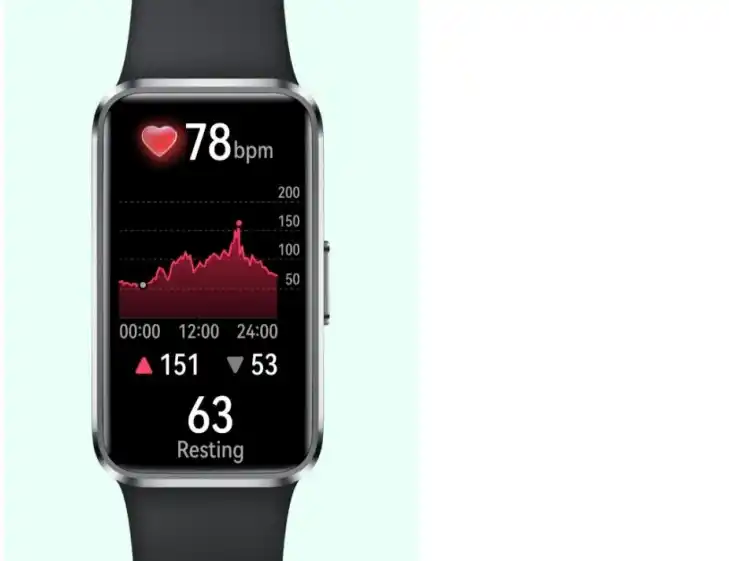
Smart bands have become an integral part of our daily lives. They started as basic fitness trackers, keeping tabs on our step counts and activity levels. Over time, these devices have transformed into complex wearables, packed with advanced health and tech features. This evolution represents a significant leap in both technology and user experience. Join us as we explore the journey of smart bands, from their early days to their current roles in health monitoring and beyond.
Early Days: Basic Fitness Trackers and Their Core Features
The Rise of Fitness Trackers
Fitness trackers first gained popularity during the early 2010s. Some companies led the charge, creating products aimed at helping users monitor their physical activity. These early fitness trackers focused on basic metrics, offering users a simple way to understand their daily activity levels. The demand for health and fitness tracking tools grew rapidly, with consumers seeking ways to live healthier lives through technology.
Basic Activity Monitoring and Step Counting
In their initial form, fitness trackers excelled at basic activity monitoring. Step counting was the primary feature, as it provided users with a straightforward metric to gauge their daily movement. These devices use accelerometers to detect and record steps, allowing users to set goals and track their progress. While limited in functionality, these trackers played a pivotal role in promoting physical activity and awareness.
Limited Battery Life and Functionality
The early fitness trackers, despite their popularity, had limitations. Battery life was often short, requiring frequent recharging, which could be inconvenient for users. Additionally, these devices offered minimal functionality beyond step counting and basic activity monitoring. The technology of the time restricted the potential features, but the foundation was laid for future innovations.
The Transition to Smart Bands: Adding More Features
Heart Rate Monitoring and Sleep Tracking
As technology advanced, so did the capabilities of fitness trackers. Heart rate monitoring and sleep tracking became standard features in the next generation of smart bands. These additions allowed users to gain insights into their overall health, beyond mere step counting. Tracking heart rate variability and sleep patterns provides a more comprehensive picture of one’s fitness level and well-being. This transition marked a significant shift toward holistic health monitoring.
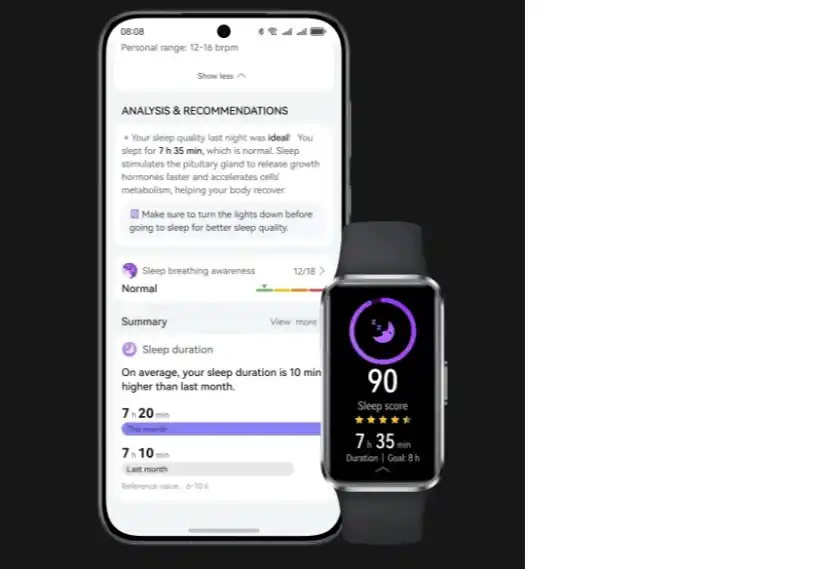
Smartphone Integration and Notifications
Modern smart bands began to incorporate smartphone integration, further enhancing their appeal. Users could now receive notifications for calls, messages, and other app alerts directly on their wrists. This feature turned smart bands into an extension of the smartphone, providing convenience and connectivity on the go. The integration also allowed for better synchronization of data between the smart band and various health and fitness apps.
Improved Battery Life and Performance
The evolution of battery technology and more efficient hardware led to significant improvements in battery life and overall device performance. Modern smart bands could last for days or even weeks on a single charge, making them more user-friendly and practical for daily use. Enhanced performance meant smoother operation and the ability to handle more complex features without compromising on user experience or reliability.
Modern Smart Bands: Advanced Health Monitoring and AI Integration
AI and Machine Learning in Smart Band Features
Artificial Intelligence (AI) and machine learning have elevated the capabilities of smart bands to new heights. These technologies allow for personalized insights and predictive analytics, adapting to each user’s unique lifestyle and health data. AI-driven features can predict activity trends, suggest improvements, and offer tailored health advice, making smart bands not just trackers, but personal health coaches.
Continuous Health Monitoring and Real-Time Data
Modern smart bands offer continuous health monitoring, providing real-time data on a variety of metrics, such as heart rate, oxygen levels, and stress parameters. This constant stream of information allows users to make immediate adjustments to their health routines. Athletes, for instance, can use real-time data to optimize their training, while those managing chronic conditions can keep a closer watch on their health indicators.
Enhanced Sensors for Accurate Tracking
The integration of enhanced sensors has significantly improved the accuracy of tracking. Sensors like ECG monitors, SpO2 trackers, and PPG sensors offer precise health data, which is crucial for accurate monitoring and timely interventions. The Smart band, for example, incorporates these advanced sensors to provide users with reliable heart rate, blood oxygen levels, and sleep quality measurements. These advanced sensors ensure that users receive reliable information, making their smart bands indispensable tools for maintaining a healthy lifestyle.
The Future of Smart Bands: More Than Just Fitness
Smart Bands for Mental Health Monitoring
Future smart bands will likely expand their focus to include mental health monitoring. Features like stress detection, mood tracking, and mindfulness reminders aim to help users maintain mental wellness. Emerging technologies can analyze physiological and behavioral indicators, providing insights into users’ mental states and suggesting ways to improve mental health.
AI-Powered Personalization and Adaptability
AI is set to play an even larger role in the personalization and adaptability of smart bands. Future devices may offer highly customized experiences, learning from user behavior and adjusting features accordingly. This could include dynamic adjustments in exercise recommendations, dietary suggestions, and sleep schedules, all tailored to the user’s evolving needs and goals.
Integration with Other Wearables and Smart Devices
The future will see smart bands becoming part of a broader ecosystem of wearables and smart devices. Seamless integration with smart home systems, medical devices, and other wearables will enhance the functionality and utility of smart bands. This interconnected network can provide a holistic approach to health monitoring, integrating data from multiple sources for a comprehensive health profile.
Conclusion
The evolution of smart bands reflects the incredible advancements in technology and health monitoring. From basic step counters to sophisticated wearables, these devices have come a long way. Today’s smart bands offer comprehensive health insights, real-time data, and AI-driven personalization, making them essential for modern living. As technology continues to advance, the potential for smart bands to further transform health management and personalization is immense. This journey of transformation highlights the ever-evolving nature of technology and its impact on our lives.