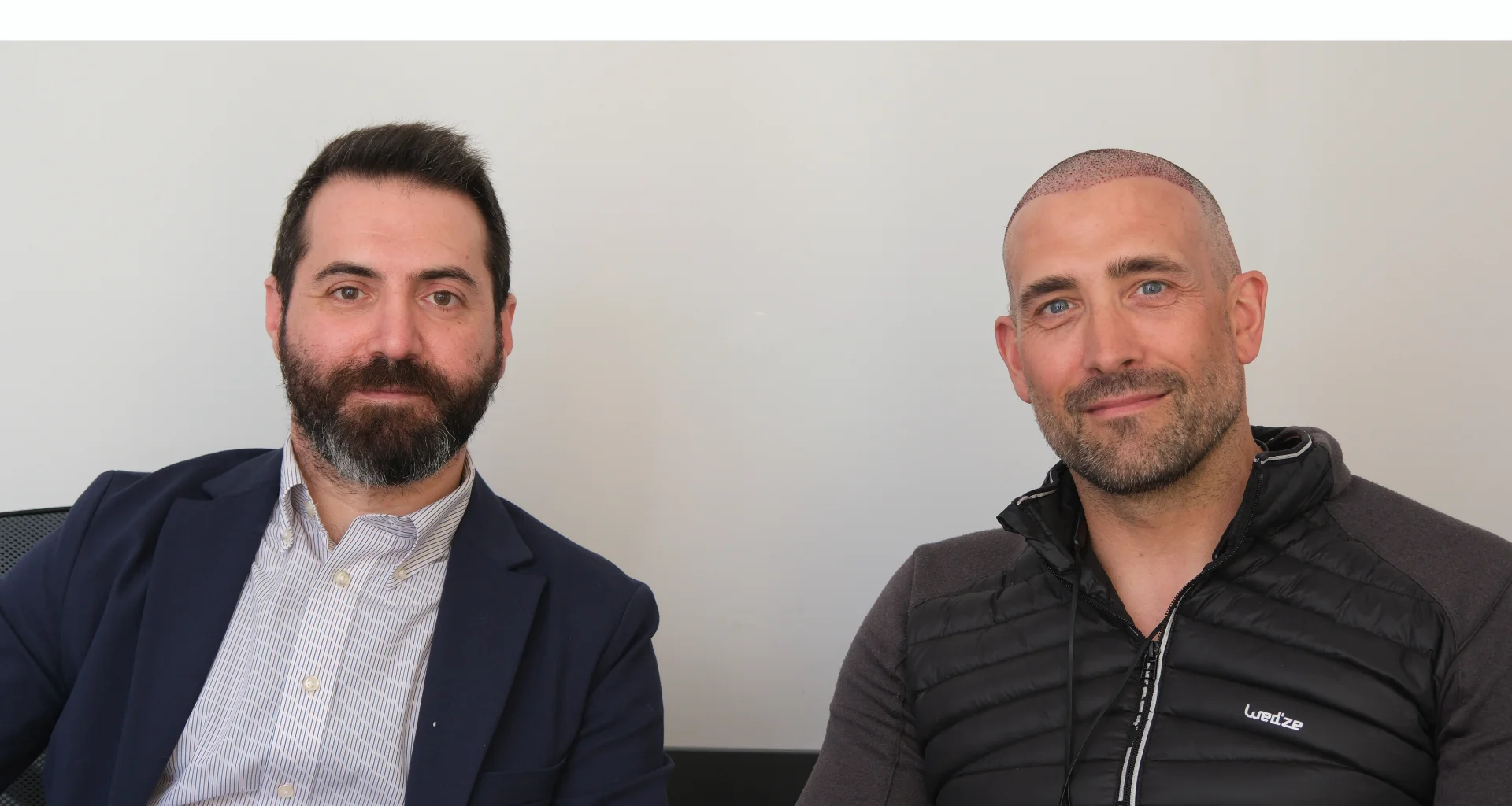
Hair restoration is often described as a cosmetic decision. Hazem Altal believes that is only part of the truth.
In his experience, most people do not consider hair restoration because they want to become someone else. They consider it because hair loss has slowly changed how they see themselves.
That difference matters.
Hair loss can begin quietly. A slightly wider parting. A hairline that sits further back than it used to. A crown that looks different under bright light. At first, many people adjusted. They change hairstyles, avoid certain angles, use products, take fewer photos, or tell themselves it is not noticeable.
But over time, those small adjustments can become part of how someone moves through life.
They may feel less comfortable on camera. Less willing to stand in front of a room. Less relaxed in photographs. Less like the version of themselves they still feel like internally.
That is why, in Altal’s view, hair restoration is rarely only about hair. It is often about confidence, career presence, and self-image.
Confidence is not vanity
There is a common misunderstanding that caring about hair loss is superficial. Altal does not see it that way.
Confidence is not vanity. For many people, it affects how they communicate, how they show up socially, how comfortable they feel in professional settings, and how they carry themselves in daily life.
A person can be successful, capable, respected, and still feel uncomfortable with a visible change in their appearance.
That does not make them weak. It makes them human.
In consultations, people rarely speak only about grafts or techniques. They talk about photographs. Meetings. Dating. Weddings. Video calls. Looking older than they feel. Feeling like their appearance no longer matches their energy.
These are personal reasons, but they are also practical ones.
People live through their appearance every day. They see themselves in mirrors, phones, meetings, and memories. When that image starts to feel unfamiliar, it can affect more than the surface.
Career presence matters more than people admit
In professional life, appearance is not everything. But presence matters.
Entrepreneurs, executives, consultants, sales professionals, creators, and public-facing leaders are often seen before they are heard. They appear on calls, in content, in meetings, on stages, and across social platforms.
Hair loss does not reduce someone’s ability. But for some people, it changes how comfortable they feel being visible.
They may avoid filming videos. They may dislike profile photos. They may feel distracted during meetings because they are thinking about lighting or angles. They may feel that their appearance makes them look more tired or older than they feel inside.
This is not about chasing perfection. It is about removing a quiet mental burden.
When someone feels more comfortable with how they look, they often stop managing every angle. They stop thinking about the camera. They stop avoiding certain moments.
That freedom is one of the real reasons people start asking about hair transplant surgery in Turkey – where advanced techniques, experienced surgeons, and accessible pricing have made it a leading destination for those ready to take that step.
Whether someone is exploring DHI hair transplant Turkey or a more traditional approach, the goal is always the same — a natural result that lasts.
Most people do not want a dramatic change
The best hair restoration conversations are not built around transformation.
Most people do not come in saying they want to look completely different. They want to look like themselves again.
They want a hairline that fits their face. Density that looks natural. A result that does not invite questions. They want people to think they look well, rested, or more confident, without being able to identify exactly why.
That is where medical planning matters.
A hairline that is too low can look artificial. Density that is too aggressive can create an unnatural result. A plan that ignores future hair loss can create problems later.
A good clinic should not simply ask what the patient wants. It should explain what is realistic, what is suitable, and what will still look natural years later.
Hair restoration should never be treated as a quick image correction. It is a long-term decision connected to someone’s face, age, donor area, and future hair loss pattern.
Techniques like Sapphire FUE hair transplant are chosen not just for precision, but because they suit the patient’s scalp, donor density, and long-term hair loss pattern.
Choosing the best hair transplant clinic in Turkey means choosing a team that understands this one that plans not just for today, but for how a result will hold up over years.
The consultation should protect the patient
At UniquEra Clinic, Altal has built the consultation philosophy around a simple idea: patients need clarity before they need treatment.
A consultation should not pressure someone into surgery. It should help them understand where they stand.
Is the donor area strong enough?
Is surgery the right step now?
Would medical treatment or monitoring be better first?
What result is realistic?
What kind of hairline will still look natural later?
Sometimes the right answer is surgery. Sometimes it is waiting. Sometimes it is a more conservative plan than the patient expected.
That honesty matters because hair restoration is not only a medical decision. It is tied to self-image. When a clinic understands that, it has a responsibility to be careful with the patient’s expectations.
People are not just asking for more hair. They are trusting a clinic with how they may see themselves for years.
That is why procedures such as manual FUE hair transplant are performed with the same care and intention as the consultation itself.
The real goal is comfort in the mirror
A successful result should not make someone feel like they have become a different person.
It should make them feel more at ease with the person they already are.
That is the part of hair restoration that is often missed in public conversations. The result is not only measured in grafts, density, or before-and-after photos. It is measured in the small moments after.
Taking a photo without adjusting the angle.
Joining a video call without checking the lighting first.
Walking into a meeting without thinking about the hairline.
Seeing a reflection and feeling that it matches the person inside.
For many patients, that is the real outcome.
Hair restoration is personal because hair loss is personal. It affects people quietly, often for years, before they ever speak to a clinic.
The decision should be handled with that same care.
Not as vanity. Not as pressure. Not as a promise of a new life.
But as a serious, personal decision that can help someone feel more like themselves again.
For people considering hair restoration surgeries, the first step should not be pressure. It should be a careful consultation that explains what is possible, what is realistic, and whether surgery is the right step at all. At UniquEra Clinic, a hair transplant clinic in Istanbul founded by Hazem Altal, clarity is treated as part of the patient’s journey, not something that comes after a decision has already been made.