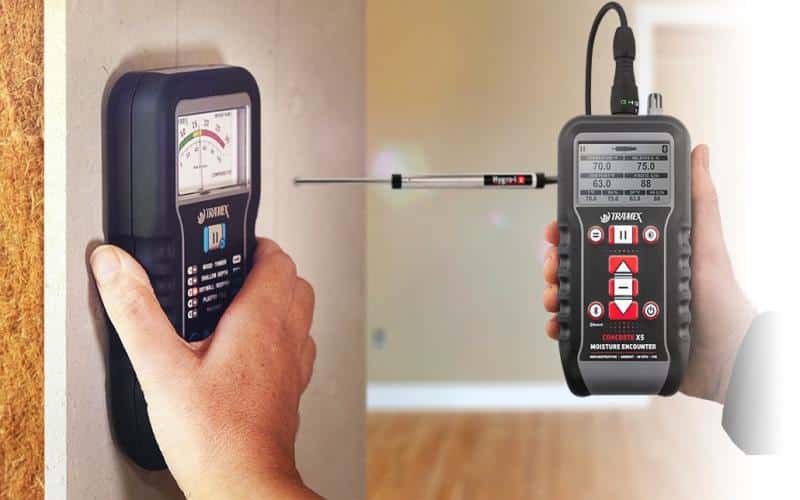
Humidity levels are essential in maintaining the integrity of buildings and ensuring a safe indoor environment. Excess moisture creates suitable conditions for mould growth, damaging surfaces and compromising air quality, which can lead to respiratory issues. Prolonged exposure to high humidity increases health risks, making it crucial to regulate moisture levels in enclosed spaces.
Beyond health concerns, excessive humidity weakens materials like wood, plaster, and concrete, leading to warping, rot, and cracks in walls, ceilings, and floors. Metal structures are also at risk of corrosion, threatening building stability.
Electrical equipment and devices are particularly vulnerable to moisture damage, with risks of corrosion, insulation breakdown, and short circuits. Humidity sensors help monitor and regulate moisture levels, preventing costly damage and ensuring long-term structural safety.
The Role of Humidity Sensors in Mold Prevention
Mold thrives in damp conditions, and uncontrolled humidity can accelerate its growth. Humidity sensors are essential electrical instruments that detect moisture fluctuations and enable timely intervention.
1. Early Detection of Moisture Levels
These sensors continuously measure humidity levels, allowing property owners to address potential issues before mould develops.
2. Integration with Ventilation Systems
When incorporated into HVAC systems, humidity sensors help regulate airflow, reducing excess moisture and maintaining optimal indoor air quality.
3. Protection of Sensitive Materials
High humidity can damage wood, paper, and textiles, creating an ideal breeding ground for mould. Deploying these sensors in storage facilities, museums, and archives prevents deterioration.
Preventing Structural Damage with Humidity Sensors
Apart from mould formation, excessive humidity can weaken building structures, corrode metal components, and damage electrical devices. Humidity sensors play a critical role in preserving the integrity of buildings and industrial facilities.
1. Avoiding Wood Warping and Decay
Wooden structures absorb moisture, leading to expansion, warping, and eventual decay. Humidity sensors monitor ambient conditions, helping maintain stability.
2. Preventing Corrosion in Metal Structures
Steel beams, electrical panels, and industrial equipment are highly susceptible to rust and corrosion in humid environments. These sensors enable real-time monitoring, allowing industries to take preventive measures.
3. Safeguarding Electrical Equipment
Moisture can cause electrical failures, short circuits, and insulation breakdowns. Employing humidity sensors in electrical rooms and control panels ensures system reliability.
Industries Benefiting from Humidity Sensors
Several industries rely on humidity sensors to maintain operational efficiency and protect their assets.
- Healthcare Facilities: Humidity sensors help maintain sterile environments by controlling moisture levels, preventing bacterial and fungal growth in hospitals and laboratories, ensuring compliance with hygiene standards, and safeguarding sensitive medical equipment from moisture-related damage.
- Manufacturing Units: Controlled humidity levels ensure consistent product quality by preventing material degradation, reducing production defects, and enhancing the longevity of machinery. Humidity sensors help regulate conditions, ensuring optimal efficiency and adherence to industry standards.
- Agriculture and Food Storage: Proper humidity control prevents spoilage, mould growth, and pest infestations in food storage. Humidity sensors help maintain ideal conditions, ensuring perishable goods retain freshness, nutritional value, and safety for extended periods.
- Data Centres: Excess moisture can cause corrosion, short circuits, and system failures in servers and networking equipment. Humidity sensors monitor air quality, preventing moisture-related malfunctions and ensuring seamless data processing, storage, and infrastructure longevity.
Partnering with a Reputable Electrical Brand for Effective Solutions
The effectiveness of humidity sensors depends on their accuracy, durability, and integration with existing systems. Collaborating with a well-established electrical brand ensures access to high-quality devices designed for diverse applications. Leading brands offer advanced equipment that complies with industry standards, ensuring long-term reliability and performance.
By partnering with a reputable energy provider, businesses can benefit from expert guidance, seamless deployment of monitoring solutions, and access to cutting-edge technology. Such collaborations not only enhance efficiency but also contribute to cost reductions by avoiding damage and ensuring uninterrupted operations.
Investing in reliable humidity sensors is a strategic move that safeguards structures, protects valuable assets, and ensures a safe indoor environment.