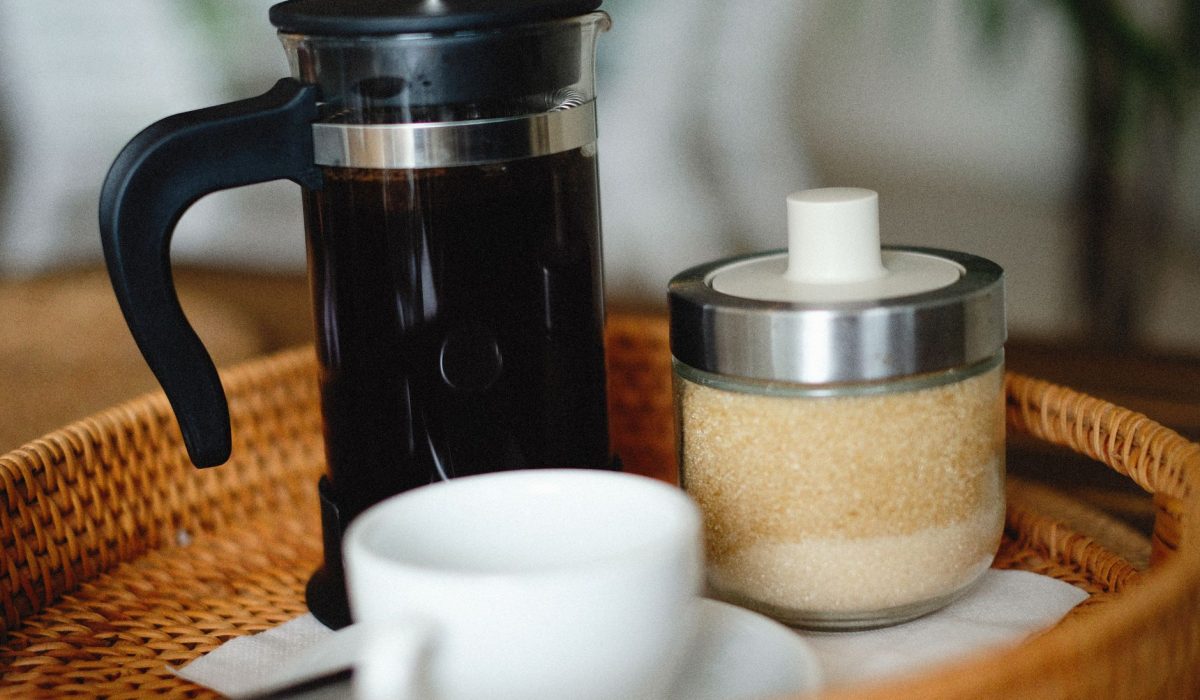
Many French press drinkers discard more usable coffee than they realize each morning. The problem usually comes from what happens after brewing, not from the brewing method itself. Liquid remains trapped in the grounds, while a rushed pour leaves coffee behind.
Adjusting the grind, steeping time, plunging technique, and cleanup routine extracts more from the same dose. Once the waste is measured, the habit becomes easy to correct with a few practical changes.
Why Grounds Stay Saturated
A French press leaves brewed coffee around the grounds inside its beaker. Coarse particles also hold liquid in their spaces, especially after the plunge. A French press coffee maker for sale gives the brewer control over chamber size, filter movement, and pouring speed. That control matters because a rushed pour leaves more coffee behind, while an aggressive plunge pushes sediment through the mesh and into the cup.
The most wasteful habit is leaving the finished brew in the press. Coffee continues to sit against the grounds, which increases bitterness and makes the remaining liquid harder to separate. Pouring the entire batch immediately after pressing keeps the flavor balanced and leaves less usable coffee mixed with the grounds.
Correct the Grind and Dose
Water can easily pass through the coffee bed with a coarse, uniform grind because there is less resistance. Fine particles settle between larger pieces, blocking the filter and trapping more liquid. They also create a muddy bed that holds coffee after plunging.
The coffee-to-water ratio affects waste as well as strength. Too much coffee creates a deep, compact bed that retains more liquid. Measuring the dose with a kitchen scale keeps each batch consistent. Gradual ratio adjustments preserve the desired strength without adding unnecessary grounds.
Freshly ground coffee often contains more particle variation than a carefully sorted commercial grind. Removing every powdery particle is impractical, but grinding slightly coarser reduces its effect. A slow, controlled plunge then passes through the bed with less pressure and leaves cleaner separation.
Control Water and Steeping Time
Water temperature changes extraction speed. Water that is too hot pulls bitter compounds quickly, while cooler water produces a thinner cup and encourages longer contact. Allowing boiled water to cool briefly creates a more controlled starting point.
Steeping time should match the grind and dose instead of following a rigid routine. A coarse grind usually needs longer contact than a fine grind, but extending the brew after the flavor is balanced extracts more from the grounds. A timer prevents accidental over-steeping during breakfast preparation.
Stirring also affects how much liquid remains in the coffee bed. One gentle stir after adding water breaks up dry pockets and wets the grounds evenly. Repeated stirring creates a finer suspension, which slows filtration and leaves more liquid behind after plunging.
Press Slowly and Pour Completely
The plunger should move steadily with light pressure. Forcing it downward compresses the grounds and pushes fine particles through the filter. It also drives liquid into the bed, where it remains after the first pour.
After plunging, the brewer should pour the entire batch into a mug or serving vessel. Tilting the press gradually helps drain liquid from the upper side of the grounds. A pause of several seconds allows the remaining coffee to pass through the mesh without another plunge.
Leaving a small amount behind seems harmless, but repeated losses add up. A press used daily can discard several mouthfuls during each brew. That leftover coffee also carries more sediment, so separating it into a small cup preserves usable liquid without clouding the main serving.
Clean the Press Without Losing Coffee
Cleanup becomes easier when the brewer first drains the press completely. Adding water immediately dilutes the trapped coffee and spreads it across the filter, lid, and beaker. A spoon or spatula removes the compact grounds with fewer rinses.
The grounds should go into compost or household waste after the liquid drains. Running them down a sink encourages clogs, especially when oils combine with residue inside the pipes. Rinsing the mesh under moderate water pressure removes fine particles without forcing them deeper into the filter.
A quick inspection after washing prevents old grounds from affecting the next batch. Residue around the plunger can add bitterness and restrict movement. Drying the parts separately also limits stale odors and keeps the filter ready for the next brew.
Conclusion
The wasted coffee usually comes from saturated grounds, an overfilled press, or a hurried pour. A coarse grind, measured dose, controlled steep, gentle plunge, and complete first pour solve these problems without using more beans.
The most useful next step is simple: brew the usual recipe, weigh the leftover liquid before cleanup, then repeat the process after changing one habit. That comparison shows exactly where the press is losing coffee.