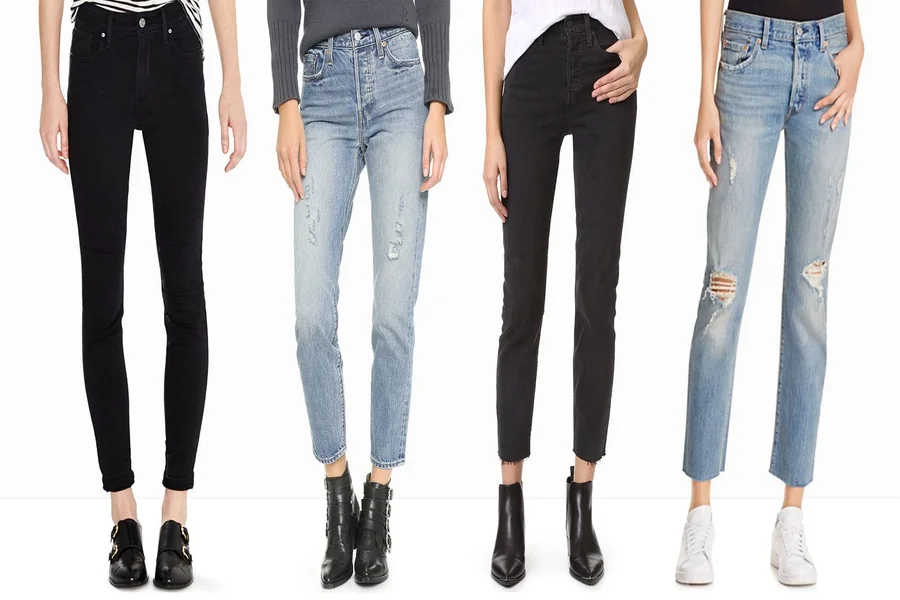
Skinny denim dominated men’s wardrobes for years, but straight legs now provide a more balanced option for everyday dressing. The change reflects practical needs as much as shifting taste.
A straight cut gives the leg room without creating a loose, oversized shape, making it easier to wear with casual shirts, knitwear, jackets, and boots. It also works across different body types and settings. The shift becomes clearer by looking at fit, styling, fabric, and daily comfort.
Why Straight Legs are Aaining Ground
A straight leg keeps a consistent width from the thigh through the hem. That shape creates a clean outline without gripping the calf or stacking heavily around the ankle. Skinny jeans narrow sharply below the knee, which limits footwear choices and makes the entire outfit appear more fitted.
Straight denim also matches the relaxed proportions seen in current menswear. Roomier overshirts, lightweight jackets, and substantial sneakers need a trouser shape with enough visual weight below the waist. A straight leg provides this balance while maintaining a tidy appearance.
The straight fit jeans collection inspected for this article includes several practical directions for a modern wardrobe. It lists dark gray, navy, black, indigo, and cream options, along with denim and twill trousers. Shoppers can compare classic colors with lighter alternatives, then choose a fabric and rise that suit their usual outfits and preferred level of movement.
Comfort Without Excess Fabric
Fit affects comfort throughout a full day. Skinny jeans keep close contact with the thighs and calves, which can restrict movement while sitting, climbing stairs, or walking longer distances. Straight denim leaves controlled space around the leg, so the wearer gets mobility without the bulk of a relaxed cut.
Fabric also changes the experience. The inspected collection includes a 14-ounce authentic aged selvedge style, an organic cotton option, and stretch denim described as high-flex. These details matter because a rigid, heavier fabric feels different from a flexible pair intended for frequent movement.
A straight cut works best when the waistband sits securely and the seat does not pull. The thigh should allow a pinch of fabric without sagging, while the hem should rest cleanly over the chosen shoe. Those checks create a sharper fit than simply choosing a larger size.
How to Style Straight Fit Jeans
Dark straight jeans create the easiest starting point. A tucked Oxford shirt and leather belt suit a polished casual setting, while a plain T-shirt and low-profile sneakers create a simpler weekend outfit. The consistent leg line keeps both combinations organized.
Lighter washes and cream twill change the mood without requiring a new approach. They pair well with navy overshirts, textured sweaters, or casual sport coats. Black denim provides a sharper alternative for evening plans, especially with a fine-gauge knit and streamlined boots.
Footwear determines the final proportion. A straight hem should sit lightly on a sneaker or boot rather than covering the upper completely. Chunkier shoes need enough hem width to prevent bunching, while narrow shoes look cleaner with a modest break.
Are Skinny Jeans Out of Vogue?
Skinny denim has not disappeared. It still suits wearers who prefer a close silhouette, slimmer layers, and a sharper ankle line. Its limitations appear when an outfit includes heavier tops, larger footwear, or a more relaxed profile.
Straight jeans now occupy more situations with fewer styling adjustments. They work with casual tailoring, everyday knitwear, workwear-inspired layers, and many shoe shapes. That flexibility explains why straight denim feels less like a seasonal replacement and more like a dependable wardrobe standard.
The shift also reflects a move toward clothes that support movement. People still care about a defined shape, but they increasingly expect jeans to handle commuting, sitting, and walking without constant adjustment. Straight denim meets that demand by using proportion instead of excess fabric.
Choosing the Right Pair
Start with the intended use. A rigid selvedge pair suits structured outfits and develops visible character through wear, while stretch denim fits routines that require more freedom. A darker color works across more settings, whereas light denim and cream trousers bring a more casual effect.
Next, check the rise and thigh. A medium rise generally sits comfortably around the waist, but the correct choice depends on the wearer’s body and preferred shirt length. The thigh should follow the leg without clinging, and the knee should retain a straight path toward the hem.
Finally, assess the length with the usual footwear. A small break creates a traditional appearance, while a shorter hem produces a cleaner sneaker profile. Trying the jeans with more than one shoe prevents a fit that works for only one outfit.
Conclusion
Straight fit jeans are gaining ground because they combine a defined outline with easier movement and broader styling options. They do not need to eliminate skinny denim to become the better everyday choice.
A useful next step is to compare one dark straight pair with a lighter or textured alternative, then test each with the shoes and layers already in the closet. The right pair should sit securely, move comfortably, and keep a clean line through the hem.