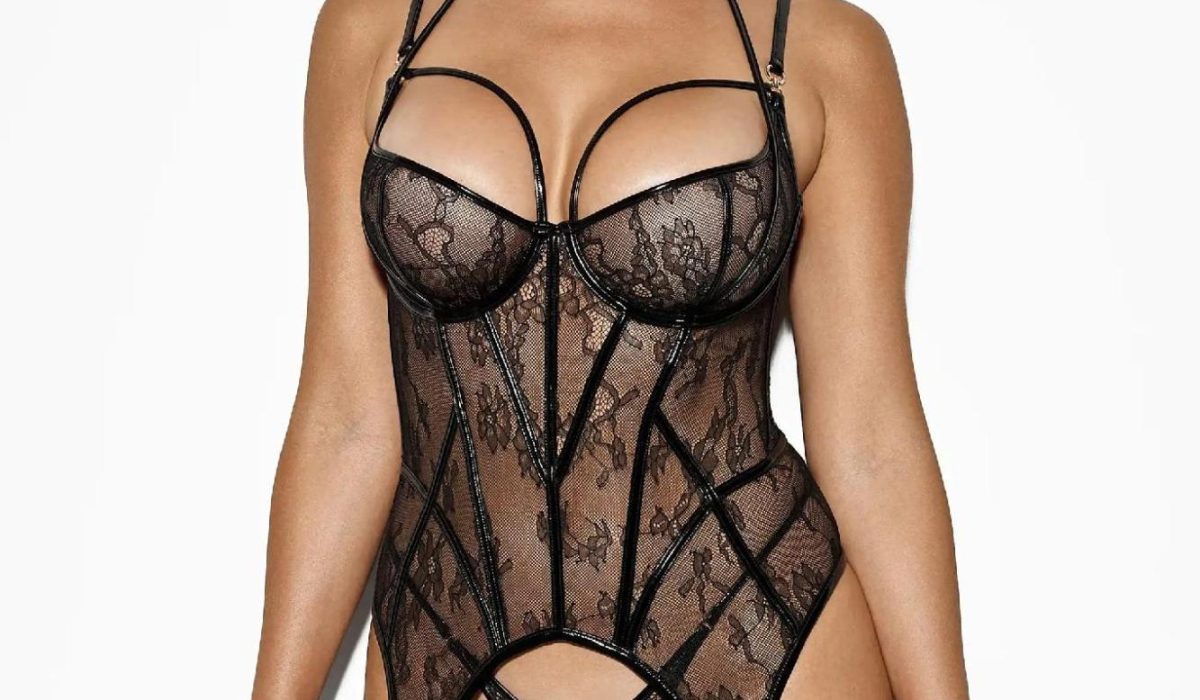
Lingerie-inspired fashion has confidently stepped out of the shadows, transforming once-intimate pieces into standout statements for bold evening and everyday looks. These two garments are the central figures of this transformation – the classic shaping corset and the elegant bustier top. Women often confuse them due to their visual similarity, yet the internal design of these pieces is completely different. Understanding these construction nuances helps avoid disappointment during wear.
Base Construction and Rigidity Secrets
The fundamental distinction between these two elements of clothing is found along the line of inner engineering. An authentic corset is invariably more about the dramatic construction. The cut employs the highest quality vertical steel or high-density composite bones for the best support and a perfectly shaped outline. The fabric itself here is usually dense, multi-layered, and capable of withstanding the colossal tension of lacing.
A completely different philosophy is demonstrated by the classic bustier top. This is a lightweight, soft construction whose task is to delicately fit the body rather than alter its parameters. Rigid bones here, if present at all, are purely symbolic – soft silicone or thin plastic wires that only hold the shape of the top itself, preventing it from bunching into folds at the waist. To compare their properties, it is useful to look at the baseline parameters:
- Base construction. The shaping corset offers steel or specialized composite plates, while the bustier relies on light textile seams and elastic mesh.
- Cinch function. A corset reduces waist circumference by 5 to 12 centimeters due to tight lacing, while a top merely follows the natural lines of the body.
- Securement on the body. The corset holds itself up thanks to the tight grip around the ribs, whereas a bustier most often requires straps or a silicone strip along the edge of the cups.
It all comes down to the ultimate objective of the look. For a drastic body transformation and a more pronounced hourglass shape, a tight sexy corset is, of course, indispensable. Famous premium label Mariemur designs these kinds of items with a focus on impeccable lines and luxury materials, turning what is traditionally a standard piece of clothing into a statement of self-assurance.
Breast Support Specifics and Anatomical Comfort
The shaping of the décolletage area in these garments relies on fundamentally different principles. A bustier is closer to a classic bra – it necessarily has cups, sometimes with a push-up function or underwires, which push the breasts up and secure them from below.
In a shaping corset, the breasts are supported from below and on the sides due to the overall pushing effect of the entire corset body. Perhaps that is why the top lines in corsets are usually straight or heart-shaped, but they rarely repeat the anatomical shape of a classic bra.
Freedom of Movement and Sitting
The rigid bones of a corset demand royal posture. Sitting or moving requires adjustment, as the structure limits slouching and applies noticeable pressure to the lower ribs. A bustier top, on the other hand, is totally flexible. Mesh, silk, or soft leather elastic inserts adapt to every move; it is great for dance, driving, and all-day wear.