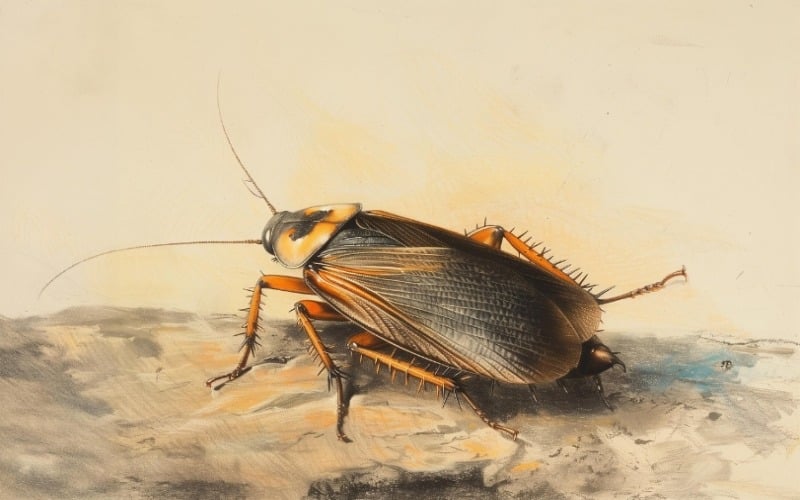
Nothing shatters the illusion of a peaceful home faster than seeing a cockroach darting under the fridge or a line of ants parading across the kitchen counter. Pests aren’t just unwelcome; they’re relentless.
Once they find a way in, they make themselves comfortable, multiplying in dark corners and crevices, waiting for the perfect moment to scuttle across the floor.
Many people reach for chemical sprays, but the strong fumes and lingering toxins often feel like trading one problem for another. The real key to pest infestation isn’t just killing bugs; it’s making sure they never move in again.
With a few strategic methods, a home can be turned into an environment that insects and rodents find utterly unlivable. The goal is simple: reclaim your space without resorting to drastic, toxic measures.
- Hire Professional Pest Control Service
Pests get out of control quickly and turn a minor infestation into a full-blown invasion.
In such a situation, professional pest control gives you immediate relief and long-term prevention. Experts assess the severity of the problem, find entry points, and apply targeted treatments that break the breeding cycle.
Unlike store-bought sprays that give you a temporary fix, professional treatments get to the root of the problem.
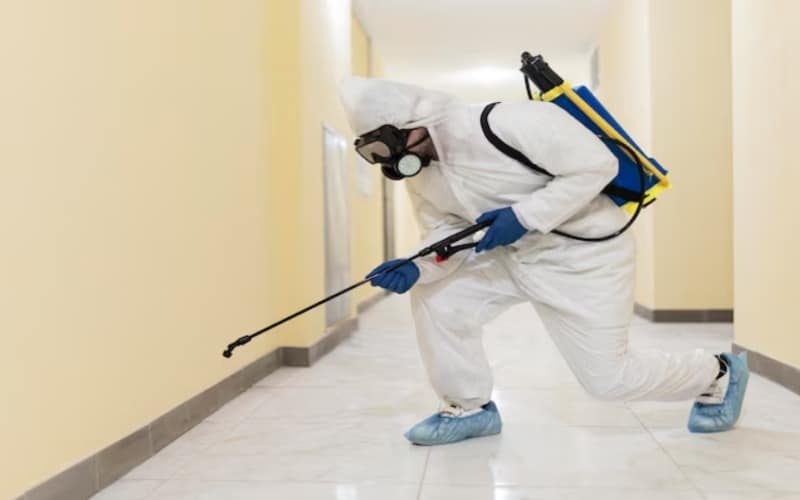
An experienced exterminator from services like Richmond Hill Pest Control will create a treatment plan for the specific pests in your home. Rodents require different methods than cockroaches, and termite infestations need separate treatments. Pest control professionals use an integrated approach, combining chemical, mechanical, and preventative measures to get rid of infestations.
Ignoring the problem or using home remedies will only make the infestation worse. Although the cost of professional pest control may seem high upfront, it prevents structural damage, contamination, and future infestations.
Investing in professional intervention means a safer, pest-free living space in the long run.
- Sealing Entry Points
All the pest control treatments in the world won’t work if bugs and rodents can still get into your home. Sealing entry points is one of the most efficient ways to prevent infestations, but it’s often overlooked in favor of reactive solutions.
Exterminators look for cracks, gaps, and holes where pests can squeeze through. Windows, door frames and vents are common areas where bugs and rodents enter undetected. Sealing these gaps with caulk, steel wool, or weather stripping can significantly reduce infestations.
Homeowners underestimate just how small an opening needs to be for a pest to get in. Mice can fit through a hole the size of a dime, and cockroaches can flatten themselves to get through spaces thinner than a credit card.
A home inspection followed by sealing off entry points is one of the simplest and most effective pest control solutions.
- Diatomaceous Earth
Some pest control methods work in the shadows, eliminating unwanted visitors without leaving toxic fumes or sticky residues behind. Diatomaceous earth is one of them. This fine, powdery substance is made from crushed fossilized algae and is harmless to humans and pets but lethal to insects. When bugs crawl over it, the microscopic particles pierce their exoskeletons, dry them out, and kill them.
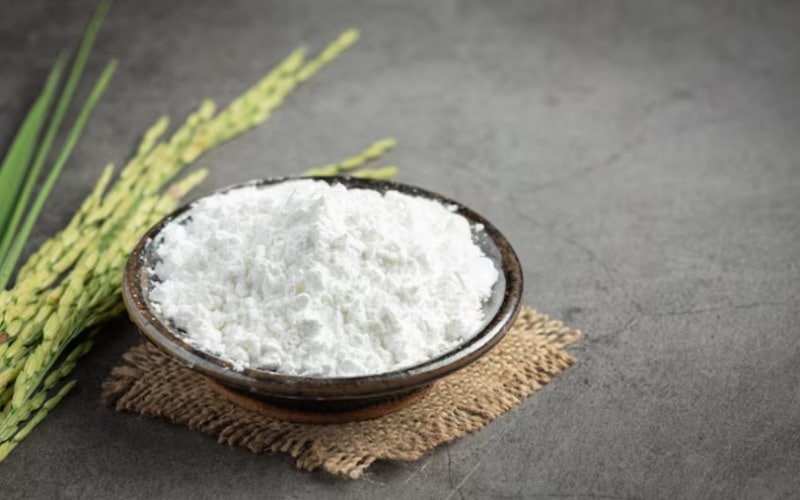
For the best results, apply a thin layer in high-traffic pest areas. Baseboards, under kitchen appliances, and behind cabinets are prime areas where insects travel. Since diatomaceous earth works through physical contact rather than chemicals, it doesn’t lose effectiveness unless wet. Reapply in dry areas regularly so pests have no safe passage through your home.
This method doesn’t provide instant results, but with consistent use, it will dramatically reduce insect populations. It is a long-term, chemical-free way to keep your home pest-free.
- Yard Maintenance
A nice yard is more than just nice—it’s a pest prevention tool. Overgrown grass, wood piles, and standing water are breeding grounds for mosquitoes, rodents, and all sorts of creepy crawlies. Manage your outdoor spaces, and pests will never make it to the front door.
Professionals recommend keeping shrubs trimmed and a buffer of gravel or stone around the home. This makes it harder for crawling insects to get in. Mosquitoes love standing water and can be kept at bay by emptying birdbaths, unclogging gutters, and making sure flower pots drain.
The type of plants in your garden can also make a difference. Certain varieties, like lavender, citronella, and marigolds, repel insects. A yard designed with pest control in mind not only looks good but also acts as an invisible barrier to unwanted intruders.
- Use Vinegar
Vinegar does more than add zing to a salad dressing; it’s a superhero when it comes to pest control. Ants, fruit flies, and even spiders hate its smell, so it’s a simple and effective deterrent. A mix of equal parts white vinegar and water can be sprayed along windowsills, doorways, and countertops to create an invisible barrier against these unwanted guests.
Beyond repelling pests, vinegar also eliminates the scent trails left behind by ants, which they use to navigate. Wiping down surfaces with a vinegar solution erases their path and blocks their way back. A shallow dish of apple cider vinegar left out in the kitchen is a fruit fly trap, luring them in and preventing them from multiplying.
Unlike chemical sprays, vinegar is non-toxic, cheap, and easy to find. It’s a must-have in any pest control kit and proves that the most straightforward solutions are sometimes the best.
Bottom Line
Bugs may be persistent, but they’re not invincible. The right techniques can turn things around without dousing your home in chemicals or despair. Some work instantly, others take time, but all prove one thing: pest control doesn’t have to be a brute force battle.
A home should be a sanctuary, not a war zone. With clever tricks, you can deter, redirect, and evict pests. They may be determined, but so are those who want to live without uninvited guests crawling across their counters.