The Advancements in Low-Pressure Sewer Systems: Benefits and Applications
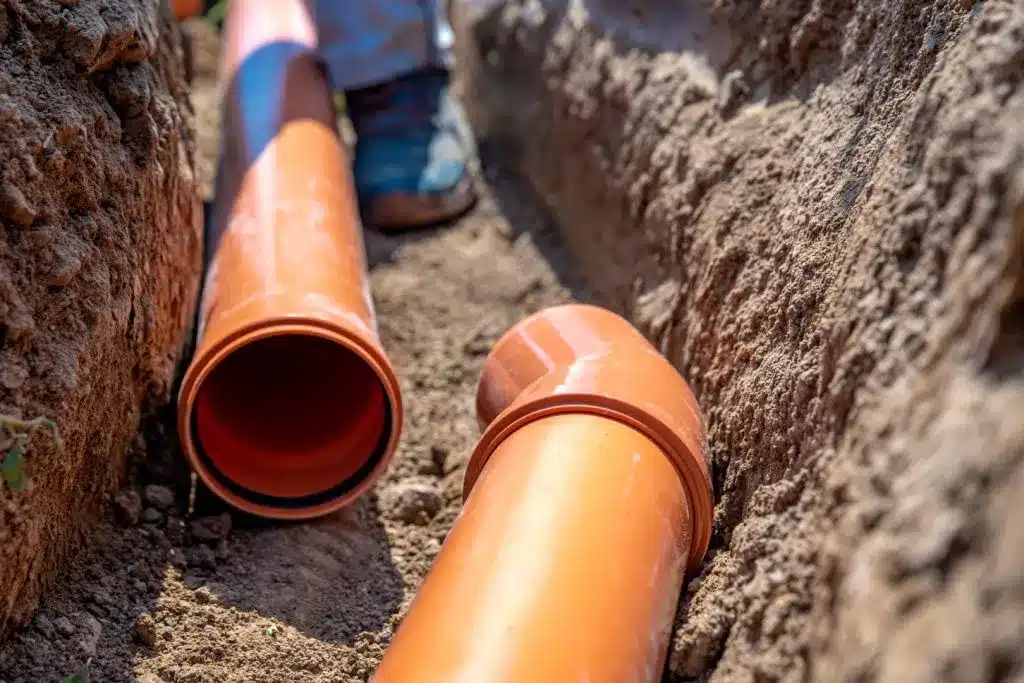
The quest for efficient and sustainable solutions has led to significant infrastructure and urban planning innovations, particularly in sewer systems. Among these, low-pressure sewer systems have emerged as a game-changer, offering a viable alternative to traditional gravity-fed systems. These advancements mirror the evolution in wastewater management, where technology and ingenuity converge to address contemporary challenges. This article looks into the advancements in low-pressure sewer systems, exploring their benefits and applications and highlighting how they transform the landscape of municipal and rural sewerage.
Understanding Low-Pressure Sewer Systems
With their innovative design, low-pressure sewer systems represent a significant shift from traditional gravity-fed sewer systems. Utilising a network of grinder pumps, these systems efficiently transport wastewater from residential or commercial properties directly to treatment facilities. This method is particularly advantageous in areas where conventional sewer systems are not feasible due to geographical constraints. The grinder pumps are installed near each property, ensuring that wastewater is effectively processed and conveyed through the system, even across varied terrains. This approach enhances the feasibility of extending sewer services to remote or difficult-to-access areas and significantly reduces the environmental impact associated with large-scale excavation and construction activities typically required for traditional sewer systems.
Enhanced Environmental Protection
Low-pressure sewer systems offer superior environmental protection by minimising the risk of sewage leaks and overflows. The sealed system prevents the infiltration of groundwater, which can lead to the dilution of wastewater and complicate treatment processes. These systems are critical in safeguarding water quality in nearby streams, rivers, and groundwater sources by ensuring that sewage is contained and transported securely to treatment facilities. Additionally, the precise control over wastewater flow offered by low-pressure systems allows for more efficient treatment, lowering the release of pollutants into the environment. This proactive approach to sewage treatment underscores the commitment to preserving natural resources and protecting ecosystem health.
Cost-Effective Installation and Maintenance
The economic advantages of low-pressure sewer systems are particularly compelling. Using smaller, flexible pipes and eliminating the need for deep trenches significantly reduce installation costs. This cost efficiency extends to the system’s maintenance as well. Grinder pumps, the heart of the low-pressure system, are designed for easy access and replacement, which lowers the costs and complexity of repairs. Furthermore, the modular system allows communities to expand or upgrade their infrastructure incrementally, aligning with budget constraints and growth patterns. This phased development approach ensures that investments in sewer infrastructure are manageable and scalable, reflecting a sustainable financial model for municipalities and developers.
Flexibility in Challenging Terrains
The adaptability of low-pressure sewer systems to challenging terrains offers a practical solution to extending sewer services in areas previously deemed unsuitable. Whether it’s the undulating landscapes of rural areas, the waterlogged grounds of coastal regions, or the dense bedrock of urban environments, these systems can be deployed with minimal disruption to the natural landscape. This flexibility not only preserves the aesthetic and ecological integrity of the environment but also opens up new possibilities for residential and commercial development. By enabling efficient sewage treatment in diverse settings, low-pressure sewer systems facilitate the responsible expansion of communities, ensuring that growth does not come at the expense of environmental sustainability.
Supporting Sustainable Development
Low-pressure sewer systems embody the principles of sustainable development by promoting efficient water use and supporting the conservation of natural resources. Their role in facilitating wastewater treatment and potential reuse aligns with global efforts to address water scarcity and promote recycling. Moreover, the energy-efficient operation of grinder pumps and the system’s overall low carbon footprint contribute to lowering greenhouse gas emissions associated with wastewater management. By integrating these systems into urban and rural planning, communities, along with greenhouse builders can balance development and environmental stewardship, ensuring sustainable and inclusive growth.
Enhancing Community Health and Well-being
Another point to consider is the impact of low-pressure sewer systems on community health and well-being. Traditional septic systems and poorly maintained sewer infrastructure can pose significant health risks, including the contamination of drinking water sources and the proliferation of waterborne diseases. By providing a reliable and efficient means of wastewater disposal and treatment, low-pressure systems mitigate these risks, contributing to communities’ overall health and safety. Moreover, reducing environmental pollution and preserving natural landscapes promotes residents’ well-being and quality of life, underscoring the broader social benefits of adopting low-pressure sewer systems.
Conclusion
In conclusion, the advancements in low-pressure sewer systems represent a significant leap forward in addressing contemporary wastewater management needs. From their enhanced environmental protection and cost-effectiveness to their flexibility and contribution to sustainable development, these systems offer myriad benefits that make them a compelling choice for municipalities, developers, and communities. As technology continues to evolve, low-pressure sewer systems are set to be increasingly vital in shaping the future of sewer infrastructure, ensuring that it is efficient and sustainable and accessible to all.