5 Key Factors To Consider For Agricultural Steel Buildings
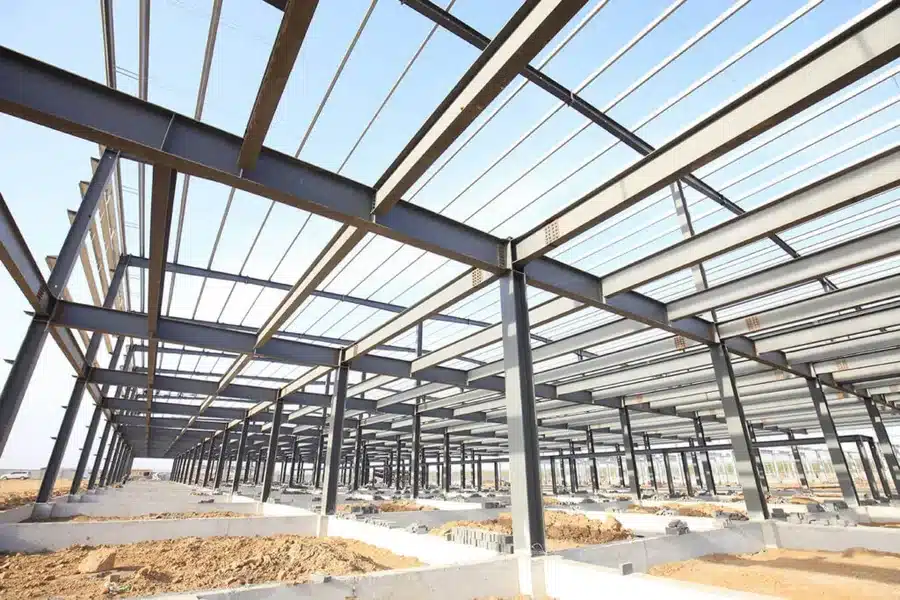
Steel structures have become a trusted choice for farmers seeking durable, cost-effective solutions. These buildings protect against extreme weather, pests, and fire, making them a reliable long-term investment. However, selecting the right one requires thoughtful planning to ensure it meets operational needs and stands the test of time.
Several factors must be evaluated when buying agricultural steel buildings, including size, ventilation, zoning laws, and customization options. Choosing high-quality materials, incorporating proper insulation, and ensuring adequate ventilation are essential for maintaining a functional and resilient structure. Additionally, local climate conditions, customization options, and compliance with building codes play a vital role in the building’s overall effectiveness. Whether you’re constructing a barn, storage facility, or livestock shelter, understanding these key factors will help you make informed decisions and maximize the benefits of your steel building.
1. Identify the Purpose and Future Requirements
Understanding the primary function of a steel structure is crucial before investing in one. Some farmers need storage for tractors and equipment, while others require a livestock shelter or processing facility. Determining the intended use helps choose the appropriate layout, size, and features.
It is also wise to plan for future expansion. If agricultural operations are expected to grow, selecting a flexible design can save money on future modifications. A well-thought-out structure should be adaptable to changing needs without requiring major reconstruction.
2. Research Local Building Codes and Permits
Each region has specific zoning laws and building codes that regulate the construction of steel structures. Some areas may have height, foundation type, or usage restrictions, impacting the final design. Checking these regulations beforehand prevents costly delays or compliance issues.
Additionally, permits may be required before starting construction. Consulting local authorities ensures that all legal requirements are met, allowing the project to proceed smoothly without unexpected obstacles.
3. Ensure Proper Ventilation and Insulation
Steel buildings require proper ventilation and insulation to maintain an optimal environment. Heat and moisture can accumulate without adequate airflow, leading to mould, rust, and discomfort for livestock. Ensuring proper air circulation prevents these issues and enhances the structure’s longevity.
Choosing the proper insulation is equally important. Insulated panels or spray foam can help regulate indoor temperatures, reducing energy costs while protecting equipment, feed, or livestock. The right combination of ventilation and insulation will create a comfortable and efficient workspace.
4. Ensure High-Quality Materials
The durability of a steel building depends mainly on the quality of materials used. Thicker gauge steel, galvanized coatings, and reinforced frames help enhance strength and weather resistance. Investing in premium materials ensures a longer lifespan and reduces maintenance costs.
Customization options also play a key role in making the structure more functional. Features like skylights, large entryways, and additional storage space can improve usability. Selecting the right add-ons can increase efficiency and productivity on the farm.
5. Work with a Reputable Steel Building Supplier
Selecting the right provider is just as important as choosing the proper structure. A trusted supplier offers expert guidance, ensuring the building meets industry standards for strength and durability. Reliable companies also provide transparent pricing and support throughout the purchase and installation.
Many suppliers offer steel building structures specifically designed for agricultural use. Their buildings come in various sizes and layouts, catering to different farming needs. By prioritizing quality and functionality, they help farmers invest in structures that serve them well for decades.
Agricultural steel buildings offer a long-lasting and cost-efficient solution for farmers. However, factors such as purpose, zoning regulations, ventilation, materials, and supplier reliability must be carefully assessed before purchasing. A well-planned decision ensures the structure remains functional, durable, and adaptable to future farming needs, making it a valuable investment for years.