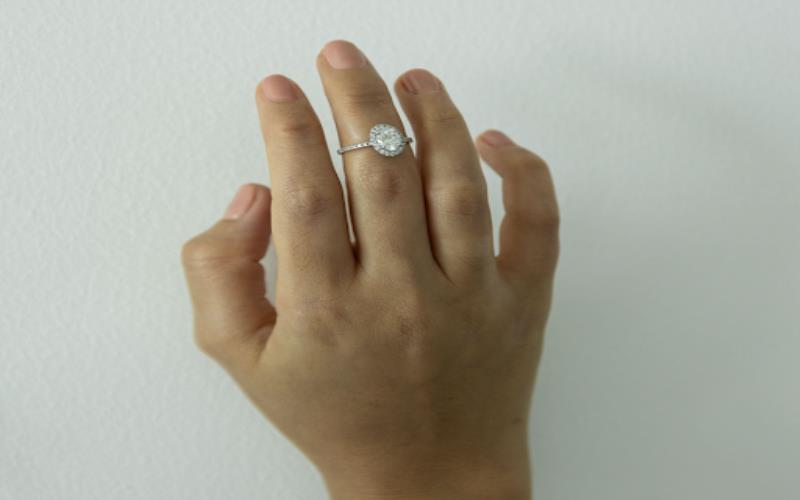
When you think of diamonds, you’re probably focused on the 4 C’s – clarity, cut, color and carats. But there’s more to classifying diamonds than that – there are actually many different types. If you’re looking to invest in diamond jewellery or you’re planning on popping the question soon, here’s everything you need to know about all the different types of diamonds out there for the picking.
-
Natural Diamonds
Natural diamonds are precious stones formed deep within the Earth over millions of years. They are composed of pure carbon atoms arranged in a specific crystal structure, giving them their iconic sparkle and hardness.
Unique Features
- Hardness: Diamonds are the hardest known natural material, making them incredibly durable and resistant to scratches.
- Brilliance: Their crystal structure allows light to refract and reflect in a way that creates a dazzling sparkle.
- Rarity: Diamonds are relatively rare which adds to their often hefty price tag.
- Timelessness: Diamonds have been prized for centuries and continue to be popular in jewelry and other items.
-
Lab-Grown Diamonds
Lab-grown diamonds are also called man-made diamonds and have grown massively in popularity in recent years. Lab-grown diamonds cost between 50 to 60% cheaper than natural diamonds, adding to their allure. Technological advances have meant manufacturers can know create lifelike replicas that are close to impossible to tell apart from a natural diamond (unless you’re an expert).
Unique Features
- Controlled Environment: Lab-grown diamonds are created in a controlled laboratory environment, allowing for precise control over their size, shape, and quality. This can result in diamonds with fewer imperfections compared to some natural diamonds.
- Ethical Sourcing: Lab-grown diamonds are not mined from the Earth, eliminating the ethical concerns associated with the mining of natural diamonds, such as child labor, conflict diamonds, and environmental impact.
- Affordability: Because lab-grown diamonds can be produced more efficiently and without the overhead costs associated with mining, they are often more affordable than natural diamonds of comparable size and quality.
- Customizability: Lab-grown diamonds can be customized to specific specifications, allowing for unique and personalized designs.
-
Treated Diamonds
Treated diamonds are natural diamonds that have undergone various processes to enhance their appearance or durability.These treatments can range from simple cleaning and polishing to more complex procedures that alter the diamond’s color or clarity.
Here are some common types of treated diamonds:
- Heat Treated Diamonds: This involves heating the diamond to high temperatures to improve its color or clarity. For example, yellow diamonds can be heated to remove their color and create a colorless diamond.
- Laser Treated Diamonds: Laser treatment is used to remove certain inclusions (internal flaws) from diamonds.This can improve their clarity and overall appearance.
- Clarity Enhancement Treatments: These treatments aim to improve the clarity of diamonds by filling in microscopic cracks or fissures with a clear substance. This can make the diamond appear less cloudy or hazy.
- Color Enhancement Treatments: These treatments can alter the color of a diamond, either by intensifying its natural color or creating a new color entirely. For example, some treatments can turn brown diamonds into blue or green diamonds.
Final Takeaway
These are the most common types of diamonds you’ll find in most jewellery, including gold bracelets from FYNEJewellery.com. It’s ok if you have a personal preference but it can be helpful to explore all your options before making a final (expensive) decision.