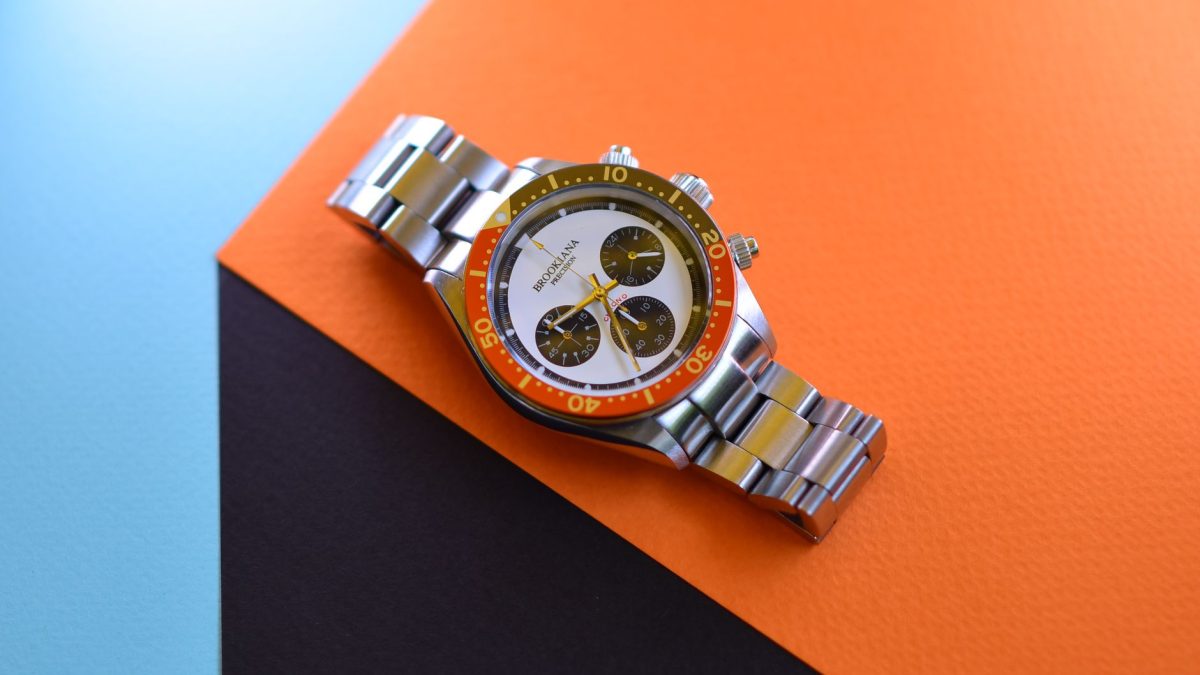

Racing-inspired chronographs combine precise timing, mechanical complexity, and unmistakable visual character. Their appeal reaches beyond collectors who follow motorsport or traditional watchmaking. Buyers also value their practical layouts, durable cases, and recognizable histories. In the pre-owned market, these qualities support steady demand for models that remain wearable years after release. The result is a category shaped by performance, design, and proven desirability. Several details explain why these chronographs continue to command attention.
Racing Heritage Gives Chronographs Lasting Appeal
A racing chronograph connects the wristwatch with measured speed, lap timing, and driver-focused instrument panels. Its subdials track elapsed time, while a tachymeter scale converts speed and distance into a readable calculation. These functions give the dial a practical purpose beyond displaying hours and minutes.
Design also matters. High-contrast markers, contrasting subdials, and a clear central seconds hand improve readability. A well-proportioned case keeps the watch useful for daily wear, whether it accompanies a business suit or casual clothing.
Collectors often seek a model that communicates its purpose immediately. That clarity separates a racing chronograph from a dress watch with a decorative complication.
Why The Daytona Remains A Reference Point
The men's Rolex Daytona remains closely associated with racing-inspired luxury watches because its name, dial layout, and chronograph function are instantly recognizable. Buyers comparing pre-owned examples usually examine the case condition, bracelet integrity, dial configuration, movement performance, and service history. Those checks help distinguish a carefully maintained watch from one that simply looks attractive in photographs.
The Daytona category also benefits from a wide range of designs. Stainless steel cases create a sport-focused appearance, while precious-metal versions bring a dressier presence. Dial colors and subdial arrangements change the character without removing the model’s central identity.
This range gives buyers room to choose according to wearing habits, collection goals, and budget. It also keeps the category relevant for first-time luxury buyers and experienced collectors alike.
What Drives Pre-Owned Demand
Pre-owned buyers often want access to discontinued configurations, older production details, or references that are difficult to find through current retail channels. A used luxury chronograph can provide that access without requiring a buyer to wait for a new allocation.
Condition remains one of the clearest price factors. A sharp case preserves the original lines, while a clean bezel keeps the tachymeter scale legible. Original parts also matter because replacement bezels, dials, hands, and bracelets can affect both appearance and collector interest.
Documentation adds useful context. Service records show how the watch was maintained, and matching accessories help establish a more complete ownership history. While these details don't replace an inspection, they give buyers better information before purchase.
How To Assess A Pre-Owned Chronograph
Start with the reference and production details. Confirm the case material, dial configuration, bracelet, and movement before comparing prices. Photographs should show the case sides, lugs, clasp, bezel, dial, and caseback clearly.
Next, inspect the chronograph operation. The start, stop, and reset functions should respond cleanly, with the hands returning precisely to their starting positions. When those details aren't documented, a qualified watchmaker should assess timekeeping, water resistance, and movement condition.
Look closely at polishing. Excessive refinishing can soften lug edges and reduce the crisp geometry that collectors expect from a high-grade sports watch. Scratches are often easier to evaluate than altered case lines because they show the watch’s current condition honestly.
Finally, compare the seller’s description with the photographs. Any mismatch involving the reference, materials, accessories, or service record deserves clarification before payment.
The Value Of A Clear Buying Plan
A buyer should first decide how they will wear the watch. Frequent daily use favors a durable bracelet, a readable dial, and a case with limited wear. Occasional ownership lets buyers focus more on rarity, materials, or a particular historical configuration.
Budget planning should include future servicing. A mechanical chronograph contains more components than a simple time-only watch, so maintenance requires specialized work. Buyers should also allow for insurance, secure storage, and periodic inspections.
The best purchase balances condition, provenance, usability, and personal preference. Market popularity matters, but it should support a reasoned decision rather than replace one.
Conclusion
Racing-inspired chronographs remain highly sought after because their design communicates purpose, their functions remain practical, and their histories give collectors clear points of interest. The Daytona sits at the center of this demand, with pre-owned examples offering varied materials, dials, and ownership histories. Buyers should compare references, inspect case condition, verify chronograph operation, and review service records before committing. A careful inspection and a realistic maintenance budget are the safest next steps toward a lasting purchase.