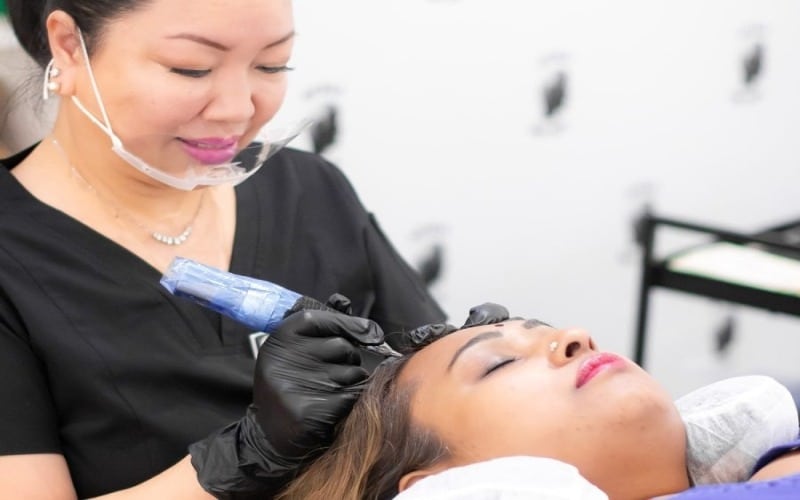
Scalp micropigmentation has emerged as one of the most effective solutions for hair loss and scalp scarring. It’s a delicate procedure that requires substantial knowledge and skills for optimal results. The procedure involves injecting tiny dots of pigment into the scalp to appear as natural follicles. For anyone interested in mastering this art, undertaking a scalp micropigmentation course is the first step towards gaining the necessary expertise and practical know-how. This blog post delves into the art and science behind scalp micropigmentation, exploring the course curriculum in detail.
The Art Aspect of Scalp Micropigmentation
The artistry behind scalp micropigmentation lies in creating the perfect illusion of a follicle pattern that appears natural and seamless. Mastering this art requires understanding different hairline patterns, skin tones, and hair densities. The art aspect is as much about aesthetics as technical precision because a nuanced aesthetic sense can significantly elevate the end result.
The Science Aspect of Scalp Micropigmentation
The scientific side of scalp micropigmentation is just as critical as the art. It encompasses the knowledge pertaining to skin anatomy, understanding the ideal depth for pigment implantation, and knowing how ink reacts to different skin types over time. This scientific knowledge allows practitioners to avoid common pitfalls like pigment migration and discolouration.
The Course Curriculum
A comprehensive scalp micropigmentation course typically covers both these art and science aspects in detail.
Anatomy and Physiology
Students get to learn about the human skin’s anatomy, including the epidermis, dermis, and subcutaneous tissue layers. They also undergo training about the skin’s healing process post procedure.
Colour Theory and Skin Tones
Understanding the interplay of pigment colours and skin tones is crucial for creating natural-looking effects. The course teaches concepts like colour wheel, colour undertones, cool and warm colours etc.
Pigment Application Technique
As the primary procedure, the art of pigment application sets the foundation for any successful scalp micropigmentation specialist. This includes needle selection, machine operation, and knowing the correct injecting technique.
Client Consultation and Aftercare
Proper client communication skills are necessary for setting expectations, taking a thorough health history, and discussing aftercare instructions.
Health and Safety Regulations
Finally, but importantly, a course should educate practitioners about meeting the highest safety standards, especially since they will be working with needles and skin.
Conclusion
The art and science of scalp micropigmentation is a perfect blend of aesthetic sense, scientific understanding, and technical precision. By undertaking a comprehensive training course, budding practitioners prepare themselves to deliver high-quality, natural-looking results that can drastically improve their clients’ appearance and confidence. So whether you are an experienced artist, a beginner, or making a career change, the journey to becoming a scalp micropigmentation specialist can be both personally and professionally rewarding.