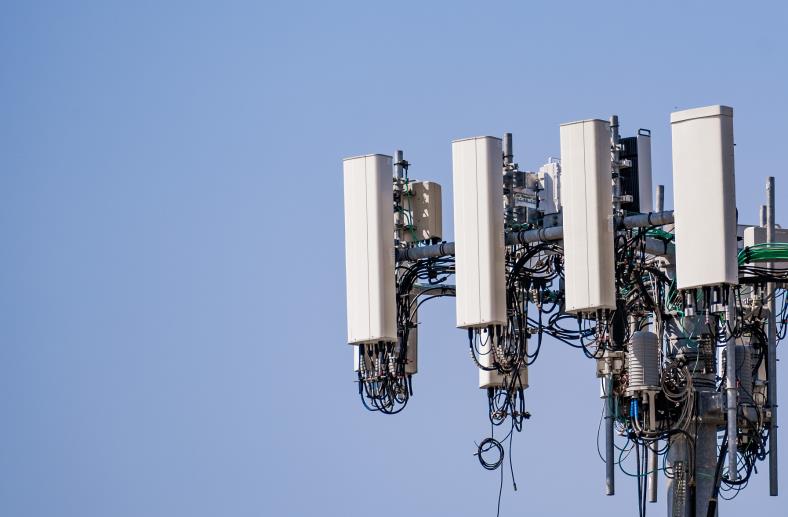
As Australian workplaces continue to evolve, incorporating cutting-edge wireless technologies and devices, a new dimension of occupational health and safety concern emerges: Radio Frequency Radiation (RFR). RFR, a subset of Electromagnetic Field (EMF) Radiation, is omnipresent in modern environments, emanating from mobile phones, wireless networks, and other RF-emitting devices. Its inclusion in discussions about electrical hazards is not just relevant but essential for ensuring a holistic approach to workplace safety.
The Unseen Hazard: RF Radiation in Australian Workplaces
Radio Frequency Radiation is part of the electromagnetic spectrum, emitted by various devices that are staples in both personal and professional settings, such as cellular phones, Wi-Fi routers, and even microwave ovens. In more industrial contexts, RF radiation is a byproduct of radio communication systems and specialized machinery. Although invisible, the potential health implications of RF radiation, particularly at levels exceeding safe exposure limits, are significant and warrant attention.
Understanding the Health Risks
The debate and research around the health effects of RF radiation are ongoing and complex. Immediate, short-term exposure to very high levels of RF radiation can lead to thermal injuries, as the radiation causes tissue heating. While regulatory measures typically keep workplace exposure well below these dangerous levels, the long-term consequences of lower-level exposure remain a point of concern and investigation. Potential associations with cancer, cognitive impairments, and reproductive issues have been explored, with a general consensus pointing towards the need for further research to clarify these risks.
Australia’s Regulatory Response
In Australia, guidelines for RF radiation exposure are established by the Australian Radiation Protection and Nuclear Safety Agency (ARPANSA) and enforced by the Australian Communications and Media Authority (ACMA). These standards, rooted in the International Commission on Non-Ionizing Radiation Protection (ICNIRP) guidelines, aim to shield the public and workers from adverse exposure effects, setting forth maximum exposure levels across different frequencies.
Strategies for Mitigating RF Radiation Exposure
Australian employers are tasked with mitigating RF radiation risks through several means:
- Assessment and Monitoring: Conducting regular evaluations of RF radiation levels, particularly in zones heavily reliant on RF-emitting technology.
- Engineering Controls: Utilizing physical barriers or spatial modifications to diminish exposure, including workspace redesigns or the use of materials that block or absorb RF radiation.
- Administrative Controls: Implementing policies that limit exposure time and educate employees on RF safety, potentially integrating this knowledge into online workplace inductions.
- Personal Protective Equipment (PPE): Employing RF protective clothing when other control measures fall short in minimizing exposure.

Leveraging Technology for Safety
Technological advancements present new avenues for managing RF radiation exposure, with sensor-equipped devices offering real-time exposure data. Moreover, fostering a safety-conscious culture, where employees are well-informed about RF radiation sources, potential health impacts, and protective measures, is crucial for empowering them to actively participate in their own safety.
Addressing the Growing Concern of RF Radiation
The recognition of RF radiation as an occupational hazard necessitates a comprehensive safety strategy that includes traditional electrical risks and the emerging threat of electromagnetic fields. By adhering to established regulations, employing effective risk management practices, and promoting safety awareness, employers can protect their workforce from the diverse dangers of today’s digital workplace.
Highlighting RF radiation within the broader electrical safety narrative reflects the changing landscape of workplace hazards in the digital era. As technological advancements progress, so too must our approaches to worker protection, ensuring that safety continues to be a priority in Australia’s dynamic industrial landscape.
The growing sector of EMF shielding solutions also represents a proactive approach to reducing RF radiation exposure, with an increasing number of companies offering specialized services to address this need.
Try Induct For Work Free for 14 days – your Online Induction Management Tool