Introduction to Dental Veneers and Crowns
Dental veneers and crowns often come to mind when enhancing your smile. Both serve to restore aesthetics and function, yet they are distinct in their application. Understanding these options, veneers vs crowns, can assist you in making the best choice for your dental needs. A great smile significantly boosts confidence and social interactions, and the right dental procedure can play a crucial role in achieving this. A good dental strategy isn’t just about aesthetics; it’s about improving oral health and providing the foundation for a lifetime of strong, healthy teeth.
Key Differences Between Veneers and Crowns
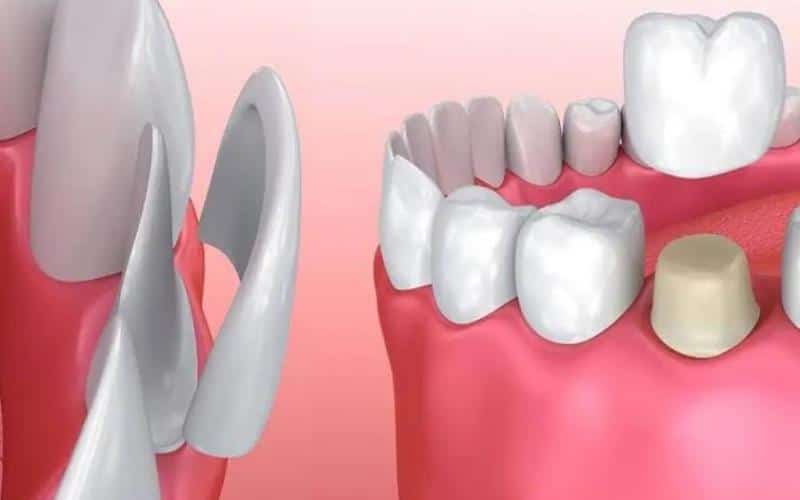
While veneers and crowns are used in dental restoration, they differ in coverage and purpose. Veneers are thin shells, often made of porcelain, that cover only the front surface of the teeth. They are ideal for addressing minor cosmetic issues such as discoloration, slight misalignment, or small chips. On the other hand, crowns encompass the entire tooth structure, providing cosmetic benefits and structural support to teeth that are significantly decayed or damaged.
According to Healthline’s guide on dental differences, the decision between veneers and crowns revolves around the extent of damage and the long-term goals for one’s smile. Veneers might be the preferred option for someone seeking an aesthetic upgrade for healthy teeth. Conversely, crowns are often necessary for restoring tooth function where damage or decay is extensive, offering a more robust solution.
Factors to Consider When Deciding
The choice between veneers and crowns involves several considerations. Material longevity, personal dental history, and the condition of your teeth play crucial roles. Veneers are generally suitable for minor aesthetic adjustments, allowing you to enhance your smile with minimal tooth alteration. However, veneers may not be the best choice for individuals with significant tooth damage or extensive fillings. For instance, Champaign Dental Group provides expert guidance to help clients make informed decisions, ensuring they choose the best option for their dental health and aesthetic goals.
Crowns, being more comprehensive, are the go-to for teeth that need significant restoration, allowing for full functionality and longevity. While veneers are lauded for their natural appearance and ability to mimic a real tooth’s light reflection properties, crowns offer strength and protection against further wear and tear, making them ideal for molars and premolars with higher functional demands.
The Procedure: What to Expect
The process can take several dental visits to complete, beginning with a thorough consultation. The initial appointment usually involves preparing the tooth and creating an impression for the custom veneer or crown. Temporary coverings may be used while waiting for the permanent solution. For veneers, minimal enamel may be removed to ensure a perfect fit, while crowns often require more significant reshaping of the existing tooth.
Moreover, Tom’s Guide on Dental Procedures explains that understanding each step can help individuals feel more at ease and prepared. This process includes the technical steps involved and addresses questions or concerns about aftercare and maintenance. The final steps involve securely bonding the veneer or crown to the tooth, ensuring comfort and a natural appearance.
How to Maintain Veneers and Crowns
Both veneers and crowns require careful maintenance to ensure their longevity. This includes regular brushing, flossing, and avoiding habits that could cause damage, such as chewing on hard objects or grinding teeth. While veneers are resistant to staining and offer a durable option for many, they must be treated with care to avoid chips or cracks.
Regular dental check-ups are essential for monitoring the condition of your restorations and ensuring that they remain in optimal shape. Dental professionals can provide tailored advice on maintaining oral health and the longevity of your dental work. Investing in high-quality toothpaste tailored for dental work can also contribute to longer-lasting veneers and crowns.
Cost Considerations
The financial aspect is a significant part of the decision-making process. Veneers tend to be less expensive initially, but the need for replacements over time can add to their cost. Crowns are typically more costly upfront but might offer longer-term durability, making them a potentially more economical choice over time.
It’s important to discuss payment options and insurance coverage with your dentist to ensure that your choice aligns with your budget. Many practices offer financing solutions and resources to help manage these expenses, providing an avenue to achieve the desired results without compromising quality or aesthetic appeal.
Common Questions About Veneers and Crowns
Some typical inquiries revolve around the lifespan of veneers and crowns, their potential for staining, and whether they can be removed. Generally, veneers and crowns can last for many years with proper care, although veneers are more prone to chipping, and care should be taken with hard foods.
Both solutions have maintenance protocols, but neither veneers nor crowns will stop normal tooth decay processes under them, underscoring the importance of continuous good oral hygiene. Clearing these common doubts can significantly impact an individual’s decision-making process and overall satisfaction.
Wrapping Up: Making the Right Choice
The decision between dental veneers and crowns should be individualized, considering personal dental goals, lifestyle, and financial considerations. Both options offer functional and aesthetic benefits, but understanding the key factors will guide you toward an informed and satisfying choice for your dental health. Ideally, this comprehensive understanding aids in selecting the option that best aligns with your long-term smile goals and health aspirations.