Choosing the right construction equipment is crucial for project success. Two popular machines, the backhoe loader and the excavator, often top the list for their versatility and performance. Each has distinct advantages, depending on project requirements. This blog will help you compare these machines based on project size, space constraints, task types, and budget. Understanding their differences allows you to select the equipment that best matches your project’s needs, ensuring efficiency and cost-effectiveness. Whether you’re managing a small landscaping task or a large-scale excavation project, knowing which machine to deploy can save you time and resources. Let’s delve into the specifics and guide you in making an informed decision.
Defining the Machines & Core Differences
Backhoe loaders and excavators serve distinct purposes, defined by their design and capabilities. Their differences impact how they handle various tasks, influencing your choice based on project demands. Examining their characteristics can clarify their roles in construction and landscaping, ensuring you select the right machine for the job.
What Is a Backhoe Loader?
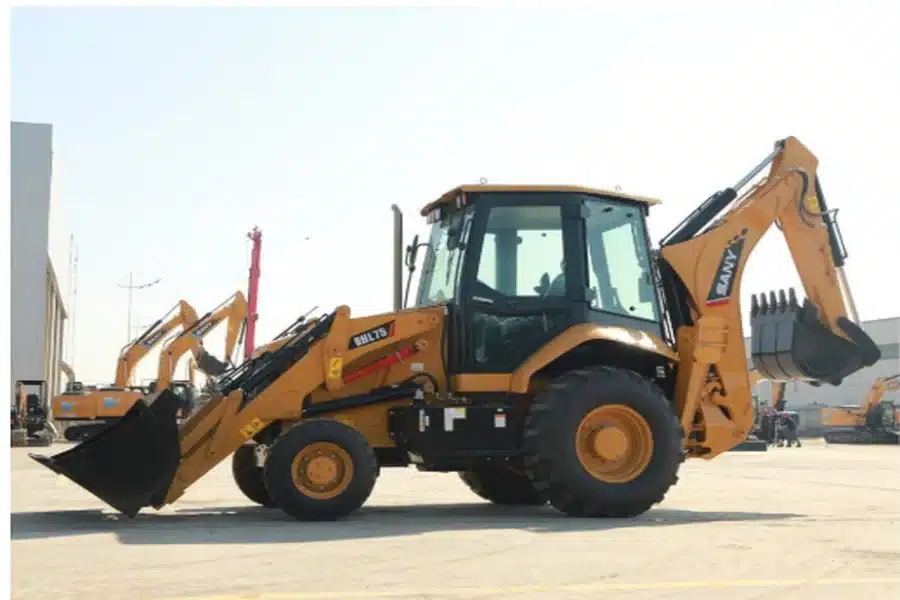
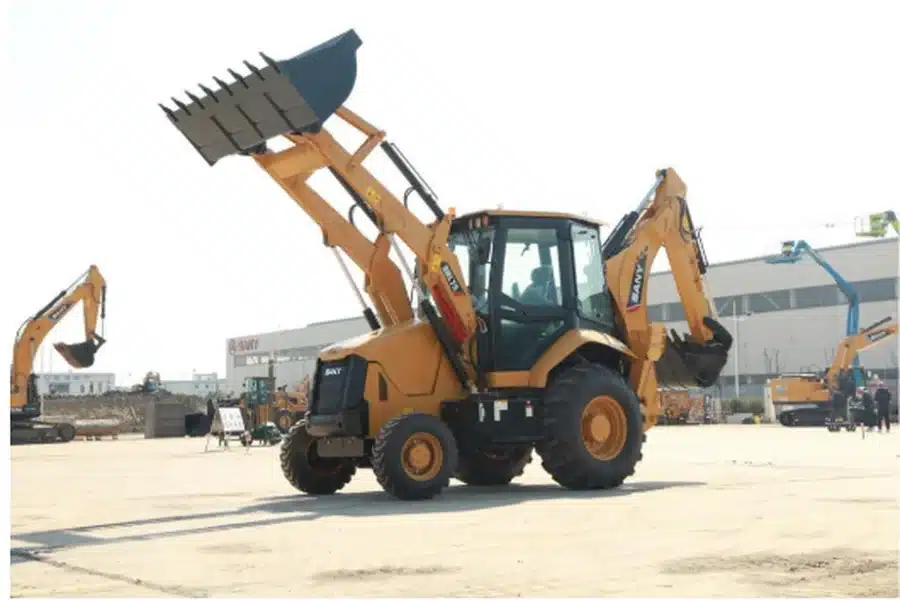
A backhoe loader is a multifunctional machine that combines a tractor, a loader, and a backhoe in one unit. Its front end features a loader bucket used for lifting and moving materials, while the rear end has a backhoe for digging tasks. This dual capability makes it ideal for small to medium-sized projects where versatility is key. Backhoe loaders are compact, offering mobility in confined spaces. They are commonly used in urban environments for construction, landscaping, and utility jobs. Operators appreciate the ability to switch between tasks quickly without changing equipment, which enhances productivity. Their versatility means backhoe loaders are a popular choice for contractors who need a reliable, all-in-one machine.
What Is an Excavator?
An excavator is a powerful piece of heavy equipment designed primarily for excavation tasks. It consists of a boom, stick, and bucket attached to a rotating platform, offering 360-degree flexibility. Excavators excel in large-scale projects, thanks to their ability to handle heavy materials and extensive digging requirements. They come in various sizes, from mini-excavators suitable for tight spaces to large models for major construction work. Unlike backhoe loaders, excavators focus on specialized tasks such as deep trenching, demolition, or dredging. Their robust construction and advanced hydraulics provide high performance for demanding jobs, making them indispensable on large construction sites.
Task Suitability: Matching Machine to Project Needs
Matching the right machine to your project involves assessing size, mobility, and task types. Understanding these factors ensures you leverage the equipment’s full potential, leading to effective project outcomes.
Size, Mobility & Site Access
Backhoe loaders are smaller, with enhanced maneuverability, making them perfect for projects with limited space. Their compact design enables operation in urban settings or confined job sites. In contrast, excavators, especially larger models, require more space but provide substantial power and range. They may face access issues in tight areas. If the project involves maneuvering in constrained environments, the compact nature of a backhoe is advantageous. However, for open sites needing extensive earth movement, an excavator’s superior dig depth and reach are ideal. Evaluating site access and mobility requirements will guide your machine selection.
Task Type: Digging, Loading, Trenching
Backhoe loaders are versatile, handling tasks such as light excavation, loading, and trenching efficiently. They offer multitasking capabilities, perfect for projects needing varied activities. Conversely, excavators are specialists in digging and trenching, excelling in jobs involving heavy-duty excavation or demolition. Their powerful hydraulic systems provide deep, precise digging capabilities. For projects focused on trenching or bulk material handling, excavators deliver the required performance. Understanding the primary tasks your project demands will help determine whether the adaptable backhoe or the specialized excavator is the better choice.\
Cost, Attachments & Operational Efficiency
Selecting equipment also involves looking at costs, potential attachments, and efficiency in operations. These factors can impact both budget and project execution.
Purchase, Operating, and Transport Costs
Backhoe loaders generally offer lower purchase and operating costs due to their smaller size and versatile nature. They consume less fuel and require less space for transport, reducing logistics expenses. In contrast, excavators, though costlier to purchase, offer superior productivity for large jobs, justifying the investment for extensive projects. Their higher fuel consumption and transport needs reflect their power and size. Contractors need to weigh initial costs against potential productivity gains. Budget constraints and project scale are critical in deciding which machine offers the best return on investment.
Attachment Versatility and Job‑Site Flexibility
Backhoe loaders come with a variety of attachment options, increasing their application range. From buckets to hydraulic hammers, these attachments enhance functionality. This flexibility makes backhoe loaders ideal for diverse projects needing different tasks. Excavators also offer attachment versatility but focus on heavy, specialized attachments suitable for demanding tasks. With options like augers, breakers, and grapples, excavators transform into multifunctional units on larger sites. The choice depends on the range and type of work. If a project demands adaptability across tasks, backhoes deliver; for focused, intensive work, excavators excel.
Conclusion
Choosing between a backhoe loader and an excavator depends on several factors, including project size, requirements, and budget. Backhoe loaders offer versatility and are excellent for smaller, varied tasks, while excavators provide strength and specialization for extensive excavation projects. By thoroughly assessing your project needs, including site size, task type, and financial considerations, you can make an informed decision. Both machines have unique advantages, and understanding these will ensure you utilize the right equipment, maximizing efficiency and success. Whether you need the adaptability of a backhoe loader or the power of an excavator, prioritizing your project’s specific needs will guide your choice effectively.