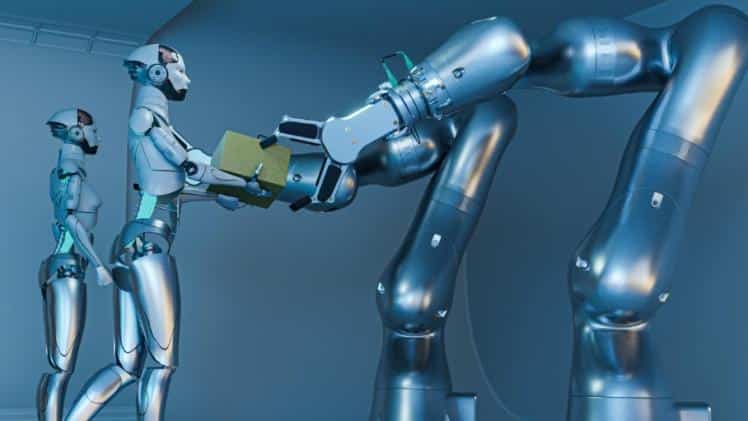
The rise of robotics is exciting. However, you might feel a little unsettled when you think about the possibility of these very robots taking over the world. AI has been playing a major role in the field of robotics from virtual chatbots to self-driving cars.
But as Spiderman once said, with great power comes great responsibility. It is why the ethics of robotics cannot be ignored.
So, why is it important to have this conversation? Well, the integration of AI in this particular field paves the way for numerous opportunities. These range from smarter healthcare to the preservation of the environment and greater productivity.
On the other hand, there are various challenges as well, like privacy concerns, job displacement, and dilemmas when making decisions. If you want a more comprehensive look at these, continue reading to find out more.
The Opportunities Of AI-Driven Robots
As we have already established, AI and robotics have significant potential. They can help various businesses in different sections by streamlining different tasks. Let’s see how.
- Increased Efficiency In Manufacturing: Robots can be used to perform repetitive tasks, which prevents human resources from having mundane jobs. As a result, businesses can streamline their manufacturing processes and watch their output rise.
- Advancements In Healthcare: AI-powered robotic assistants have the capabilities to carry out complex surgeries. And they can do this with unparalleled precision, thereby boosting patient satisfaction.
- Innovating Climate Science: You can install robots to keep an eye on ecosystems and come up with ideas to help fight deforestation. This stands to reason that these machines can play an important role in helping us save the environment.
- Reducing Hazards In The Workplace: Robots are swiftly taking over dangerous tasks, which can reduce the risks to human resources.
- Better Service Delivery: There is no doubt that AI-powered robots can offer cheaper, quicker, and more consistent services in a wide range of fields.
The Challenges Of AI-Driven Robots
While the opportunities and advancements given above are as promising as they come, robotics is not without its challenges. Here are a few of them.
- Job Redundancy: Various industries have moved toward automation, which includes retail, manufacturing, as well as white-collar jobs. While this advancement has also led to an increase in newer roles, many employees have been left unemployed and vulnerable due to the transition.
- Privacy Issues: AI robots collect a large volume of data, which raises several privacy concerns about who has access and how will this information be used. There is no denying that from surveillance drones to smart assistants, these systems have significant potential for misuse.
- Accountability Concerns: It is not easy to determine fault when accidents happen involving AI. For example, you cannot figure out who should be held accountable when there are autonomous car crashes. In addition, AI algorithms could have some unintended results which makes it difficult to place any ethical or legal responsibility.
Final Thoughts
In this brave new world of robotics, you need to figure out how to be responsible. After all, this is not just a debate for philosophers and techies. It is a discussion that everyone should have because it impacts humanity as a whole. After all, we are the brains behind this operation and the invention of robots.
As AI robots become an integral part of our lives, it is up to us to start asking difficult questions and make sure we get thoughtful answers. How can you play a part in protecting jobs and embracing automation? How can you keep privacy intact without hindering innovation? And most importantly, how can we make sure robots serve us and not the other way around?