Comparing Cleaning Methods: Power Washing vs. Soft Washing
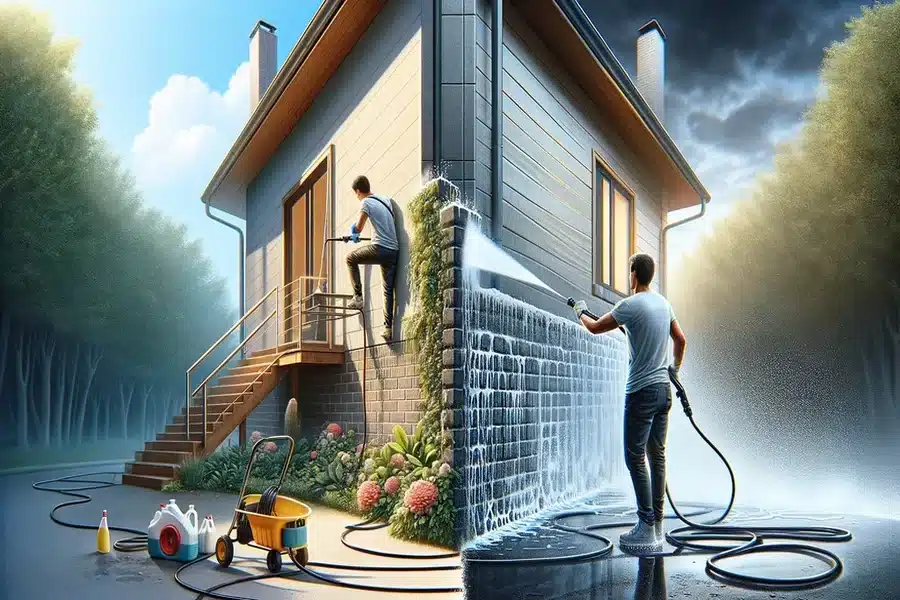
First impressions matter; a clean, well-maintained exterior can significantly boost a property’s curb appeal and value. Whether preparing for a sale or simply refreshing your home’s appearance, exterior cleaning is often one of the first steps homeowners consider. When rejuvenating a property’s exterior, many people use power washing as the apparent solution. Services like siding power wash are often seen as the gold standard for quickly blasting away years of dirt, stains, and mildew. Power washing relies on high-pressure water streams, sometimes delivering up to 3,000 pounds per square inch (PSI), to forcefully remove surface buildup. While this intensity can seem like the fastest way to restore curb appeal, its aggressiveness can sometimes do more harm than good, causing damage to siding, causing water intrusion behind walls, or even leading to premature material failure.
In contrast, soft washing takes a more nuanced and careful approach. Rather than relying solely on brute force, soft washing combines low-pressure water—usually less than 500 PSI—with carefully formulated cleaning agents that break down and dissolve organic contaminants at their roots. Data from the U.S. Environmental Protection Agency shows that power washing can use 100 gallons of water for a typical residential job, often wasting water that splashes down the driveway or street. Soft washing’s targeted application helps conserve water and achieves a longer-lasting clean by eliminating the spores and microorganisms that cause recurring stains.
Why Surface Material Matters
Failing to consider the specific material being cleaned can result in expensive and often irreversible damage. Different exterior surfaces on a property vary widely in durability and sensitivity. While concrete driveways and walkways can typically handle the force of high-pressure washing without issue, more delicate materials require a gentler approach. For instance, wood siding, older brick, stucco finishes, and composite roofing are far more susceptible to damage from aggressive cleaning methods. The intense pressure of traditional washing can splinter wood, dislodge mortar between bricks, or strip away essential protective layers that guard siding and shingles from the elements. That’s why choosing a specialized roof washing service—or any targeted cleaning solution—should always consider the material’s condition and composition to avoid doing more harm than good.
With soft washing, cleaning is far more precise. Professionals use a system that tailors both the detergent and the gentle pressure to the exact needs of each material. For example, a wood fence or roof shingle can be treated with a biodegradable agent that loosens grime, followed by a soft rinse. This not only prevents accidental damage but also maximizes the longevity of surfaces. By working in harmony with the structure rather than against it, soft washing helps owners avoid unsightly etching, gouges, or premature wear while still achieving an impressive visual transformation.
Environmentally-Friendly Cleaning Solutions
Pressure washing’s environmental impact isn’t often visible, but it’s significant. The high volumes of water, coupled with runoff laden with chemical residues, paints, and oils, can end up in storm drains and eventually local water systems. This runoff can contribute to river, lake, and groundwater pollution, threatening plant and animal life in the ecosystem. Soft washing offers a gentler, greener approach by using cleaning agents designed to break down quickly and minimize harm to the surrounding environment.
According to the Natural Resources Defense Council, investing in green cleaning practices at home helps reduce exposure to toxic chemicals and supports public health by lowering pollution levels. Soft washing equipment accurately dispenses solutions, preventing overuse and reducing runoff. Many property owners also appreciate that these eco-friendly agents are typically non-toxic for pets and plants, easing worries about backyard play or maintaining a lush garden after cleaning. With more communities promoting sustainability and requiring careful water and chemical use management, soft washing stands out as both the responsible and practical choice.
Protecting Your Property With Proper Techniques
Preserving the appearance and durability of your property’s exterior takes more than just cleaning—it requires innovative, safe techniques that keep every element in optimal shape. Over-reliance on power washing can shorten the lifespan of materials by stripping away paint, loosening tightly sealed caulking, or even damaging window screens or decorative trims. By contrast, soft washing’s strategic Softry and mild pressure safeguards the lichens on roof surfaces from such mechanical harm.
Regular soft washing does more than treat the most obvious dirt. It halts the growth of mold, algae, and mildew, particularly in humid climates where such contaminants are more likely to flourish. On roofs, soft washing removes black streaks and lichen without dislodging fragile granules on shingles, preserving both function and warranty. For property managers responsible for commercial spaces, or homeowners who want to get the most value from their investment, choosing gentle techniques is a truly preventative strategy—protecting not only the present appearance but the long-term resilience of each material.
How a Comprehensive Suite of Residential and Commercial Soft Washing Services Can Make a Difference
Access to a comprehensive suite of residential and commercial soft washing services that provide a superior, safer, and more environmentally sound alternative to power washing can be a game-changer for any property. Quality service means every unique area—be it delicate trim, expansive siding, ornate masonry, or even outbuildings like sheds and fences—receives specialized attention. Comprehensive providers conduct detailed site evaluations, identifying problems like stubborn stains, shaded zones prone to algae, or outdoor features often overlooked in routine cleaning.
For busy families and businesses alike, the practical benefits are clear. A consistent cleaning schedule tailored to your property’s wear and seasonality helps prevent discoloration, rot, and infestation. Professional-grade soft washing means less time spent scrubbing by hand and fewer worries about the long-term effects of moisture or UV exposure on paint and trim. Ultimately, this service level supports the immediate wow-factor and a lower lifetime cost of repair and refresh.
Common Questions About Soft Washing
- Is soft washing as effective as power washing for tough stains? Absolutely. Soft washing’s detergent-driven process targets organic stains—such as algae, mold, moss, and pollen—below the surface, not just on top. This results in a more lasting clean, helping prevent regrowth that can quickly mar a freshly washed property.
- Will my landscaping be safe during soft washing? Leading companies use eco-friendly solutions that are low in toxicity and take the extra step to pre-wet and shield nearby flowers, shrubs, and grass. As a precaution, always clarify your expectations about plant care with your provider beforehand.
- How often should my property be soft-washed? Most professionals recommend once every one to two years for most homes, but the frequency can increase in regions with more rainfall, humidity, or shade. Observing your property for green patches, roof streaks, or darkened fences helps determine when service is due.
Maintenance Tips for Long-Lasting Results
After investing in professional soft washing, simple ongoing tasks will help extend those fresh results. Start by trimming trees and shrubs that create shade and trap moisture against siding, roofs, and decks—dampness encourages mold and algae to return. Make gutter checks and cleaning part of your seasonal routine. Clear gutters mean rainfall flows properly, keeping water out of places it shouldn’t be. Use a gentle spray from a garden hose to rinse away dust or spider webs in high-traffic areas, and tackle new stains as soon as they appear to prevent set-in discoloration.
- Prune back overhanging branches to allow sun and air circulation
- Inspect gutters for blockages every few months
- Perform light spot-cleaning on patios and walkways in between professional visits.
- Monitor for stubborn stains or recurring growths and schedule touch-ups when necessary.
Combining periodic professional soft washing with these proactive habits can keep your home or business exterior looking inviting throughout the seasons.
The Future Outlook of Exterior Cleaning
Exterior cleaning is evolving rapidly. With water conservation and environmental impact on everyone’s mind, methods that reduce waste and prevent harm to ecosystems are leading the market. Manufacturers continue to improve cleaning agents, making them more powerful at attacking organic build-up while remaining biodegradable and safe for use around people, pets, and sensitive landscaping. Equipment used in soft washing is now more efficient, reducing water use and cutting jobs.
Insights from recent industry news show that soft washing’s popularity has climbed sharply as consumers and regulators favor techniques that balance cleaning power and responsibility. As awareness grows and regulations surrounding chemical use and water runoff become stricter, property owners are increasingly attracted to this cleaning model. In the long run, soft washing is poised to become the preferred standard, delivering curb appeal, durability, and environmental peace of mind for years to come.