Sewer line replacement is a significant but necessary process for maintaining the functionality of residential plumbing systems. Over time, sewer lines can suffer from corrosion, tree root infiltration, or general wear and tear, necessitating a replacement. Fortunately, advancements in technology have introduced modern methods that make sewer line replacement more efficient, cost-effective, and minimally invasive.
This article will explore the most effective and modern methods used for sewer line replacement, focusing on trenchless technologies. By understanding these methods, homeowners can make informed decisions and work with experienced professionals for the best outcomes.
Traditional Sewer Line Replacement: A High-Cost, High-Impact Approach
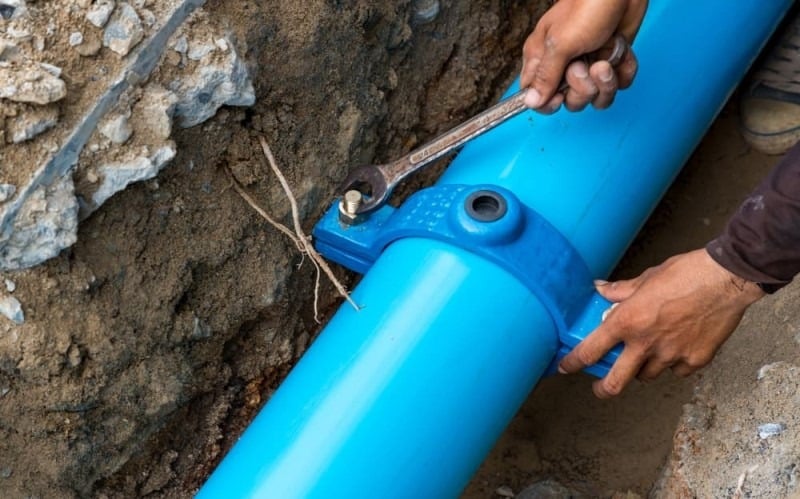
Historically, replacing a sewer line involved significant excavation work. Contractors would dig large trenches along the length of the sewer line, removing the old pipes and installing new ones. This traditional approach, while effective, was often costly and disruptive. The need for extensive digging led to damage to landscaping, driveways, sidewalks, and other parts of the property, increasing both the cost and the time required to complete the job.
While traditional methods are still used in certain situations, they have been largely surpassed by more advanced techniques that reduce both the cost and the disruption to homeowners. As a result, many are turning to modern alternatives that minimize property damage and ensure quicker project completion.
Trenchless Technology: Revolutionizing Sewer Line Replacement
One of the most significant advancements in sewer line replacement has been the development of trenchless technology. Trenchless methods allow for the replacement of sewer lines without the need for extensive digging, which minimizes the impact on a property. These techniques can be faster, less disruptive, and even more cost-effective in some cases.
Two primary trenchless methods used for sewer line replacement are pipe bursting and pipe lining. Both methods utilize advanced equipment to replace or repair damaged sewer lines with minimal excavation.
Pipe Bursting: Efficient and Comprehensive
Pipe bursting is one of the most widely used trenchless methods for sewer line replacement. The process involves the use of a specialized tool known as a bursting head. This tool is inserted into the existing sewer pipe and is used to break apart the old pipe. At the same time, a new, high-quality pipe is pulled into place behind the bursting head.
The new pipe is typically made of durable materials such as high-density polyethylene (HDPE) or another corrosion-resistant substance. Pipe bursting is particularly useful when dealing with severely damaged, collapsed, or outdated pipes that are no longer functional. The method allows for a complete replacement of the sewer line, without the need for extensive excavation.
Pipe Lining: An Effective Non-Disruptive Alternative
Pipe lining, also known as cured-in-place pipe (CIPP) lining, is another trenchless method used for repairing and replacing sewer lines. In this process, a resin-soaked liner is inserted into the damaged sewer pipe. The liner is inflated to fit snugly within the existing pipe, and the resin is cured to form a new, solid pipe inside the old one.
This method is highly effective for sewer lines that are not severely damaged but require reinforcement. Pipe lining is less invasive than pipe bursting and is ideal for situations where only partial repair or rehabilitation of the pipe is needed. The new liner forms a smooth, durable surface that resists future leaks, tree root intrusion, and other common plumbing issues.
Benefits of Trenchless Sewer Line Replacement
Trenchless methods offer a range of advantages over traditional sewer line replacement. Below are some of the key benefits that make trenchless technology a compelling choice for homeowners:
- Minimal Disruption: Trenchless techniques eliminate the need for large-scale excavation. There’s no need to dig up your entire lawn, driveway, or sidewalk. This means that the integrity of your landscape remains largely intact.
- Cost-Effective: While trenchless methods may have a higher upfront cost compared to traditional methods, the total cost is often lower when considering the reduced need for property restoration, landscaping repairs, and less labor-intensive work. The ability to complete the job more quickly also reduces overall expenses.
- Quick Installation: Trenchless methods can be completed within hours or a few days, depending on the complexity of the job. This is a significant improvement over traditional methods, which can take weeks to complete due to the extensive excavation and restoration required. By hiring a skilled sewer line replacement contractor, you can ensure a quicker, more efficient installation process that minimizes inconvenience to you and your family.
- Long-Term Durability: The materials used in trenchless technology, such as HDPE and epoxy resins, are highly durable and resistant to corrosion, leaks, and tree root infiltration. These modern materials ensure that the sewer line replacement will last for decades.
Choosing the Right Sewer Line Replacement Contractor
Although trenchless technology has proven to be a highly effective solution, it’s essential to work with a qualified sewer line replacement contractor to ensure a successful installation. The contractor you choose should be experienced with trenchless methods, as well as knowledgeable about local codes and regulations.
When selecting a sewer line replacement contractor, consider the following factors:
- Experience and Specialization: Look for a contractor who specializes in sewer line replacement and is familiar with trenchless technologies. Experience with these advanced methods ensures the contractor can handle your project efficiently and with a high level of expertise.
- Licensing and Insurance: Verify that the contractor holds the necessary licenses and insurance required for the job. This helps protect you in case of any accidents or damage during the project.
- Reputation and References: Check online reviews and request references from previous clients. A reputable contractor will have a history of satisfied customers and proven success in completing similar projects.
- Detailed Estimate: A professional contractor should provide you with a clear, written estimate that includes the cost of materials, labor, and any potential additional fees. This transparency ensures that there are no surprises during the project.
- Warranty and Aftercare: A reliable contractor will offer warranties on both the materials used and the labor performed. Be sure to discuss any post-installation support or maintenance services available to you.
When Is Sewer Line Replacement Necessary?
Sewer line replacement is typically needed when the existing pipes are beyond repair, but it’s essential to know when the right time for replacement is. Here are some common signs that indicate it may be time to replace your sewer lines:
- Frequent Blockages: If your drains or toilets are constantly clogging despite regular cleaning and maintenance, it could indicate a more serious problem with the sewer line.
- Sewage Backups: Sewage backups are a major red flag. If wastewater backs up into your home or yard, it’s likely due to a damaged or obstructed sewer line.
- Slow Drains: Slow drainage, especially when it affects multiple fixtures in the home, can point to a problem in the sewer line.
- Unusual Lawn Growth: If you notice unusually lush or green patches in your yard accompanied by a foul odor, it could indicate a leaking sewer pipe.
- Gurgling Noises: Gurgling or bubbling noises coming from your drains or toilets can be a sign of air trapped in the pipes due to blockages or damage.
If any of these issues arise, it’s important to consult a sewer line replacement contractor to assess the situation and determine whether replacement is necessary.
Conclusion
Modern sewer line replacement methods, particularly trenchless technologies such as pipe bursting and pipe lining, have transformed how sewer systems are repaired and replaced. These methods offer numerous benefits, including reduced disruption to the property, faster installation times, and long-lasting results.
Working with a skilled sewer line replacement contractor is crucial to ensuring a smooth and efficient process. By selecting an experienced professional and opting for the appropriate modern methods, you can ensure that your sewer line replacement is handled in the most effective way possible, providing peace of mind for years to come.