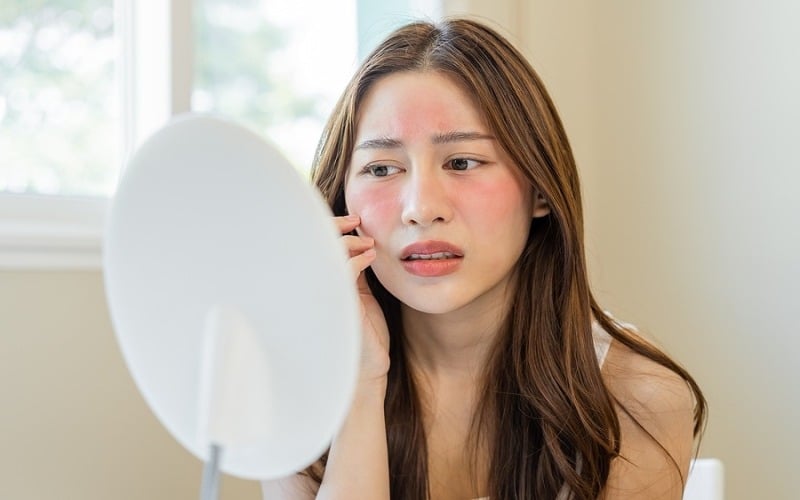
Managing rosacea requires a comprehensive and empathetic approach that acknowledges the multifaceted nature of the condition. This skin disorder, characterised by facial redness, swelling, and acne-like bumps, demands a personalised treatment plan that addresses both the physical signs and the emotional toll it can take. Effective management combines medical interventions, such as rosacea cream, lifestyle changes, and dedicated skincare routines. Understanding the complexity of rosacea and its significant impact on individuals’ lives is the foundational step toward a balanced and effective treatment strategy. This article will offer insights into understanding rosacea’s triggers, venturing into several treatment options, and highlighting the importance of making informed skincare product choices alongside necessary lifestyle adjustments.
Medical Treatments for Rosacea
The medical approach to managing rosacea involves prescription medications, specialised topical treatments like rosacea cream, and advanced therapies, including laser treatment. Topical medications are designed to alleviate inflammation and redness, while oral antibiotics tackle the condition from within, leveraging their anti-inflammatory properties. Laser therapy emerges as a revolutionary solution for diminishing the visibility of blood vessels and enhancing the skin’s texture, providing a smoother appearance. Consulting with a dermatologist is paramount to crafting a tailored treatment plan that aligns with the individual’s specific type and severity of rosacea, ensuring the most effective and personalised care.
Lifestyle Adjustments to Support Skin Health
Lifestyle modifications play a pivotal role in the holistic management of rosacea, enhancing the efficacy of medical treatments. Key strategies include diligent sun protection using high-SPF sunscreen, avoiding known dietary triggers, and adhering to a gentle skin care regimen to minimise flare-ups. Equally crucial is stress management; stress can significantly exacerbate rosacea symptoms. Implementing stress-reduction techniques such as mindfulness practices, regular physical activity, and ensuring adequate rest can profoundly support overall skin health, helping to stabilise the condition and improve quality of life.
The Role of Skincare in Rosacea Management
Daily skincare routines are instrumental in effectively managing rosacea. Selecting appropriate skincare products, including mild cleansers, hydrating moisturisers, and targeted creams, is critical for soothing irritated skin and preventing further exacerbations. Products should be specifically formulated for sensitive or rosacea-prone skin to avoid aggravating the condition. Establishing a consistent skincare routine customised to the individual’s skin type and symptoms is vital for maintaining skin health and mitigating the impact of rosacea.
Selecting a Renowned Skin Care Products Provider
The quality and source of skin care products utilised significantly influence the success of rosacea management. Opting for products from renowned providers guarantees access to safe, effective formulations specifically designed for sensitive skin. Thorough research, consultations with healthcare professionals, and seeking brands with a proven track record of addressing the needs of those with rosacea are essential in selecting the right products. High-quality products from trusted sources are more likely to yield positive outcomes, offering relief without causing additional irritation.
Innovations in Rosacea Treatment
Keeping abreast of the latest innovations in rosacea treatment can unlock new avenues for management and relief. Ongoing advancements in topical formulations, laser technologies, and understanding rosacea’s underlying mechanisms, including the use of red light therapy at home, offer hope for more effective solutions. Active engagement with dermatologists aware of these developments ensures that individuals have access to cutting-edge treatments, offering the potential for improved management and a higher quality of life.
The Importance of Environmental Awareness
An often overlooked aspect of rosacea management is the impact of environmental components on the condition. Individuals with rosacea are typically more sensitive to external triggers that can exacerbate their symptoms. These triggers include weather conditions like extreme heat, cold, or wind and indoor factors such as dry air from heating or cooling systems. Recognising and mitigating these environmental influences are crucial steps toward effective rosacea management.
Adjusting daily routines to accommodate weather changes, such as wearing protective clothing or applying suitable cream before exposure to harsh conditions, can significantly reduce flare-ups. Similarly, in indoor environments, using humidifiers during winter or air purifiers to remove irritants can create a more rosacea-friendly atmosphere, helping to maintain skin health. Similarly, in indoor environments, using humidifiers during winter or air cleaner and purifier to remove irritants can create a more rosacea-friendly atmosphere, helping to maintain skin health. By cultivating an awareness of how environmental factors affect their rosacea, individuals can take proactive steps to shield their skin from potential triggers, enhancing their overall management strategy and improving their skin’s resilience against external irritants. When combined with medical treatments, lifestyle adjustments, and careful product selection, this holistic approach forms a comprehensive defence against the unpredictable nature of rosacea, empowering individuals to live more comfortably with the condition.
Conclusion
In conclusion, effectively managing rosacea necessitates a nuanced, personalised, and informed approach that addresses the condition’s physical and emotional facets. Each element is integral to controlling the disorder, from understanding individual triggers and exploring comprehensive medical treatments to implementing lifestyle adjustments and selecting suitable skincare products. Incorporating considerations for the emotional impact of rosacea and staying informed about treatment innovations further enriches the management strategy. Armed with the right combination of cream, skincare routines, and supportive measures, individuals with rosacea can confidently navigate their condition, achieving clearer skin and a significantly enhanced quality of life.