
Key Takeaways
Bamboo wall panels bring a natural aesthetic that warms and elevates interior spaces, transforming sterile environments into serene retreats.
The organic appearance of bamboo fosters a calming atmosphere, making it a popular choice for wellness-centered spaces like yoga studios and meditation rooms.
Thanks to its impressive strength-to-weight ratio, bamboo displays remarkable durability, proving itself as an excellent choice for wall paneling that endures wear and environmental challenges.
Inherent antimicrobial qualities allow bamboo to resist pests and decay, making it suitable even in moisture-rich environments like kitchens and bathrooms.
This eco-friendly material regenerates quickly, establishing itself as a sustainable option with a minimal carbon footprint for environmentally aware consumers.
Bamboo wall panels can assist in attaining green building certifications such as LEED, supporting architects and contractors in reaching their sustainability objectives for construction projects.
The adaptability of bamboo facilitates customization, seamlessly blending into various design styles—from modern chic to traditional elegance—suitable for both residential and commercial uses.
Unveiling the Aesthetic Charm of Bamboo Wall Panels
How Bamboo Transforms Spaces with Natural Elegance
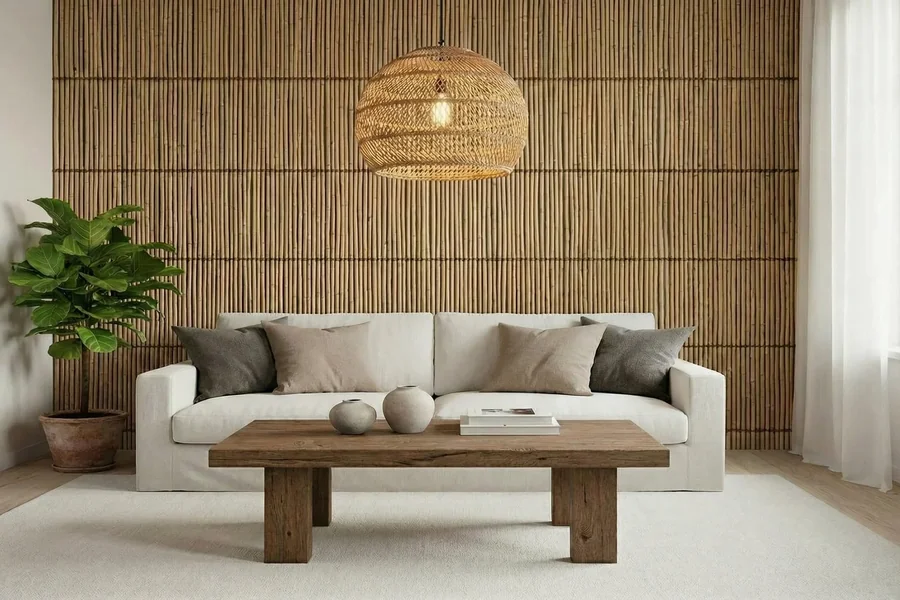
Bamboo wall panels aren’t just a trend; they signify a lifestyle shift towards embracing the natural world. In environments where warmth and sophistication harmonize, bamboo panels make a striking design statement. Their inherent beauty, seen in unique grain patterns and rich tones, creates a natural canvas that evokes tranquility. Clients frequently find that incorporating bamboo drastically changes the mood, fostering a sense of calm and connection to nature. Just imagine how this organic material can infuse depth into interior design, turning a barren space into a peaceful haven.
Take a moment to consider the earthy hues of bamboo. They harmonize with a wide range of color schemes and styles. Whether used in a contemporary kitchen or a rustic living room, these panels fit in seamlessly. Acting as the perfect canvas for vibrant decor, they simultaneously convey understated elegance. Can any single material showcase such adaptability?
Creating a Zen Ambiance: The Visual Appeal
Bamboo wall panels are frequently chosen for infusing homes and offices with a sense of peace. That’s no coincidence. The organic aesthetic inherent to bamboo establishes a soothing and welcoming vibe. Consequently, many design professionals advocate for these panels in wellness-focused environments, such as yoga studios or meditation rooms. Their soft, natural appearance minimizes distractions, allowing individuals to fully engage with their surroundings.
Studies indicate that incorporating greenery and organic materials can enhance creativity while alleviating stress. For this reason, integrating bamboo might be one of the most effective methods for improving mental well-being in built environments. The clear visual appeal aligns with contemporary living trends, addressing the desire for balance within urban settings.
Durability You Can Trust: Bamboo’s Structural Benefits
Why Bamboo Stands the Test of Time
For those prioritizing durability, bamboo shines like no other material. Often compared to hardwood, this extraordinary plant exhibits an exceptional strength-to-weight ratio, establishing itself as a robust choice for wall paneling. However, it goes beyond mere strength; longevity is key. Bamboo panels endure significant wear and tear, proving to be a wise investment over the years.
Professionals recognize another considerable advantage of bamboo: its ability to withstand environmental fluctuations. In areas that experience humidity and temperature shifts, bamboo holds up exceptionally well, minimizing problems related to warping or cracking. Homeowners can rest assured that their investments in bamboo wall panels will endure well into the future, delivering dependable performance.
The Science Behind Bamboo’s Resilience Against Wear
The remarkable resilience of bamboo stems from its natural ability to resist pests and decay. Unlike many conventional materials, bamboo possesses antimicrobial properties, significantly reducing the likelihood of moisture-related damage. This makes it an exceptional choice for kitchens and bathrooms, where moisture and heat can easily harm standard wall coverings.
Extensive research demonstrates that bamboo can last for decades when conditions are suitable, outperforming other alternatives. This durability aspect aligns beautifully with the growing consumer demand for sustainable and low-maintenance options—ideal for those looking to future-proof their spaces.
“Bamboo isn’t just strong; it’s in a league of its own when it comes to environmental adaptability.”
Eco-Friendly Excellence: Sustainable Building with Bamboo
The Low-Impact Choice for Environmentally Conscious Consumers
Bamboo has emerged as a frontrunner in eco-friendly construction. As a fast-growing renewable resource, it regenerates in approximately three to five years following harvest. This is a stark contrast to hardwood, which can take decades or longer to mature. As more companies highlight bamboo’s role in sustainable construction, consumers are increasingly seeking green options. It’s tough to overlook a product that merges beauty and utility without compromising on environmental sustainability.
Bamboo wall panels boast a substantially lower carbon footprint, making them a tangible alternative for conscientious buyers. Clients frequently appreciate the peace of mind that comes from making an environmentally responsible choice. Remember, lower impact does not mean lower quality; rather, it reflects a commitment to sustainable living in a progressively industrialized society.
How Bamboo Panels Contribute to Green Building Certifications
With the rising focus on green architecture, bamboo wall panels can play a pivotal role in obtaining certifications like LEED (Leadership in Energy and Environmental Design). This connection is crucial for architects and contractors aiming to distinguish their projects in a competitive market. Once stakeholders grasp how easily bamboo integrates into green initiatives, they begin to appreciate its broader implications for both aesthetics and sustainability.
Leading architects and designers excel by incorporating bamboo, often utilizing it to earn credits towards such certifications. Sustainability isn’t merely a trend—it has become essential in modern construction practices. Clients who opt for these materials signal their support for eco-friendly building practices loud and clear. The conversation surrounding sustainable architecture grows richer with compelling examples such as these.
“When it comes to sustainability, bamboo stands as a testament to nature’s power in design.”
Versatility in Design: Endless Possibilities with Bamboo Panels
Adapting Bamboo to Any Aesthetic or Functional Need
Surprisingly, bamboo wall panels showcase remarkable adaptability. Clients often find these panels can be customized to suit a wide array of styles. From sleek modern interiors to bohemian-inspired designs, bamboo can harmonize beautifully. Can it also complement traditional homes? Without a doubt! The blend of modernity and tradition can create stunning visuals with the careful use of bamboo elements. Its flexibility is unmatched.
Another standout feature is how easily these panels can be treated and finished. Homeowners and designers can opt for various stains, finishes, or treatments, allowing for a tailored aesthetic without sacrificing the material’s core integrity. Integrating bamboo transforms into a personalized journey, a key touchpoint for many clients.
Innovative Applications: From Residential to Commercial Projects
The innovation potential with bamboo seems boundless. Professionals across numerous fields have harnessed bamboo’s beauty and strength, employing it in everything from accent walls to ceilings. A noteworthy aspect of bamboo panels is their ability to transition between residential and commercial contexts with ease. In office environments, bamboo injects vitality and character, crafting an inspiring workspace.
Here are some popular applications:
- Accent Walls: A striking choice that commands attention.
- Partitions: Define spaces while preserving light.
- Ceiling Treatments: Assemble a consistent visual and textural experience.
These examples illustrate the multifunctionality of bamboo panels. As individuals explore their choices, they often come to see bamboo wall panels as more than mere materials; they perceive them as opportunities for storytelling through design.
“Bamboo isn’t merely a product; it’s a narrative of sustainability and style.”
FAQ
What maintenance do bamboo wall panels require?
Bamboo wall panels are designed for low maintenance. Typically, a regular dusting and occasional cleaning with a damp cloth suffice. For high-moisture areas, ensuring proper ventilation aids in maintaining their appearance and integrity over time.
Can bamboo panels help with sound insulation?
While bamboo isn’t primarily marketed for soundproofing, it does offer certain acoustic advantages. The density of bamboo helps to dampen sound, rendering it a practical option for spaces where noise reduction is desired, including home offices or private rooms.
Are there specific design trends associated with bamboo wall panels?
Bamboo wall panels align well with biophilic design trends emphasizing natural materials and rooted connections to nature. Styles incorporating minimalist aesthetics, organic textures, and sustainability frequently showcase bamboo, securing its place as a preferred material in modern design.
How does the cost of bamboo compare to traditional wall materials?
Typically, bamboo wall panels are competitively priced compared to other premium materials. In fact, they might prove to be more cost-effective in the long term due to their enduring durability and diminished need for replacement or extensive upkeep.
What finishes are available for bamboo wall panels?
Bamboo panels come in a variety of finishes and treatments, ranging from natural matte to glossy varnishes. Clients often have the flexibility to customize colors and textures, ensuring a seamless integration with existing decor styles.
How do bamboo panels perform in high-humidity areas?
Thanks to bamboo’s intrinsic moisture resistance, it stands out as a superb choice for high-humidity environments. Its antimicrobial qualities also facilitate mold prevention, ensuring durability in spaces like kitchens and bathrooms.
Can bamboo wall panels be painted or stained?
Yes, bamboo wall panels can indeed be painted or stained. Many professionals recommend utilizing products specifically formulated for bamboo to preserve the material’s integrity while achieving the desired aesthetic effect.
What are the best applications for bamboo wall panels?
Bamboo panels are incredibly versatile, suitable for various applications, from accent walls and partitions to ceilings. They perform commendably in both residential and commercial environments, enhancing spaces while providing both functionality and aesthetic appeal.