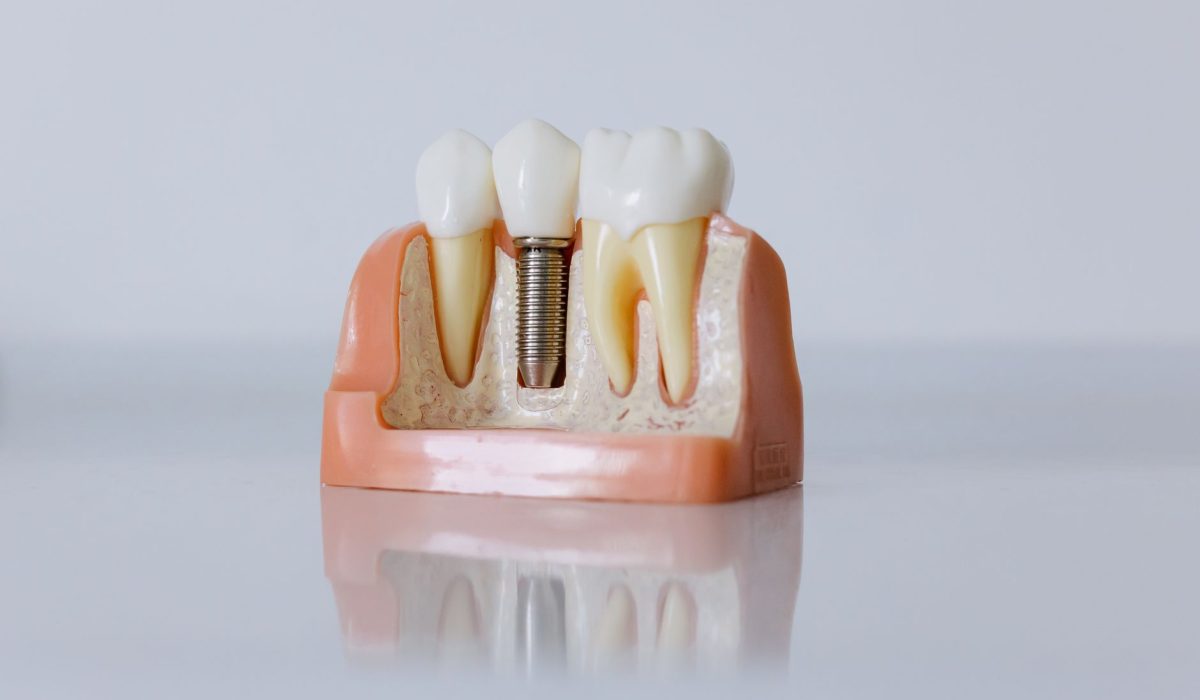
A full-mouth implant plan can restore chewing function and replace most or all teeth with implant-supported restorations. It still requires careful screening because every patient has different bone levels, gum health, medical history, and treatment goals. Some people need periodontal care or bone grafting before surgery, while others benefit from a bridge or removable denture. A thorough evaluation helps determine whether full-mouth treatment fits the patient’s health, expectations, and daily routine.
Patients researching full-mouth treatment often compare implant placement, bone requirements, restoration choices, and recovery expectations. A local guide to dental implants in Las Vegas, Nevada, explains how an evaluation connects those factors to a patient’s remaining teeth and jaw structure. That information helps readers prepare useful questions before a consultation, especially when comparing fixed teeth with removable dentures or staged treatment.
What A Full-Mouth Implant Plan Involves
A full-mouth implant plan replaces an entire arch, or both arches, with implant-supported teeth. Small titanium posts sit in the jawbone and support a crown, bridge, or denture after healing.
The final restoration affects the number and position of implants required. The plan must also account for chewing, speech, appearance, cleaning, and long-term maintenance. Some patients receive temporary teeth during treatment, while others move through several stages before receiving the final restoration.
Bone and Gum Health Matters
Implants need adequate jawbone for support. After tooth loss, the bone can shrink and leave less room for implant placement. A three-dimensional scan shows the available bone and helps the clinician determine whether additional treatment is necessary.
Active gum disease, untreated infections, and extensive decay require attention before implant surgery. These conditions can interfere with healing and increase the risk of implant problems. Bone grafting can rebuild deficient areas, but it adds another procedure and extends the treatment timeline.
Medical Readiness Affects Treatment
A patient’s general health affects recovery after oral surgery. The dental team reviews medical conditions, medications, previous surgeries, and any factor that could interfere with healing.
Smoking, uncontrolled diabetes, and certain medications can affect recovery. Patients should provide a complete medical history before treatment begins. The clinician can then determine whether surgery should proceed, be modified, or wait until a health concern is under control.
Daily Care Still Matters
Implant-supported teeth require regular brushing, flossing, professional cleanings, and dental examinations. Fixed teeth do not eliminate the need for daily care. Food and bacteria can collect around the restoration and implant sites when cleaning is inconsistent.
Patients who struggle with oral hygiene need practical guidance before choosing a full-mouth plan. The dental team can explain cleaning methods, maintenance visits, and areas that require extra attention. Long-term results depend on care after the surgical phase ends.
When Treatment Should Wait
Implant treatment should wait when gum disease, decay, infection, or another oral problem remains uncontrolled. Treating those conditions first creates a healthier environment for implant placement. A patient also needs time to improve medical stability or understand the treatment process.
Some patients need tooth extractions, periodontal treatment, or bone grafting before receiving a full-mouth restoration. These procedures do not automatically rule out implants. They do affect the sequence of care, recovery period, and final cost.
When Another Option Makes Sense
A full-mouth implant plan is not the only way to replace missing teeth. A single missing tooth can often receive an individual implant, while several adjacent missing teeth may suit an implant-supported bridge. These options avoid replacing teeth that remain healthy.
Traditional dentures remain appropriate for patients who cannot undergo implant surgery or prefer removable teeth. An implant-retained denture gives certain patients additional stability without using a fixed restoration. The appropriate choice depends on oral health, anatomy, function, budget, and personal expectations.
How Clinicians Confirm Candidacy
The evaluation usually includes an oral examination, dental X-rays, and a three-dimensional scan of the jaw. The clinician reviews the remaining teeth, gum condition, bone volume, bite, medical history, and treatment goals.
The consultation should also cover healing time, temporary teeth, recovery, maintenance, payment, and possible preliminary procedures. Same-day teeth suit some patients, but bone health and restoration requirements determine eligibility. Many implant treatments require several visits and a healing period before the final restoration is placed.
Conclusion
A full-mouth implant plan suits patients who can heal properly, maintain their restorations, and follow the required treatment schedule. It does not suit every person with missing teeth, particularly when untreated disease, limited bone, or medical risks remain unresolved.
The practical next step is a consultation that includes X-rays and a three-dimensional scan. Patients should ask how their oral health, restoration choice, timeline, recovery, maintenance needs, and total cost affect the recommended plan.