

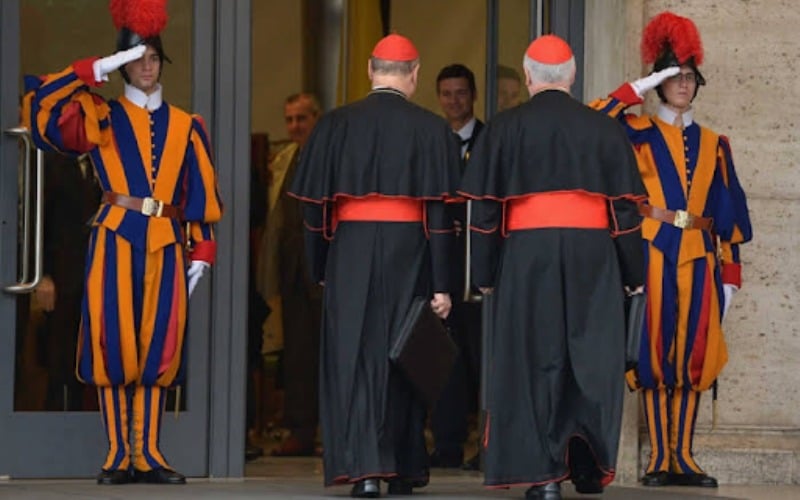
The Role of the Pope in the Catholic Church
Deciding the next Pope is pivotal for the Catholic Church. It marks a big change with huge global importance. The Pope is the spiritual leader of over a billion Catholics worldwide. He plays a central role in shaping the Church’s direction. He shapes its doctrine and its engagement with modern challenges. A Pope can have a big impact on religion and society. So, picking the next Pope is not a Church matter. Still, it resonates with more people. It sparks curiosity and speculation about who will take this venerable position.
The next Pope could inherit a rich history. Notable Popes have left indelible marks on the Catholic Church and beyond. Pope Gregory the Great was zealous for reform. Pope John Paul II was an inspiring figurehead. Each Pope has shaped the Church’s path in unique ways. Understanding this history is crucial for assessing the challenges and opportunities ahead. It shows the responsibilities and expectations that the next Pope will bear.
The history of past Popes shows a tapestry of leadership. It also shows influence and reform. From the early days of St. Peter to the Renaissance, each era brought forth Popes. They navigated the Church through the complexities of their times. Against this backdrop, the selection of the next Pope gains importance. It prompts questions about the qualities and vision needed to address modern challenges. They must also uphold the lasting values of the Catholic Church.
Challenges Facing the Catholic Church
The Catholic Church is historic and spiritual. It faces a range of challenges. The challenges demand thoughtful consideration from its leaders. The Church grapples with the complexities of the modern world. Addressing these pressing issues frames the choice of the next Pope.
Evolving Societal Dynamics
The Catholic Church is at a crossroads. Society’s norms and values are changing. Attitudes are changing. They are shifting on issues like gender roles, sexuality, and family structures. These changes pose challenges to traditional teachings. The next Pope must navigate these changes. They must foster inclusivity while keeping core beliefs. Embracing dialogue and understanding within the diverse global Catholic community becomes paramount.
- Balancing tradition and progress is the challenge. It means keeping core tenets while adapting to societal shifts.
- Inclusivity and diversity: addressing the needs and perspectives of a diverse congregation.
Clerical Abuse Scandals
The Catholic Church faces a grave challenge. It is the persistence of abuse scandals. Rebuilding trust in the community is essential. It is key for the Church’s credibility and moral authority. The next Pope must face this issue. They must put in clear rules for accountability. They have also stressed a commitment to justice and compassion.
- Transparency and accountability: establishing clear mechanisms to address and prevent abuse.
- Restoring faith: Efforts aim to rebuild trust. They also aim to reassure the faithful after scandals.
Declining Religious Participation
In a time of growing secularization, the Catholic Church faces declining religious participation. This is especially true among younger generations. The next Pope faces a challenge. They must revitalize faith engagement and relevance. They must use new approaches to connect with a changing demographic.
- Outreach and evangelization: developing strategies to engage and connect with diverse audiences.
- Adapting to the digital age: leveraging technology for widespread communication and community-building.
Global Socio-Political Issues
The Catholic Church is not immune to the broader challenges of our times. These challenges are socio-political. Issues like poverty, migration, and the environment demand a response. The Church’s social teachings must ground it. The next Pope faces guiding the Church’s stance on these global challenges. He must advocate for justice and compassion.
- Social justice advocacy: addressing issues through the lens of Catholic social teaching.
- Diplomacy and dialogue: navigating relationships with governments and organizations to influence positive change.
Potential Candidates

Credit: CNN
The Catholic Church expects to choose its next Pope. A list of top candidates has emerged. Amidst these profiles, there’s a unique aspect gaining attention – the odds on who will be the next Pope. Betting markets offer a curious view of speculation about these candidates. They add unpredictability to the traditional papal selection process. Faith and chance interact. They bring an intriguing dynamic to the Church’s future leadership.
#1 Péter Erdö (Europe, 70)
Hailing from Europe, Cardinal Péter Erdö, at 70, brings a wealth of pastoral experience. Erdö is the Archbishop of Esztergom-Budapest. His tenure includes work on many Vatican commissions. His skill in theology and European background make him a strong contender. He could be the next Pope.
#2 Mario Grech (Europe, 66)
Cardinal Mario Grech, aged 66, represents another potential European candidate. Grech holds the position of Secretary General of the Synod of Bishops. His expertise is in synodal processes. It could show a commitment to inclusive decision-making in the Church. Whether his age becomes a factor in the next Pope selection is scrutinized.
#3 Pietro Parolin (Europe, 68)
Cardinal Pietro Parolin is 68. He serves as the Vatican’s Secretary of State. It makes him a prominent figure in the Church’s hierarchy. His diplomatic background and long service to the Holy See make him a contender. He can navigate the Church’s complex challenges. He can also boost its global standing.
#4 Robert Sarah (Africa, 77)
Cardinal Robert Sarah is from Africa. He is notable for his strong, conservative stance on theology. Cardinal has a lot of experience. He was the Prefect of the Congregation for Divine Worship and led the Discipline of the Sacraments. His candidacy sparks talk. It’s about the chance of an African Pope soon.
#5 Christoph Schönborn (Europe, 78)
Cardinal Christoph Schönborn is a seasoned leader from Europe. He is 78. He has led the Archdiocese of Vienna. People know Schönborn for his openness and pastoral approach. His age may matter in discussions. They are about the energy and longevity needed for the demanding role of the next Pope.
#6 Antonio Tagle (Asia, 65)
Cardinal Antonio Tagle, at 65, brings a unique perspective as a candidate from Asia. He served as the Prefect of the Congregation for the Evangelization of Peoples. This role shows his commitment to spreading the Catholic faith worldwide. Tagle’s candidacy raises questions. It is about the potential for a Pope representing the Church’s growing influence in Asia.
#7 Peter Turkson (Africa, 74)
Cardinal Peter Turkson is from Africa. He is known for his advocacy of social justice. He is 74 years old. Cardinal serves as the Prefect of the Dicastery for Promoting Integral Human Development. Turkson’s candidacy reflects this. The Catholic Church might elect a Pope. The new Pope might emphasize its role in solving global challenges.
#8 Matteo Zuppi (Europe, 76)
Cardinal Matteo Zuppi is 76. He is another potential European candidate. He focuses on pastoral care. Zuppi was the Archbishop of Bologna. His experiences may help discussions. They will be about the Church’s future direction under the next Pope.
The Process of Papal Selection
Conclave Initiation
The process of selecting a new Pope commences with initiating the conclave. This closed-door gathering is of cardinal electors. It is in the Vatican. It emphasizes secrecy and solemnity. The conclave is a pivotal moment. The Holy Spirit guides the cardinals. They deliberate on choosing the Church’s leader.
Eligibility Criteria
Before entering the conclave, cardinals must meet specific eligibility set by the Church. Usually, only cardinals under 80 can take part. It ensures a conclave with members who can handle the papacy for a long time.
Casting Votes
During the conclave, cardinal electors cast their votes in many rounds. To elect the new Pope, they need a two-thirds majority. The voting process emphasizes prayer, reflection, and discernment. Cardinals consider the candidate best suited to lead the Church. They must lead it through its current challenges.
Smoke Signals
The Sistine Chapel’s smoke signals are iconic. They show the public how the conclave is going. Black smoke comes from inconclusive votes. The lack of a decision signals to the world. White smoke, accompanied by the tolling of bells, announces the election of the new Pope.
Acceptance and Papal Name
Once someone reaches the required majority, they approach the cardinal. They come to offer the papacy. He chooses a papal name if he consents, symbolizing his new role. The acceptance marks the start of his time as Pope. The name often has personal or theological meaning.
Papal Inauguration
The final step in the process is the papal inauguration. The elected Pope shows himself to the world from the balcony of St. Peter’s Basilica. He gives his first papal blessing and explains his vision for the Church. This big event marks the start of the Pope’s leadership. It sets the tone for his papacy.
Public Perception and Expectations
Credit: OSV News
Public opinion is crucial. It shapes how people see and influence the Catholic Church globally. The faithful and the wider public consider the Pope a moral authority. They seek his guidance on modern issues. Public sentiment is very important in an era of more connection and communication. Its importance is hard to underestimate. The Pope resonates with diverse audiences. It helps the Church stay relevant and impactful in a fast-changing world.
Expectations for the Next Pope
As the anticipation builds for the next Pope, expectations cover a broad range. The faithful hope for a leader. They want someone who can address the changing challenges facing the Church. They want this leader to do so with compassion, wisdom, and inclusivity. People want a Pope who can handle complex issues. They want him to address modern issues. He should offer a vision that fits both tradition and progress. Expectations are for the Pope to foster unity within the Church. He should also promote transparency and respond to global issues. These hopes reflect the varied wishes of Catholics and the public.
Bottom Line
Selecting the next Pope is complex. It involves evaluating candidates and dealing with challenges. They also consider public expectations. The chosen Pontiff will inherit a rich history. They will shape the Catholic Church’s path as society changes. Public opinion underscores the importance of resonating with a diverse global audience. The faithful await the white smoke. It signals the Pope’s election. This leadership transition is very important. The next Pope’s role goes beyond church boundaries. It affects global talk and moral guidance. It hinders the Church’s ability to navigate today’s complexities.
FAQs
Where can I bet on the next Pope?
Popular online bookmakers like Paddy Power, Sportsbet, Bet365, and BetMGM offer legal platforms. You can use them to bet on the next Pope. They provide many options for enthusiasts.
How does the Next Pope market work?
Next, Pope markets are betting platforms. They enable punters to wager on the next Pope’s declaration. Like betting on the next president, the process involves complexities.


