

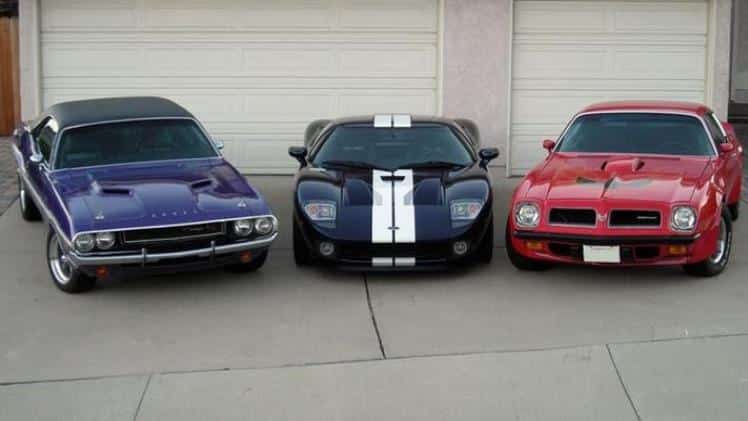

Vintage vehicle investment has long been a passion for enthusiasts and investors alike. The allure of classic cars goes beyond mere transportation; it’s about owning a piece of history, appreciating timeless design, and potentially seeing a solid return on investment. However, diving into the world of classic car collecting requires knowledge, strategy, and a love for automobiles. In this guide, we’ll explore the essential steps to start your journey into the realm of vintage vehicle investment.
Understanding Vintage Vehicle Investment
Before delving into the specifics of collecting classic cars, it’s crucial to understand the fundamentals of vintage vehicle investment. Unlike traditional financial assets, classic cars are tangible assets that can appreciate over time. However, their value can be influenced by various factors such as rarity, condition, historical significance, and market trends. While some classic cars can fetch exorbitant prices at auctions, others may require patience before witnessing substantial appreciation.
Research and Education
The first step in building a vintage vehicle investment portfolio is to conduct thorough research and educate yourself about classic cars. Familiarize yourself with different makes, models, and eras. Explore classic car magazines, books, and online forums, and attend vintage car shows and auctions. Understanding the market trends, historical significance, and potential value drivers of classic cars will empower you to make informed investment decisions.
Define Your Investment Goals
Just like any other investment, it’s essential to define your investment goals when venturing into vintage vehicle investment. Are you looking to build a collection for personal enjoyment, or do you aim to generate returns through buying and selling classic cars? Clarifying your objectives will guide your investment strategy and help you prioritize factors such as budget, storage, and maintenance.
Establish a Budget
Vintage vehicle investment can range from a hobbyist’s passion project to a high-stakes endeavor involving six or seven-figure acquisitions. Determine how much you’re willing to invest in your collection and establish a realistic budget. Remember to consider not only the purchase price of classic cars but also expenses such as restoration, maintenance, storage, insurance, and potential transaction costs.
Identify Your Niche
Classic cars come in various shapes, sizes, and eras, catering to diverse tastes and preferences. Identify your niche within the vintage vehicle market based on factors such as your personal interests, budget constraints, and market opportunities. Whether you’re drawn to muscle cars from the 1960s, elegant European sports cars, or American classics from the pre-war era, specializing in a particular niche can streamline your collection efforts and deepen your expertise.
Network with Experts
Building relationships with fellow collectors, enthusiasts, and industry experts can provide invaluable insights and opportunities in the world of vintage vehicle investment. Attend collector car events, join vintage car clubs, and engage with online communities to network with like-minded individuals. Experienced collectors and industry professionals can offer advice, share knowledge, and even provide access to exclusive opportunities such as private sales and auctions.
Due Diligence in Vehicle Selection
Thorough due diligence is paramount when acquiring classic cars for your collection. Inspect potential acquisitions meticulously, paying attention to factors such as authenticity, originality, provenance, and condition. Obtain comprehensive documentation, including service records, ownership history, and restoration receipts. If you lack the expertise, consider hiring a qualified mechanic or appraiser to assess the vehicle’s condition and value accurately.
Consider Investment Potential
While personal preference often drives classic car collecting, it’s essential to consider the investment potential of each acquisition. Research historical price trends, market demand, and projections for specific makes and models. Factors such as limited production numbers, celebrity ownership, racing pedigree, and cultural significance can significantly impact a classic car’s investment appeal. Balance your collection between cars that resonate with you personally and those with strong investment potential.
Develop a Preservation and Maintenance Plan
Preserving the authenticity and integrity of classic cars is crucial for maintaining their value over time. Develop a comprehensive preservation and maintenance plan to ensure your vehicles remain in top condition. Regular servicing, proper storage in a controlled environment, and adherence to the best restoration and repair practices are essential to preserving vintage vehicles. Additionally, consider investing in specialized insurance coverage tailored to classic cars to protect your investment from unforeseen risks.
Monitor Market Trends
Vintage vehicle investment is subject to market fluctuations influenced by factors such as economic conditions, collector preferences, and cultural trends. Stay informed about market dynamics and monitor trends in classic car valuations. While certain segments of the vintage car market may experience rapid appreciation, others may plateau or decline. Continuously reassess your collection strategy based on market insights and adjust your portfolio accordingly.
Conclusion
Vintage vehicle investment offers a unique blend of passion, nostalgia, and financial opportunity for collectors and investors alike. By following the steps outlined in this guide, you can embark on a rewarding journey into the world of classic car collecting with confidence and expertise. Remember to conduct thorough research, define your investment goals, establish a budget, and prioritize preservation and maintenance to build a successful vintage vehicle investment portfolio. Whether you’re drawn to the sleek lines of a classic sports car or the raw power of a muscle car, there’s a timeless beauty waiting to be discovered on the roads of automotive history.