

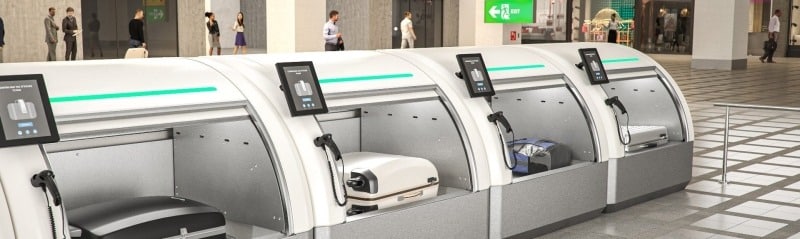
The evolution of transportation hubs, including airports, train stations, and bus terminals, has been significantly influenced by the need for enhanced security. As global travel increases, so does the complexity of threats facing transportation systems. The baggage scanner is a pivotal component in maintaining safety, and innovations in this technology promise to revolutionize security protocols in these critical environments.
Emerging Technologies in Baggage Screening
Recent advancements in technology are reshaping how we approach baggage screening. Traditional X-ray scanners have been enhanced by the introduction of artificial intelligence (AI) and machine learning algorithms. These systems can analyze images more effectively, identifying potential threats that human operators might overlook. With the ability to learn from each scan, these AI-driven systems improve over time, adapting to recognize a wider array of prohibited items and substances.
Moreover, the integration of 3D imaging technology allows for a more thorough examination of the contents within bags without the need to open them. This not only speeds up the screening process but also reduces passenger inconvenience and the likelihood of delays. Enhanced imaging systems can provide security personnel with a comprehensive view of the bag’s contents, allowing for more precise assessments of potential threats.
Biometric Integration for Streamlined Processes
To further enhance security and streamline passenger flow, many transportation hubs are considering integrating biometric systems with baggage scanning technologies. Facial recognition and fingerprint scanning can be employed to verify identities and match passengers to their baggage. This dual approach increases accountability and makes it more difficult for unauthorized individuals to access someone else’s luggage.
The combination of biometric data with baggage scanning can also facilitate a more seamless travel experience. Imagine arriving at the airport, checking your luggage, and passing through security without the lengthy waits that often accompany traditional screening processes. This integration not only improves security but also enhances passenger satisfaction by making travel more efficient.
Adapting to New Threats
As threats evolve, so too must the technologies designed to counter them. Cybersecurity is becoming a significant focus area for transportation hubs, with baggage scanners and associated systems increasingly vulnerable to cyberattacks. The future of baggage scanning must include robust cybersecurity measures to ensure that sensitive data and systems are protected from malicious actors.
Additionally, the emergence of new materials and methods for concealing dangerous items requires continuous innovation in detection technologies. Advanced algorithms that can identify anomalies in scanned images are essential for adapting to these evolving threats. Research into new materials, such as terahertz radiation, is being conducted to enhance detection capabilities, allowing security personnel to identify even the most cleverly disguised threats.
Automating Security Checks
Automation is set to play a significant role in the future of baggage screening in transportation hubs. Automated baggage handling systems can reduce human error and increase efficiency. With the implementation of automated baggage scanners, the potential for faster processing times becomes a reality. Passengers would benefit from reduced waiting times as automated systems quickly assess and sort luggage.
Moreover, the use of robotics in security checks can alleviate the burden on personnel. Robots equipped with advanced scanning technologies can perform initial assessments, flagging potentially problematic bags for further inspection by human operators. This division of labor not only enhances security but also allows personnel to focus on more complex tasks that require human judgment.
Sustainability and Eco-Friendly Solutions
As transportation hubs evolve, there is an increasing push toward sustainability and eco-friendliness. Future baggage scanner technologies must align with these goals. Innovations in energy-efficient systems and reduced waste during the manufacturing and operational phases are crucial in minimizing the environmental impact of security processes.
Additionally, incorporating sustainable materials into the design of baggage scanners can contribute to greener operational practices. Transportation hubs are exploring solar-powered systems and other renewable energy sources to power their security infrastructure. This shift not only contributes to environmental goals but also presents an opportunity for cost savings in the long run.
Enhancing Passenger Experience
While security is paramount, the future of baggage scanners must also prioritize the passenger experience. As technology advances, there will be a delicate balance to strike between rigorous security measures and maintaining a pleasant travel experience. The implementation of user-friendly interfaces and informative signage can help passengers understand the security process better, reducing anxiety associated with screening.
Furthermore, engaging travelers with real-time updates about wait times and processing speeds can significantly enhance the overall experience. By leveraging technology to provide better communication, transportation hubs can create a more transparent security environment where passengers feel informed and secure.
Collaborative Security Efforts
The future of baggage scanning in transportation hubs will likely involve greater collaboration among various stakeholders. Governments, transportation authorities, and private technology firms must work together to develop and implement effective security measures. Sharing data and best practices can lead to an overall enhancement of security protocols across different transportation systems.
Collaboration extends beyond technology as well. Engaging with passengers to gather feedback on their experiences can provide valuable insights for improving security processes. Understanding travelers’ concerns and suggestions is essential for creating a security framework that is both effective and user-friendly.
The Future is Bright
As technology continues to advance, the future of baggage scanners in transportation hubs is poised for significant transformation. With a focus on automation, enhanced imaging, biometric integration, and sustainability, future security measures will not only protect passengers but also enhance their overall travel experience. By embracing innovation and collaboration, transportation hubs can revolutionize security protocols, ensuring that they remain safe and efficient in an ever-evolving landscape.