

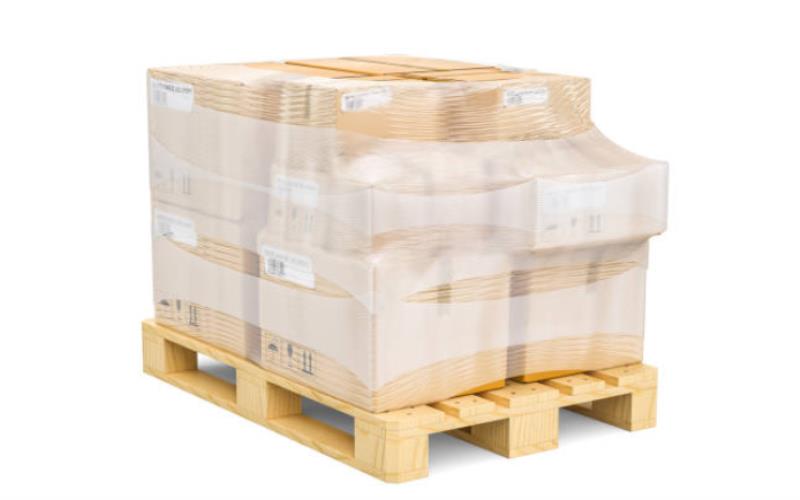

Stretch film is an essential packaging material used across various industries for securing goods during storage and transportation. Its flexibility, durability, and cost-effectiveness make it a preferred choice for businesses looking to protect products from damage, contamination, and theft. This article explores the properties, applications, benefits, types, and environmental considerations of stretch film, offering a comprehensive understanding of its role in modern logistics and packaging.
What is Stretch Film?
Stretch film is a highly stretchable plastic film, commonly made from linear low-density polyethylene (LLDPE). It is designed to wrap tightly around products, creating a secure and stable unit load. The film’s elasticity allows it to conform to various shapes and sizes while providing excellent resistance to punctures and tears. Stretch film is widely used in industrial, commercial, and even household applications to safeguard goods from dust, moisture, and external damage.
Importance of Stretch Film in Packaging
Packaging plays a crucial role in ensuring product safety and efficient transportation. Stretch film provides several key advantages:
- Load Stability: It keeps pallets and individual products securely bound, preventing shifting during transit.
- Protection from Contaminants: It acts as a barrier against dust, dirt, and moisture, ensuring products remain in pristine condition.
- Cost-Efficiency: Compared to other packaging methods, stretch film is a more affordable solution that minimises material waste.
- Tamper Evidence: Properly wrapped goods show clear signs of tampering, enhancing security.
- Improved Handling: Wrapped pallets are easier to handle and transport, reducing the risk of workplace injuries.
Types of Stretch Film
Various types of stretch film are designed to meet different packaging requirements. The most common types include:
- Hand Stretch Film: Applied manually, this type is ideal for small-scale operations and low-volume packaging needs.
- Machine Stretch Film: Used with stretch wrapping machines, this film ensures consistent application, improving efficiency in large-scale packaging operations.
- Blown Stretch Film: Manufactured through a blown extrusion process, it offers high puncture resistance and superior cling properties.
- Cast Stretch Film: Made using a cast extrusion process, this film is clear, smooth, and easier to stretch with uniform thickness.
- Pre-Stretched Film: Designed for easy application, it requires less force to wrap pallets effectively, reducing worker fatigue.
- Coloured and UV Stretch Film: Available in different colours and UV-resistant variations, these films provide additional security and protection from sunlight.
Key Considerations When Choosing Stretch Film
To ensure optimal performance, businesses should consider several factors when selecting the right stretch film:
- Film Thickness (Gauge): Thicker films offer greater strength and puncture resistance, while thinner films reduce material costs.
- Stretchability: High-stretch films provide better coverage and stability while using less material.
- Clarity: Clear films allow for easy identification of products, while opaque films offer added security.
- Application Method: Manual or machine application influences the type of film required.
- Environmental Conditions: UV-resistant films are recommended for outdoor storage to prevent degradation from sunlight.
Best Practices for Using Stretch Film
Proper application of stretch film ensures maximum efficiency and protection. Here are some best practices to follow:
- Ensure Proper Wrapping Technique: Start wrapping from the base and work upward to create a stable load.
- Use the Right Tension: Applying too little or too much tension can compromise load stability.
- Layering Matters: Multiple layers enhance strength and puncture resistance.
- Secure the End: Properly sealing the film prevents it from unwrapping during transit.
- Store Film Properly: Keep stretch film in a cool, dry place away from direct sunlight to maintain its integrity.
Innovations and Challenges in Stretch Film
While stretch film has transformed packaging efficiency, there are challenges associated with its use, primarily related to sustainability. However, technological advancements are addressing these concerns:
- Recyclable Stretch Film: Manufacturers are developing films that can be easily recycled, reducing plastic waste.
- Biodegradable Stretch Film: Some companies are introducing eco-friendly alternatives that decompose over time.
- High-Performance Films: New formulations provide enhanced stretchability and durability, minimising material usage.
- Automated Wrapping Systems: Advanced machinery improves application consistency, reducing excess film use.
Environmental Considerations
With the growing focus on sustainability, businesses must adopt responsible disposal and recycling practices for stretch film. Some recommended approaches include:
- Recycling Programs: Many companies now offer collection and recycling services for used stretch film.
- Use of Sustainable Alternatives: Biodegradable and recycled-content films help reduce environmental impact.
- Efficient Wrapping Techniques: Reducing unnecessary film layers lowers plastic consumption and waste.
- Proper Disposal Methods: Avoiding landfill disposal and opting for recycling facilities supports eco-friendly packaging initiatives.

Conclusion
Stretch film is an indispensable packaging solution, providing cost-effective and reliable protection for goods across industries. Its ability to stabilise loads, prevent damage, and enhance security makes it a vital component of modern logistics and supply chain management. As businesses continue to seek sustainable alternatives, innovations in stretch film technology will play a crucial role in minimising environmental impact while maintaining efficiency and effectiveness.