

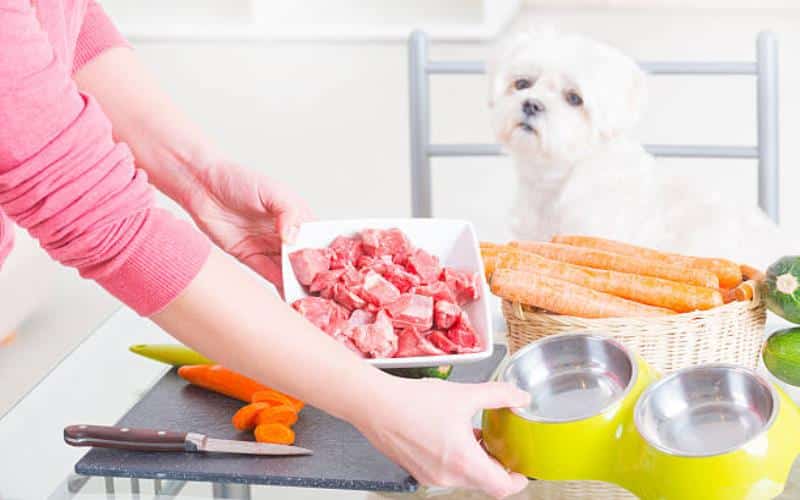

Dogs deserve meals that are both nutritious and exciting. Yet, many pet owners stick to the same kibble routine every day. Imagine eating the same meal for breakfast, lunch, and dinner—boring, right? Just like us, dogs appreciate variety, and a little creativity in their bowls can make a huge difference.
Fresh Ingredients Make a Big Impact
One of the easiest ways to enhance your dog’s meals is by adding fresh, whole ingredients. Lean meats, cooked eggs, and lightly steamed vegetables can provide extra nutrients and flavor. Even small changes, like mixing in plain yogurt or a bit of pumpkin, can support digestion and keep things interesting.
Of course, not all human foods are safe for dogs. Grapes, onions, chocolate, and anything with xylitol should always be avoided. When in doubt, check before sharing.
Hydration Matters More Than You Think
Dry kibble lacks moisture, which can leave your dog slightly dehydrated, especially if they don’t drink enough water. A simple fix? Add a splash of bone broth or warm water to soften the food and boost hydration. This trick works particularly well for older dogs or those with dental issues.
Another option is wet food. Mixing a little canned food into dry kibble changes both the texture and taste, making mealtime more appealing.
Healthy Fats for a Shiny Coat
Omega-3 and omega-6 fatty acids are great for skin and coat health. A drizzle of fish oil, flaxseed oil, or even a few pieces of cooked salmon can provide these essential nutrients. The result? Less itching, reduced shedding, and a shinier coat.
Smart Toppings for Picky Eaters
If your dog turns up their nose at mealtime, a little encouragement might be needed. That’s where the best options for dog meal toppers come in handy. These simple add-ons can provide extra nutrition while making meals more enticing. Whether it’s freeze-dried meat, probiotic powders, or crushed-up treats, a small sprinkle can work wonders.
Just be sure to read ingredient lists carefully. Some commercial toppers contain unnecessary fillers or artificial additives that aren’t ideal for your pup’s health.
Rotate Proteins for Balanced Nutrition
Feeding the same protein source every day may lead to nutrient imbalances. Rotating between chicken, beef, turkey, and fish can help prevent this issue. Plus, different proteins bring different amino acids, which contribute to overall health.
If your dog has food sensitivities, switching proteins carefully and introducing new ones gradually can prevent stomach upset. Keeping a food journal can help track any reactions.
Fun and Engaging Mealtimes
Some dogs gulp their food in seconds, while others seem bored with their bowl. Making mealtime interactive can fix both issues. Slow feeder bowls, puzzle toys, or scatter-feeding on a mat can turn eating into a fun activity.
Another approach? Hand-feeding small portions during training sessions. This method strengthens your bond while reinforcing good behavior.
Keep Treats in Check
It’s easy to go overboard with treats, especially when those puppy eyes beg for more. Treats should make up no more than 10% of a dog’s daily calories. Instead of store-bought options filled with preservatives, try natural alternatives like apple slices, blueberries, or small chunks of cooked chicken.
For a special occasion, frozen yogurt cubes or homemade peanut butter biscuits can be a hit. Just keep portion sizes reasonable.
A Little Change Goes a Long Way
Small tweaks to your dog’s meals can have a lasting impact on their health and happiness. Whether it’s adding fresh ingredients, rotating proteins, or using healthy homemade pet food ideas, variety keeps things exciting. Every dog is different, so experimenting with what works best for your pup can make mealtime more enjoyable for both of you.