

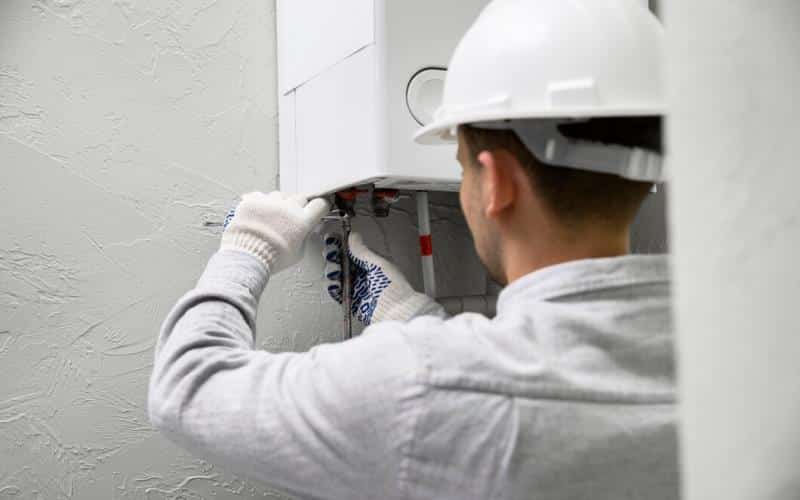

Water heating systems are such a crucial part of everyday comfort and business, having hot water ready for anything from cooking to cleaning and baths. As with all electrical appliances, however, these do not last forever. A system replacement may be overdue when there is wear and tear that manifests as malfunctioning in any given system. You are only saving yourself an unnecessarily expensive repair and even inconveniences by finding out what the warning signs might be as early as now. Here are five signs that show your hot water system needs replacement:
Inconsistent or Lack of Hot Water
If your hot water supply is no longer consistent, or if it takes a really long time to heat up, that could be your system failing. Inconsistent temperatures, or a complete lack of hot water, may be because of a malfunctioning thermostat, damaged heating elements, or sediment buildup inside the tank. While some of these issues can be repaired, they may be indicative of a greater underlying problem. It will be time to replace your entire system when the repairs become more frequent or if the issues never seem to resolve. With a new and efficient unit, you are always guaranteed to get your supply of hot water anytime you need it.
Persistent Leaks and Water Damage
Another surefire sign that your system needs replacement is persistent leaking. Some minor leaks can be fixed by a repair, but generally, frequent leaks mean something has gone wrong with the deterioration of the tank. Over time, corrosion can crack or puncture the container, leading to leakage of water that can result in considerable damage. If the leaking happens frequently or there is rust showing on the tank, then that’s the time to consider an upgrade. Water damage from leaking can be expensive; this is not only regarding a new water heater but also repair costs for your flooring or other structures damaged by the leak.
Outdated Systems
Old water heating systems sometimes incur a little wear and tear but besides that, most of them either lack the features or efficiency that can only be produced with the state-of-the-art technology. Older systems may not even be the latest run on the energy-saving technologies or might have failed to catch up with the newer energy sources such as a solar-powered electrical supply. Hire professionals to install modern hot water systems that are energy efficient, more eco-friendly, and less expensive. Replacement with a new version is highly advisable if you still have an old model and are thinking of downsizing your carbon footprint while saving on your money. Install state-of-the-art solutions to enjoy a quality difference in performance, maintenance, and the standards of energy today.
Unusual Noises Coming from the System
If your water heating system starts making sounds like popping, rumbling, or hissing, that could be a symptom of sediment building up inside the tank. Over time, minerals and other elements in the water can begin to gather at the bottom of the tank and force the heating elements to work harder to heat up the water. This will result in lesser efficiency, increased use of energy, and a possible failure of the system. While minor noises may at times be fixed by just a flush, the noises that are continued or loud actually signal that the life of the tank has come to an end. Replacing the system will resolve these issues and restore quiet, efficient operation.
Rising Energy Bills
Over the years, the inefficiency of an ageing hot water system significantly adds up to your energy bills. They consume a lot of energy in heating water, hence making a big difference in your utility bills. Utility bills spiking up all of a sudden, without explanation, might be because of your water heating system struggling to give out its best. Replace the old unit with a modern and energy-efficient model for reduced utility costs over a long period. With so many options available, look for systems with high energy ratings to get the most bang for your buck.
The replacement of your water heating system at the right time can save you a lot of trouble, especially the trouble of an unexpected breakdown. Replacing the system with a modern alternative would increase the efficiency and reliability of the hot water supply and decrease long-term energy costs. If you are unsure whether you need to replace your system, consult a professional who can assess its current condition and guide you in making the best decision.