

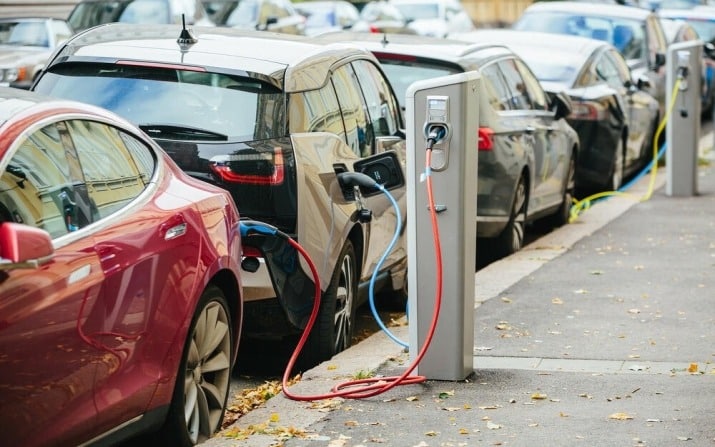

Electric vehicles, or in short, EVs, are becoming pretty popular because of their environmental benefits and cost savings. Many individuals are now considering importing EVs into Canada. Whether relocating or looking for a specific model unavailable locally, understanding the shipping process is crucial. Proper preparation and knowledge can ensure a smooth transition for your vehicle.
Here are some vital considerations and steps involved in car shipping US to Canada. It will cover import regulations, transporting methods, costs, vehicle preparation, customs and duties, environmental compliance, and registration. By following such guidelines, you can successfully navigate the process of importing an EV to Canada and enjoy its benefits seamlessly.
Import Regulations
Transport Canada governs vehicle imports, and strict compliance with their guidelines is necessary. Electric vehicles must meet Canadian safety standards, including modifications for any discrepancies between Canadian and international standards.
Also, ensure the EV is eligible for importation. Not all vehicles are admissible, so verifying the list of approved models is a critical first step. Additionally, acquiring the necessary documentation, such as the original title, bill of sale, along with proof of compliance with emission standards, is mandatory.
Choosing the Right Shipping Method
Selecting the appropriate auto transport method for your electric vehicle is a significant aspect of the shipping process. There are two fundamental options: open transport and enclosed transport. Open transport involves loading the car onto an open carrier, making it a cost-effective solution. Enclosed transport, on the other hand, offers better protection as the automobile is transported in a fully enclosed trailer.
When deciding between open and enclosed transport, always consider the value and condition of your electric vehicle, as well as your budget and specific needs. Both methods are widely used and reliable, but enclosed transport provides added peace of mind for those who prioritize maximum protection for their vehicle.
Shipping Costs and Budget Considerations
Budgeting for car shipping from the US to Canada requires careful planning. Costs can vary based on the transportation method, distance, and additional services like insurance and customs brokerage. It’s advisable to get different quotes from reputable transportation companies to compare prices and services. Remember, the cheapest option is not always the best; consider the company’s reliability and track record.
Preparing the Vehicle for Transportation
Properly preparing the electric vehicle for shipping is crucial to avoid damage and ensure smooth customs clearance. Start by cleaning the car thoroughly and documenting its condition with photographs. This step provides a reference in case of any damage during transit. Remove personal items from the vehicle and ensure the battery is charged to about 25-50%. A fully charged or wholly depleted battery can pose risks during transport.
Registration and Licensing
Once the electric vehicle clears customs, the next step is registration and licensing. This process involves several steps, including passing a safety inspection and obtaining insurance. Each province may have specific requirements, so researching local regulations is essential. Completing these steps allows you to drive your EV in Canada and enjoy its benefits legally.
Choosing a Reliable Shipping Partner
Partnering with a reliable shipping company can significantly impact your experience. Look for companies specializing in vehicle transportation with positive customer reviews. Experienced shippers understand the intricacies of transporting electric vehicles and can provide valuable guidance throughout the process.
Shipping an electric vehicle to Canada involves several critical steps and considerations. By following the above tips, you can successfully import your EV. With careful planning and a reliable transportation partner, your electric vehicle can seamlessly transition to its new home in Canada, ready to offer you a cleaner and more efficient driving experience.