


In modern orthodontics, 3D digital scanning has emerged as a transformative tool, revolutionising the way treatments are planned and executed. This orthodontic technology not only enhances the accuracy and efficiency of orthodontic procedures but also makes them more comfortable for you.
Let’s explore how 3D digital scanning in orthodontics at SmileTeam is reshaping the landscape of modern orthodontics.
What Is 3D Digital Scanning?
3D digital scanning in orthodontics is a technology that creates a highly accurate, three-dimensional virtual model of your teeth and gums. Unlike traditional impressions, which involve biting down on trays filled with putty, this intraoral scanning uses advanced techniques to capture digital impressions without the discomfort and mess associated with conventional methods.
How Does It Work?
A 3D digital scanner works by using lasers or structured light to capture the precise topography of your teeth and gums. This process is similar to taking a digital photograph of the inside of your mouth, but instead of a two-dimensional image, it produces a detailed, three-dimensional model.
The scanner, typically a handheld device, is moved around your mouth to collect data, which is then instantly displayed on a screen. This technology allows for real-time analysis and manipulation of the digital model, enabling your orthodontist to plan treatments with greater precision and speed compared to traditional methods.
Benefits of 3D Digital Scanning in Orthodontics
The integration of 3D digital scanning in orthodontics offers numerous benefits that enhance your treatment experience, making it more efficient, accurate, and comfortable.
- Enhanced Precision and Accuracy:
3D digital scanning captures detailed images of your teeth and gums, often revealing nuances that traditional impressions might miss. The accuracy of digital scans allows for better appliance fit, which is crucial for the success of orthodontic treatments, like aligners, braces, and retainers.
- Improved Treatment Planning:
Orthodontists use the 3D model to simulate treatment options virtually, enabling them to visualise tooth movement and predict outcomes more accurately. Specialised software analyses scan data, facilitating a collaborative approach to treatment planning.
- Streamlined Workflow:
The digital workflow eliminates the need to ship physical impressions to a lab, significantly reducing turnaround times for appliances. Digital records are easily stored and accessed, integrating seamlessly with other digital technologies like 3D printing and CAD/CAM systems.
- Increased Patient Comfort:
3D digital scanning eliminates the discomfort associated with traditional putty impressions, providing a quick and non-invasive scanning process. This significant improvement in patient comfort makes orthodontic visits more pleasant, especially for those with gag reflex or anxiety about dental procedures.
- Reduced Radiation Exposure:
In some cases, 3D digital scans can reduce the need for certain types of X-rays, contributing to a decrease in overall radiation exposure. This is a positive step toward safer diagnostic practices.
- Enhanced Communication:
The 3D model can be easily, enabling a better understanding of the patient’s treatment plan. This visual tool helps demonstrate potential outcomes, making consultations and progress updates more effective.
Why Do I Need a 3D Digital Scan?
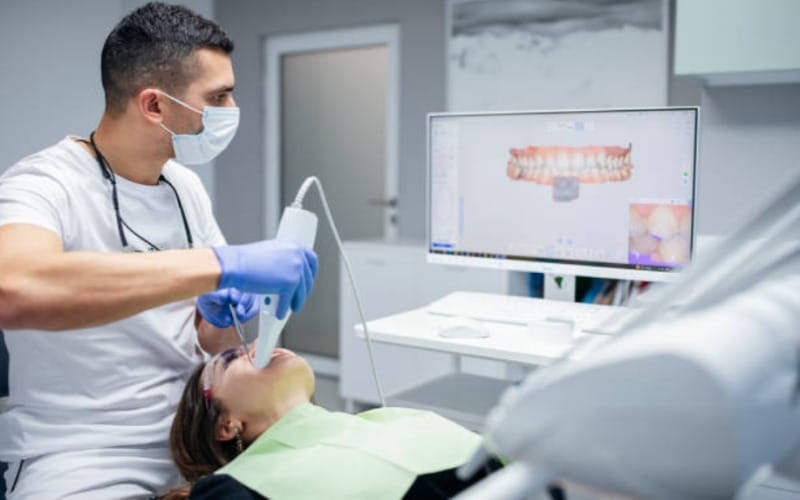
In modern orthodontics, 3D digital scans play a crucial role in various procedures, offering compelling reasons why you might need one.
Diagnosis and Treatment Planning
A 3D digital scan helps your orthodontist accurately assess your bite, tooth alignment, and jaw structure. This detailed assessment contributes to a personalised and effective treatment plan, ensuring that your treatment is tailored to your unique needs.
Clear Aligner Therapy
Accurate 3D scans are essential for creating well-fitting and effective aligners. They ensure predictable tooth movement and minimise the need for refinements, as the aligners are designed to fit your teeth perfectly.
Braces Placement
3D scanning aids in precise bracket placement for optimal tooth movement. It also enables the use of indirect bonding techniques, where bracket positions are digitally planned and then applied to your teeth.
Monitoring Progress
3D scans can track tooth movement over time at different stages of treatment, allowing your orthodontist to ensure that your progress is on track and that any deviations can be addressed promptly.
Surgical Planning
If your case involves surgery, a 3D scan helps surgeons plan the procedure with precision. The scan is used to create 3D models that serve as surgical guides, ensuring that every aspect of the surgery is planned carefully and executed meticulously.
Retention
A 3D scan ensures that your retainer fits perfectly, maintaining your newly aligned smile after treatment. If you ever need a replacement retainer, the digital model makes it easy to create one without the need for new impressions, providing a convenient and efficient solution for long-term oral health maintenance.
Frequently Asked Questions About 3D Digital Scanning in Orthodontics
Is 3D digital scanning safe?
Yes, 3D digital scanning is safe. It typically uses lasers or structured light to capture images, making it completely radiation-free.
Is 3D digital scanning more accurate than traditional impressions?
Yes, 3D digital scanning is generally more accurate than traditional impressions. It captures detailed images of your teeth and gums, often revealing nuances that traditional methods might miss.
How long does a 3D scan take?
A 3D scan is quick and usually takes less than five minutes to complete. The process involves moving a handheld scanner around your mouth to capture thousands of images, which are then instantly displayed on a screen.
Is 3D digital scanning comfortable?
Yes, 3D digital scanning is very comfortable. It eliminates the messy impression materials, allowing you to breathe and swallow naturally during the process.
The Bottom Line
3D digital scanning is revolutionising orthodontic care by making treatments more efficient, accurate, and comfortable. This technology represents the future of orthodontics, leading to more effective and personalised treatment outcomes. By leveraging 3D digital scanning, you can experience a streamlined and enhanced orthodontic journey, from diagnosis to retention.
If you’re interested in learning more about how 3D digital scanning can benefit your orthodontic treatment, consider asking your orthodontist about this technology. They can provide insights into how it might enhance your treatment experience and help you achieve the smile you desire. By embracing this cutting-edge technology, you’re taking a step toward a more modern and effective approach to orthodontic care.