


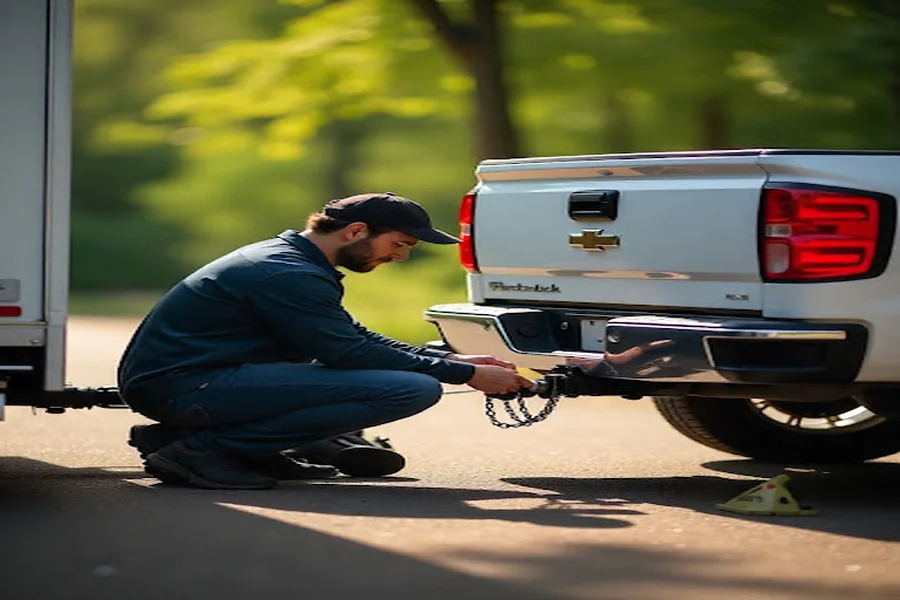
Hooking up a trailer can feel a bit overwhelming at first, but it’s easier than you might think. Whether you’re hauling a small camper, boat, or utility trailer, getting the connection right is the first step to a safer, smoother ride. With a few easy steps and a little practice, even first-timers can feel confident and in control.
The truth is, most issues on the road begin before the trip even starts. Beginner Hitching Guide, unbalanced loads, or skipped safety steps can turn a simple trip into a stressful or even dangerous situation. That’s why learning the fundamentals of proper trailer hookup matters more than you might think.
Start with the Right Gear
Before beginning the process, ensure you have the necessary tools and equipment. This includes a compatible ball mount, a functioning hitch receiver, safety chains, and a trailer with working lights and brakes. Make sure the hitch ball is the correct size for your trailer’s coupler before getting on the road. A mismatch here is one of the most common beginner mistakes.
Every vehicle has a maximum weight it can handle. Always check the weight your vehicle can safely tow and ensure you stay within that limit. Refer to the owner’s manual or manufacturer specifications to stay within safe limits.
Positioning Is Everything
Backing up to a trailer is a skill that becomes easier with practice over time. Start by aligning your vehicle straight in front of the trailer and go slowly. Use mirrors, or even better, have someone help guide you. If you’re alone, step out to check your alignment regularly.
Once you’re close, lower the trailer coupler directly onto the hitch ball. Make sure the coupler locks securely into place and test it by gently raising the jack. The trailer should lift the rear of the tow vehicle slightly; this confirms a good connection.
Lock It Down
With the coupler secured, engage the latch mechanism and insert a safety pin or coupler lock. This helps keep everything securely in place while you’re on the move. Now attach the safety chains in a crisscross pattern underneath the tongue. If the hitch gives out, the safety chains step in, keeping the trailer from dropping to the ground and allowing you to stay in control.
Connect the trailer’s electrical plug to your vehicle, then check that everything works—brake lights, turn signals, and running lights. You don’t want surprises when merging or turning.
Check, Then Double-Check
It’s always worth doing a full walk-around before you hit the road. Verify that the trailer jack is raised and locked, the load is evenly distributed, and the tire pressures are correct. Tug gently on the trailer to ensure the connection is secure.
These basic steps are part of any solid beginner hitching guide. Skipping them can cost you in safety, time, or even repairs.
Stay Balanced on the Road
Once hitched, a smooth towing experience depends on balanced weight. To keep swaying in check, aim to have about 10–15% of the trailer’s total weight supported by the hitch. If you feel unstable or the trailer sways, pull over and inspect your setup.
Trailer hitching tips often focus on weight distribution because it directly impacts handling. Keep heavier items over the axle and secure, with lighter gear positioned toward the front and rear. This helps avoid fishtailing, especially at highway speeds.
Practice Makes Confident
Don’t wait until your vacation or moving day to hitch for the first time. Practice in a parking lot or open space where you can learn without pressure. Try hitching and unhitching multiple times, reversing with the trailer, and testing your brake control.
Ask questions, watch experienced drivers, or consult online videos. The towing community is full of helpful people who remember what it was like to be new.
Invest in the Right Tools
Brands like Andersen Hitches offer reliable gear designed to make the hitching process easier for everyone, especially beginners. From adjustable ball mounts to trailer sway control kits, their products give you both peace of mind and ease of use.
Well-designed gear can help you feel more prepared and less overwhelmed, especially when you’re just starting.
Final Thought: Simplicity Is Strength
There’s no shame in being new. Everyone starts somewhere. What matters is building good habits, checking your equipment, and learning how to prioritize safety.
Whether you’re heading to a campground, hauling tools to a job site, or just helping a friend move, these trailer hitching tips are meant to keep things simple, safe, and stress-free.
With the help of this beginner hitching guide, you’ll be on the road with confidence in no time.