

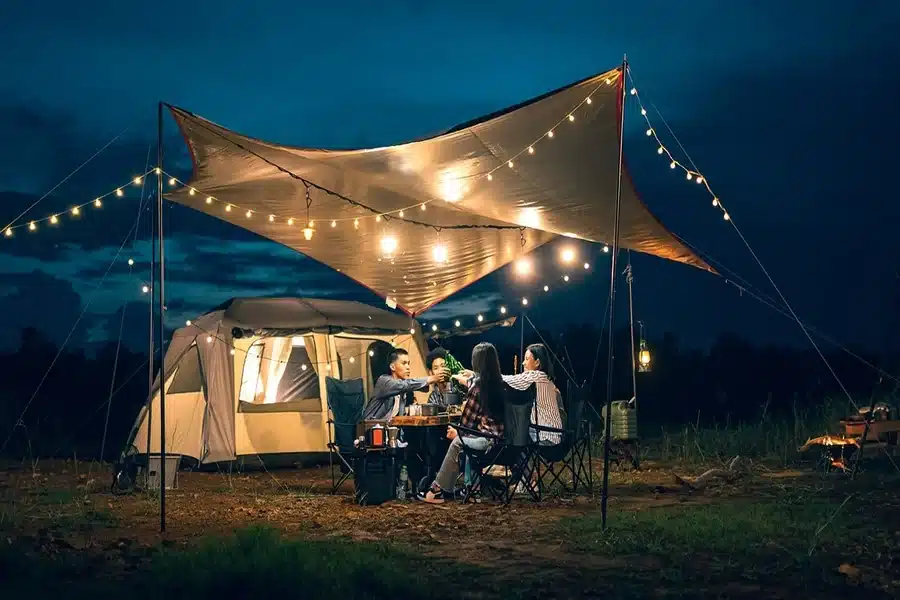

Camping has come a long way from rough nights in cramped nylon shelters. As more people trade weekend getaways for longer outdoor stays, there’s been a noticeable shift toward bigger, more livable tents. Whether it’s for an extended road trip, seasonal work in remote areas, or simply enjoying nature for a few weeks at a time, long-term camping demands a different kind of shelter – one that can hold up over time while feeling more like home.
This is where house tents come in. These large, cabin-like structures mimic the feel of traditional homes while offering the portability of a tent. But are they really worth the investment? And how do they compare to other options for long-term outdoor living?
Let’s dive into the advantages and considerations of house-style tents and explore whether they’re the right fit for your next extended camping adventure.
What Are House-Style Tents?
House tents are spacious, often rectangular or square tents with high ceilings and nearly vertical walls. Unlike typical dome or tunnel tents, which prioritize compactness, these tents prioritize comfort and livability. They often include multiple rooms or dividers, large windows, and straight-wall construction that allows users to move around freely, even stand upright.
Some designs even feature porches, vestibules, and stove compatibility, making them ideal for all-season use. In short, house tents aim to bring a homelike experience into the outdoors.
Benefits of House Tents for Long-Term Camping
If you’re planning to stay in one place for more than just a few nights, space, comfort, and durability become top priorities. House-style tents address each of these needs in ways that smaller or more minimalist shelters simply can’t.
Space to Spread Out
One of the most immediate benefits of a house tent is the sheer amount of usable space. Vertical walls mean there’s little wasted room along the sides, so you can set up full-sized beds, chairs, tables, and storage without feeling cramped. This is especially important for families, digital nomads, or campers with lots of gear.
Having separate spaces for sleeping, lounging, and cooking makes a huge difference when you’re spending days or weeks in the same spot.
Home-Like Comfort
When you’re camping long-term, comfort is more than a luxury, it’s a necessity. House tents support amenities like real mattresses, area rugs, wood stoves, and even small furniture. With room for lighting, storage, and personal touches, it becomes easier to create a cozy and organized living space.
This is especially beneficial in colder seasons, when having a warm and enclosed area to retreat to can significantly improve your overall experience.
Ventilation and Light
Many house tents are designed with large mesh windows, roof vents, and optional skylights, allowing for excellent airflow and natural lighting. This is vital during summer months or in humid environments, where poor ventilation can lead to condensation buildup and discomfort.
At the same time, windows with privacy flaps or covers allow you to control light levels and maintain a sense of privacy, even when staying in busier campgrounds.
All-Weather Durability
Long-term stays often expose tents to more wear and tear, from strong winds and heavy rain to snow and UV exposure. Quality house tents are made with rugged canvas or polycotton materials, reinforced seams, and heavy-duty zippers, all of which increase resistance to the elements.
Many are also compatible with stove jacks, making them suitable for cold-weather camping. With proper setup and maintenance, house tents can hold up through seasonal changes better than standard tents.
Drawbacks to Consider
While house tents offer significant benefits, they’re not for everyone, especially if your camping style is focused on mobility, minimalism, or short trips.
Size and Weight
These tents are large, and that comes at the cost of portability. They’re heavier than backpacking or car camping tents, often requiring more time and effort to transport, set up, and break down. If you plan to move frequently or hike into remote sites, a house tent may not be practical.
For static campsites or basecamps where you’ll be staying put for weeks or months, however, the setup effort is well worth it.
Higher Price Point
Because of their size, materials, and features, house tents tend to be more expensive than standard models. While this may be a downside for casual campers, for those planning multiple extended trips or even using the tent as a seasonal dwelling, the cost is usually justifiable.
It’s a long-term investment in both comfort and durability.
Setup Time and Space Requirements
Due to their size and structure, house tents often require more than one person for setup, plus a fairly large, flat campsite. They’re not ideal for last-minute getaways or tight forest clearings. Before purchasing, it’s important to measure your typical campsite space and make sure the tent will fit.
Who Should Consider a House Tent?
House tents are best suited for:
- Families or groups who want space to move and sleep comfortably
- Long-stay campers who will be in one place for a week or more
- Hobbyists like hunters, photographers, or anglers need a reliable base
- Remote workers or digital nomads setting up temporary outdoor offices
- All-season adventurers camping in colder climates with stove support
If your camping goals include comfort, routine, and time in nature without constant packing and moving, a house tent can turn a campsite into a true home base.
Tips for Maximizing Your House Tent Setup
- Create zones inside the tent: designate areas for sleeping, storage, and living.
- Use rugs or foam tiles for flooring to insulate and make the space cozier.
- Invest in good lighting, like LED lanterns or string lights, for nighttime visibility.
- Maintain airflow with windows and vents, especially during cooking or damp conditions.
- Use furniture wisely — folding tables, chairs, and shelves make your tent feel organized without overcrowding it.
Final Thoughts: Are House Tents Worth It?
For campers who prioritize comfort, space, and long-term usability, house-style tents are absolutely worth considering. While they’re bulkier and pricier than traditional tents, they offer a unique blend of durability and home-like living that’s hard to beat for extended stays in the outdoors.
Whether you’re settling in for a season, camping with family, or turning the wild into your temporary office, these large tents give you the room and resilience to make it work beautifully.
To browse a variety of options for your next long-stay setup, visit Hot-tent and discover how your outdoor home can feel just as cozy as the one you left behind.