


Key Takeaways:
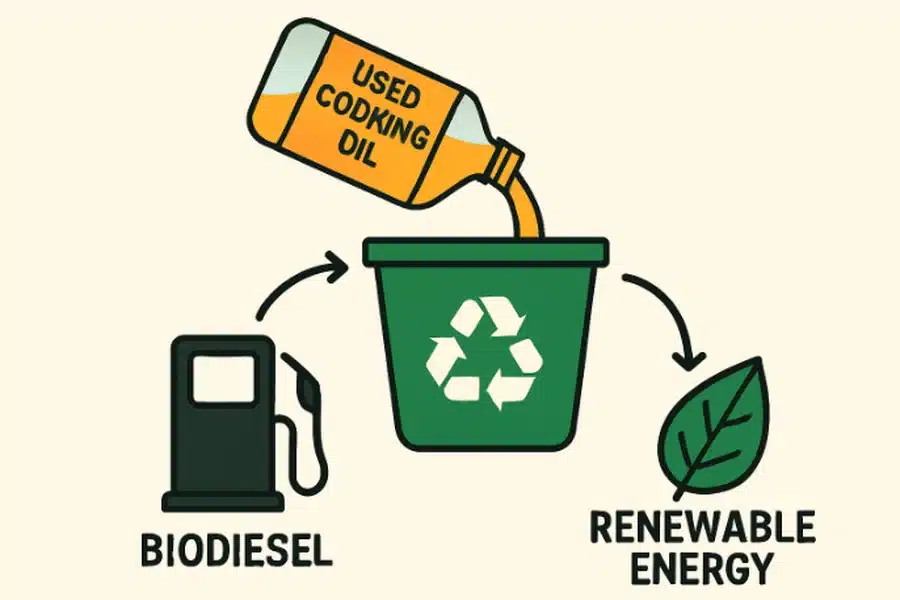
- Yellow grease, or used cooking oil, is a valuable resource for producing biodiesel and other sustainable products.
- Proper recycling of yellow grease reduces environmental pollution and supports renewable energy initiatives.
- Businesses and municipalities are increasingly adopting yellow grease recycling to promote sustainability.
What Is Yellow Grease?
Yellow grease refers to used cooking oil collected from restaurants, food processors, and commercial and household kitchens after food preparation. This type of grease is distinct from brown grease, which is recovered from grease traps and contains more impurities and debris, making yellow grease an ideal candidate for recycling. Its relatively clean composition of fats and oils means it can be processed into new products, supporting both environmental and economic goals.
Instead of allowing used cooking oil to enter the waste stream, many organizations now rely on used cooking oil disposal Services to ensure the oil is collected and recycled. This proactive approach keeps harmful fats and oils out of plumbing systems, prevents blockages, and lessens the environmental footprint of food production industries.
When left unchecked, used cooking oil can clog sewage infrastructure, increase municipal costs, and pollute local water sources. With responsible grease management, communities can transform what would be a waste product into a valuable resource.
Today, both large-scale food establishments and individuals in residential settings are encouraged to collect and recycle yellow grease. By participating in recycling programs, everyone from restaurant owners to home cooks can reduce food waste, avoid environmental harm, and participate in a growing circular economy.
Recycling yellow grease plays a crucial role in mitigating environmental pollution. Improper disposal of used cooking oil can result in sewer blockages, increased water treatment costs, and contamination of natural water bodies. When yellow grease is diverted from sewers and landfills, it prevents fatbergs and reduces greenhouse gas emissions associated with landfill waste. Furthermore, converting yellow grease into biodiesel supports the reduction of fossil fuel reliance and lowers carbon emissions.
Biodiesel is not only environmentally advantageous but also compatible with existing diesel engines, making adoption easier for fleets. The U.S. Department of Energy notes that biodiesel use reduces particulate matter, hydrocarbons, and carbon monoxide emissions, further improving air quality.
Economic Advantages for Businesses
The circular economy of yellow grease recycling provides financial benefits for businesses, especially in the foodservice sector. Restaurants and food producers can participate in buy-back programs for their used oil, turning what would otherwise be a waste-disposal cost into a revenue stream. In some cases, businesses also receive discounts on waste removal services when they manage grease responsibly. Additionally, proper grease management saves money by minimizing plumbing repairs caused by clogged pipes and reducing the risk of municipal fines for non-compliance with waste regulations.
Many companies partner with service providers who help extend the life of frying oil and offer efficient recycling solutions. This long-term cost savings and environmental stewardship improve each business‘s sustainability profile, which in turn is increasingly valued by environmentally conscious consumers.
Municipal Initiatives and Community Programs
Cities and counties across the United States are launching creative programs to divert cooking oil from the waste stream and educate their communities. In Lexington, Kentucky, the annual “Gobble Grease Toss” encourages residents to bring used cooking oil after the holidays for recycling into biofuel. These initiatives are growing in popularity and effectiveness, particularly as awareness of environmental harm from improper grease disposal increases. Community-based efforts not only keep city sewers functioning but also foster local innovation in renewable fuel research and production.
Best Practices for Collecting and Storing Yellow Grease
Efficient yellow grease recycling starts with safe collection and storage procedures. Restaurants and households should use clearly labeled, sealed containers to prevent contamination from water, food waste, or chemicals. Containers must be kept secure to deter pests and limit potential for theft, which has become a concern in some areas due to the value of used oil. Regular pickups by licensed recycling providers help maintain compliance with local regulations and ensure the seamless transformation of grease waste into renewable resources.
Training staff and community members on how to separate, store, and prepare yellow grease is a vital step in the recycling process. Those who participate contribute to local sustainability while supporting national initiatives to promote renewable fuels.
Challenges and Solutions in Yellow Grease Recycling
While yellow grease recycling offers clear benefits, several challenges persist. Theft of used grease is often an issue where recycling programs incentivize collection, and some businesses may lack access to reliable recycling partners. Additionally, contamination of grease with other wastes can reduce its value or render it unusable for biodiesel production. Solutions include lockable storage units, employee training programs, and public awareness campaigns.
Future Outlook and Innovations
As the world transitions toward sustainable energy and circular economies, yellow grease recycling is poised for further growth. Innovative conversion methods, greater collaboration among stakeholders, and new product uses continue to emerge. The expansion of public collection sites, improvements in biodiesel yield, and increased awareness among businesses and residents all bode well for the sector’s future. Ultimately, used cooking oil is shifting from being a disposal challenge to a cornerstone of renewable energy strategies.